Blog

2026 · Bread & culture · 10 articles / Newest firstClear filters

2026 / 11

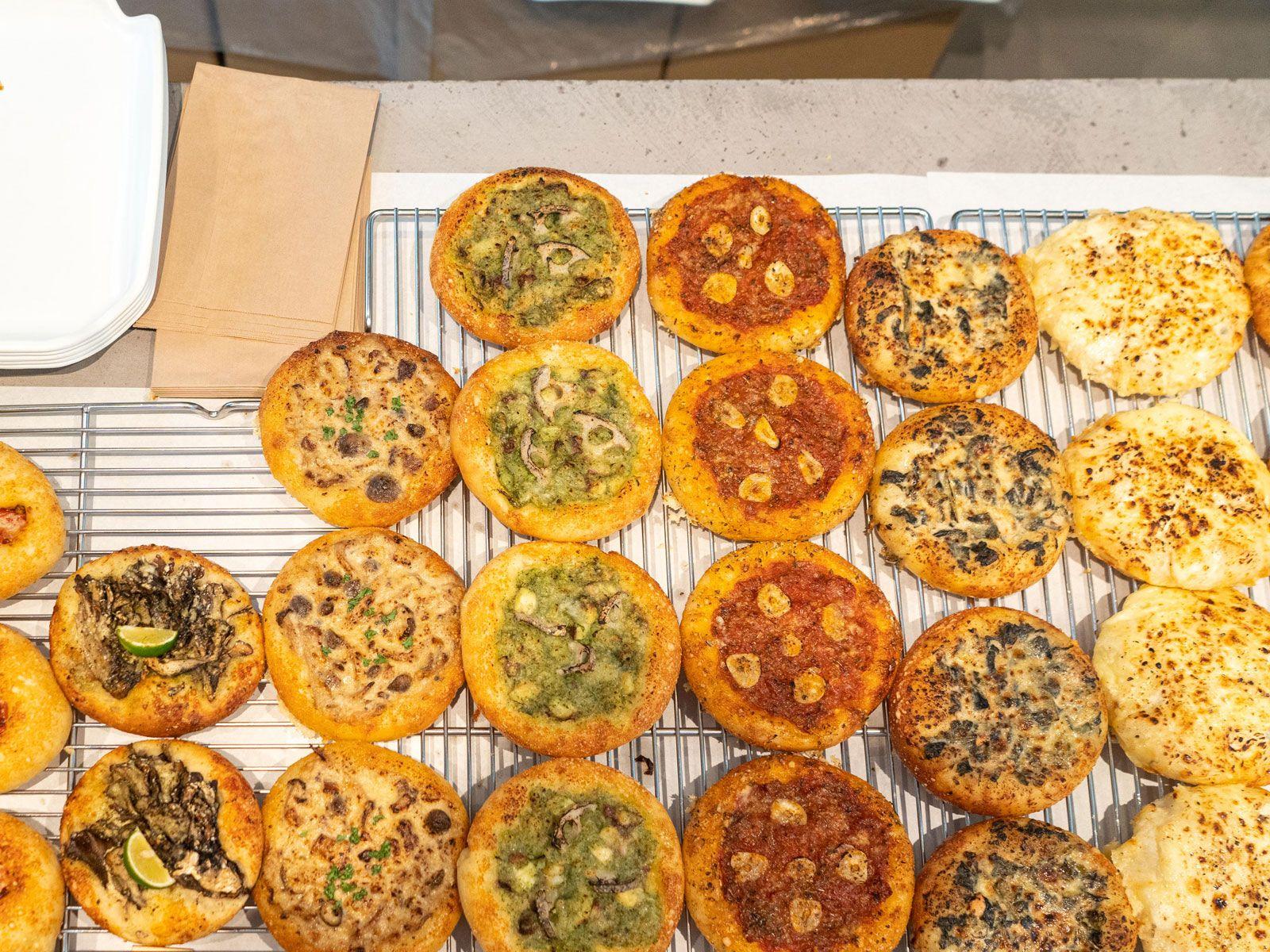
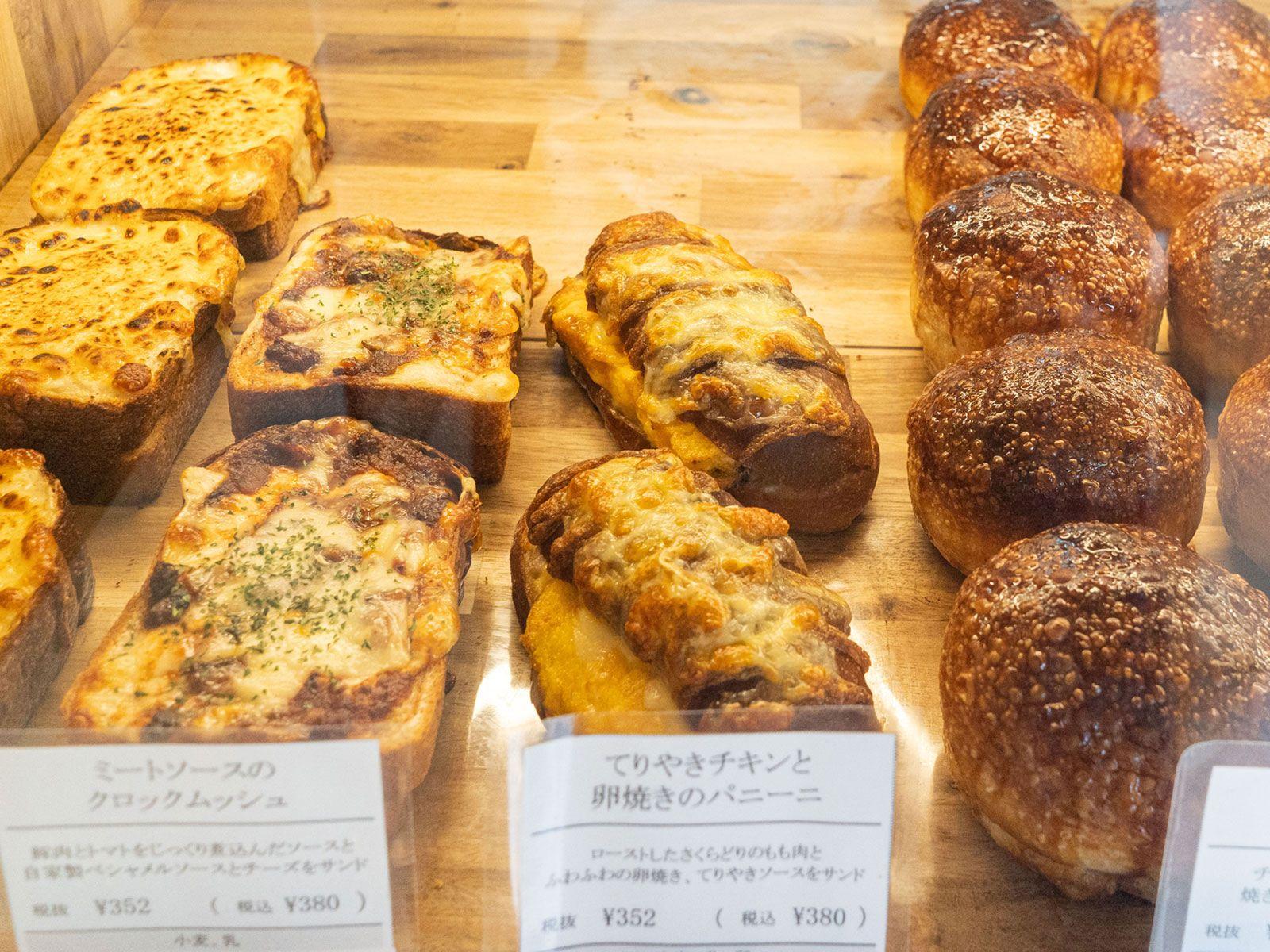
There was a “French” in the shopping street of the housing complex / A traditional boulangerie met in Kashiwa / Pain Esuchukure (Chiba Prefecture)

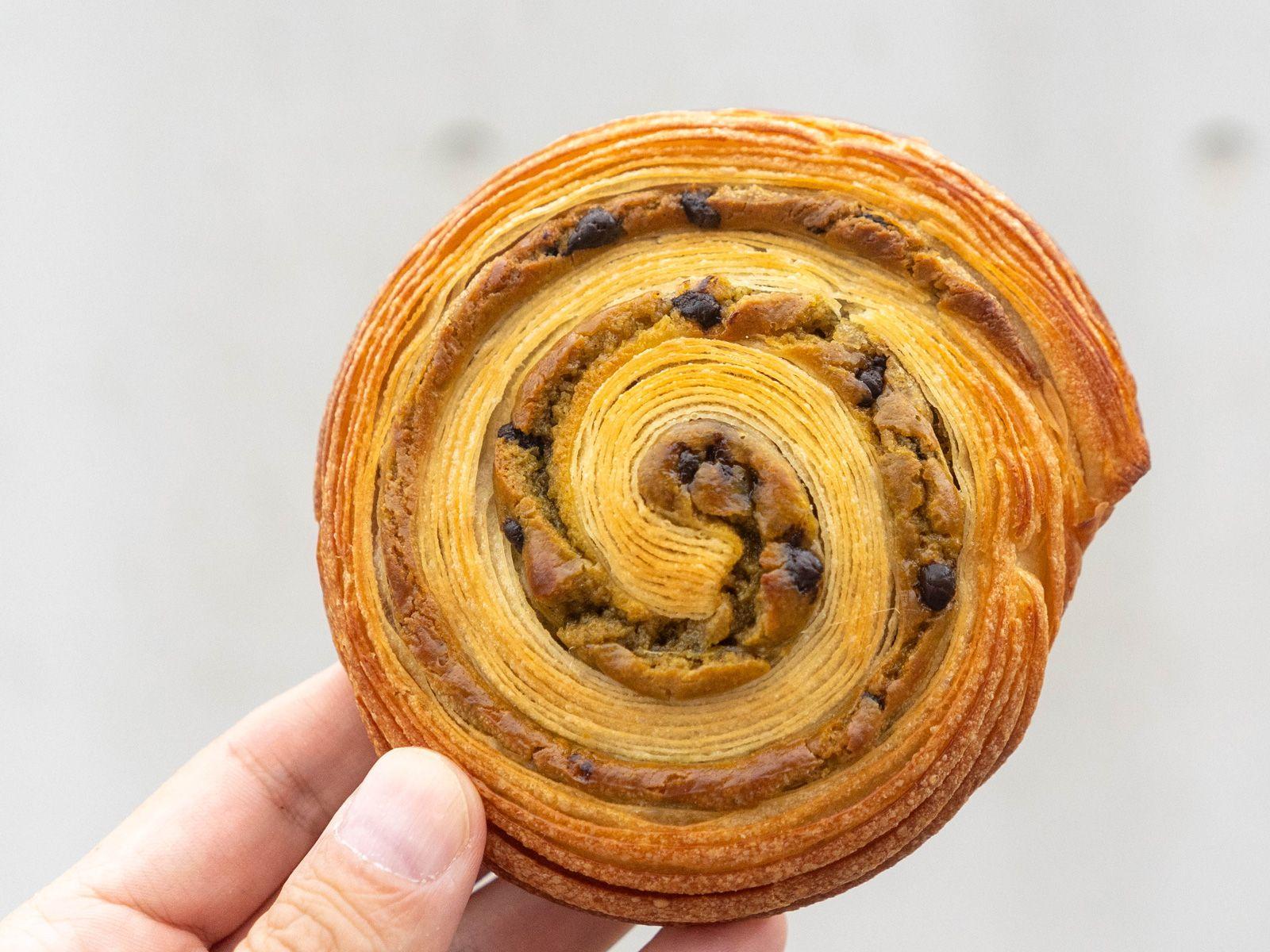
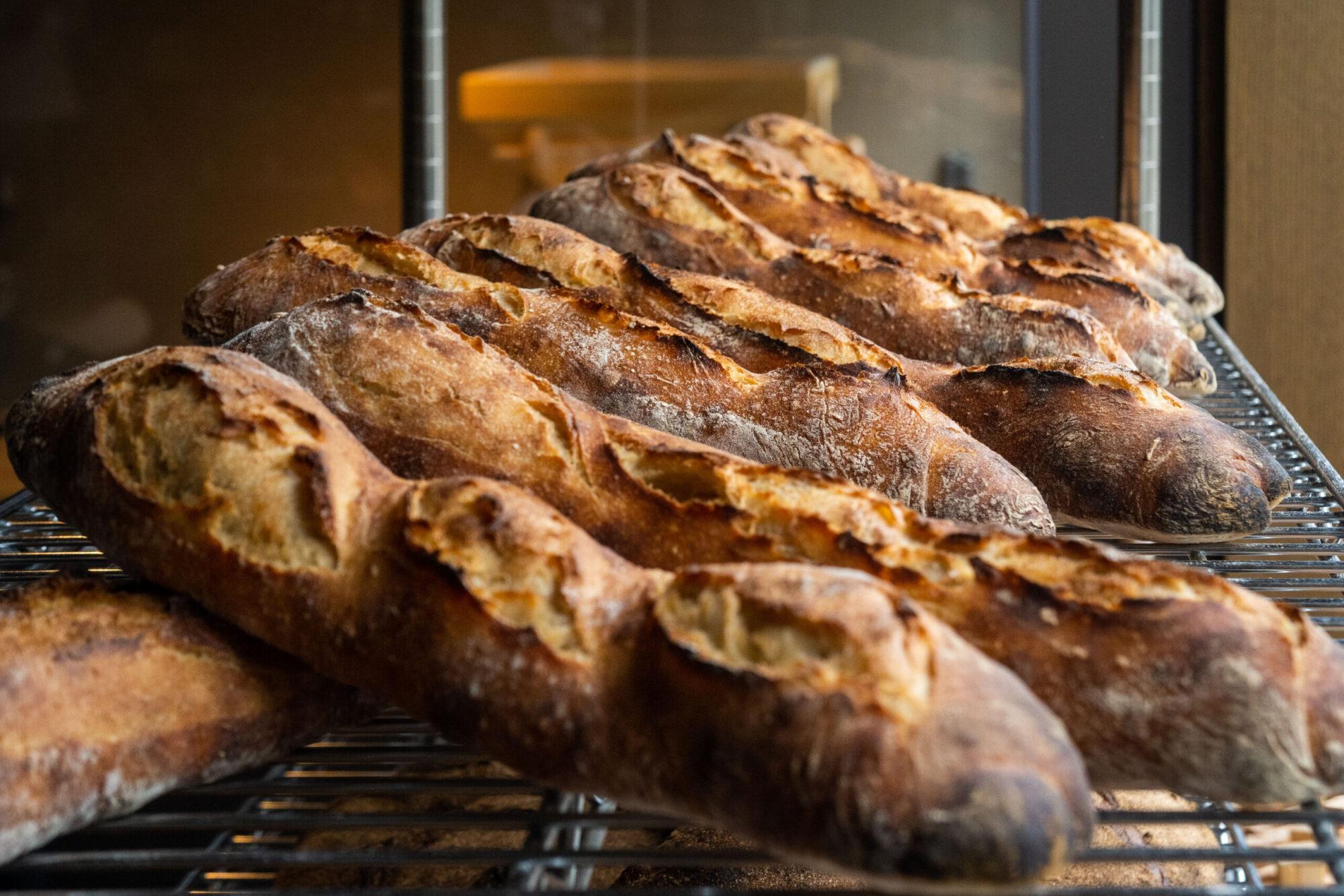
A traditional boulangerie that seems to have fewer outlets than in its heyday. I found this presence—one that could even be called a luxury nowadays—in a rather unexpected place. In Kashiwa City, Chiba Prefecture, among rows of housing complexes, there is a shopping street. A blue wall visible through the glass windows, and the shape of the breads lined up—so much like France.

Discuss this article ↗

2026 / 10

A hundred different kinds of Koguratōst—and a stamp rally with over 50 shops, too—walking through the food culture nurtured in Nagoya

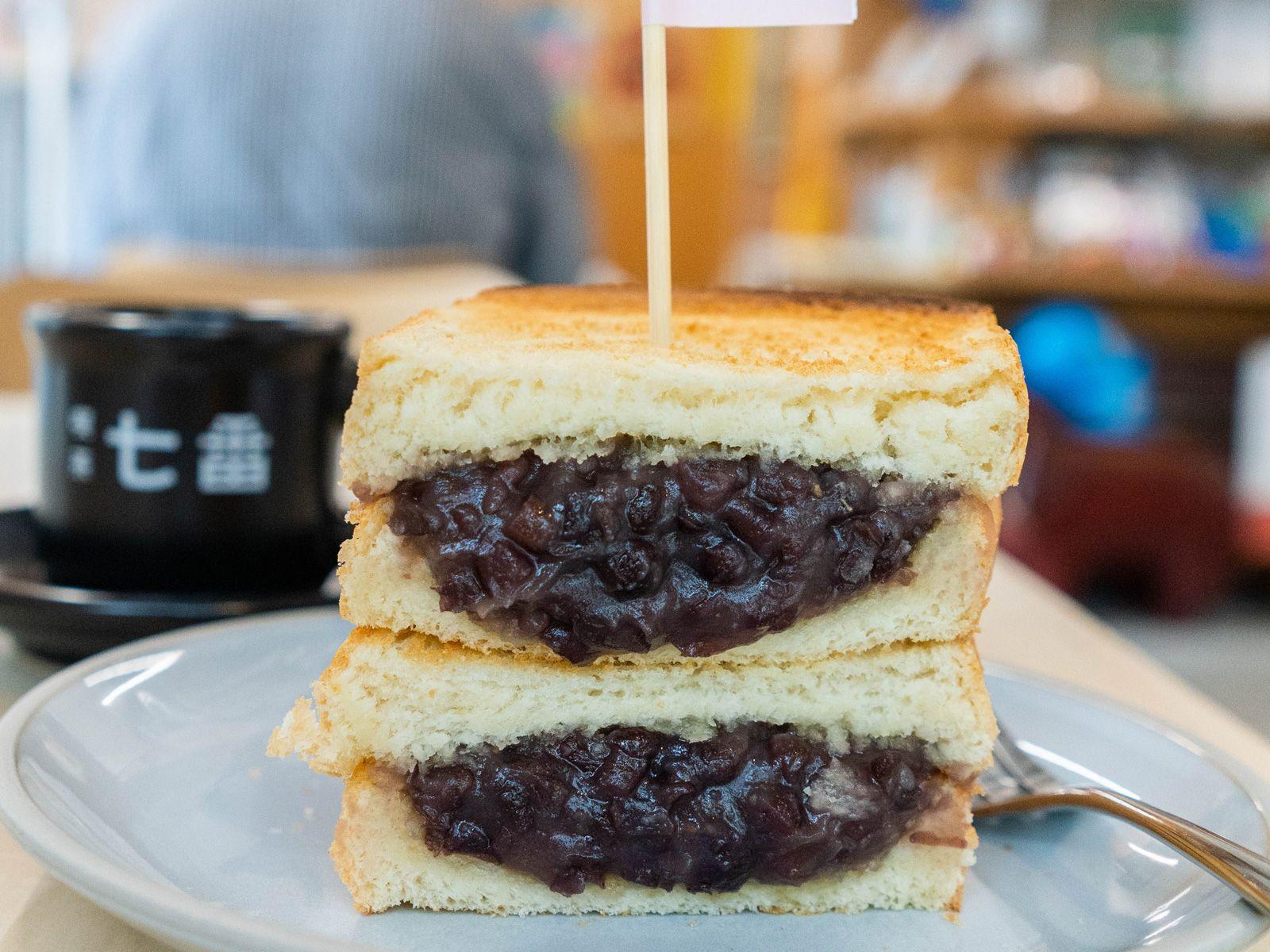
There is an activity called the Koguratōst Promotion Committee. It was created with the aim of spreading the appeal of Koguratōst, a soul food of Nagoya, and passing it on to the next generation. It designates September 10 as “Loving Koguratōst Day” and holds a Koguratōst stamp rally. I, too, visited Nagoya and did my pilgrimage of Koguratōst while collecting stamps. It was an experience that let me catch a glimpse of the hearts of Nagoya people—something I, as an outsider, would not be able to truly understand.

Discuss this article ↗

2026 / 08

A “new wave” at an old-established bakery in Gotemba—Croissants with a new texture that breaks conventions / Boulanger Beck Fan (Shizuoka Prefecture)

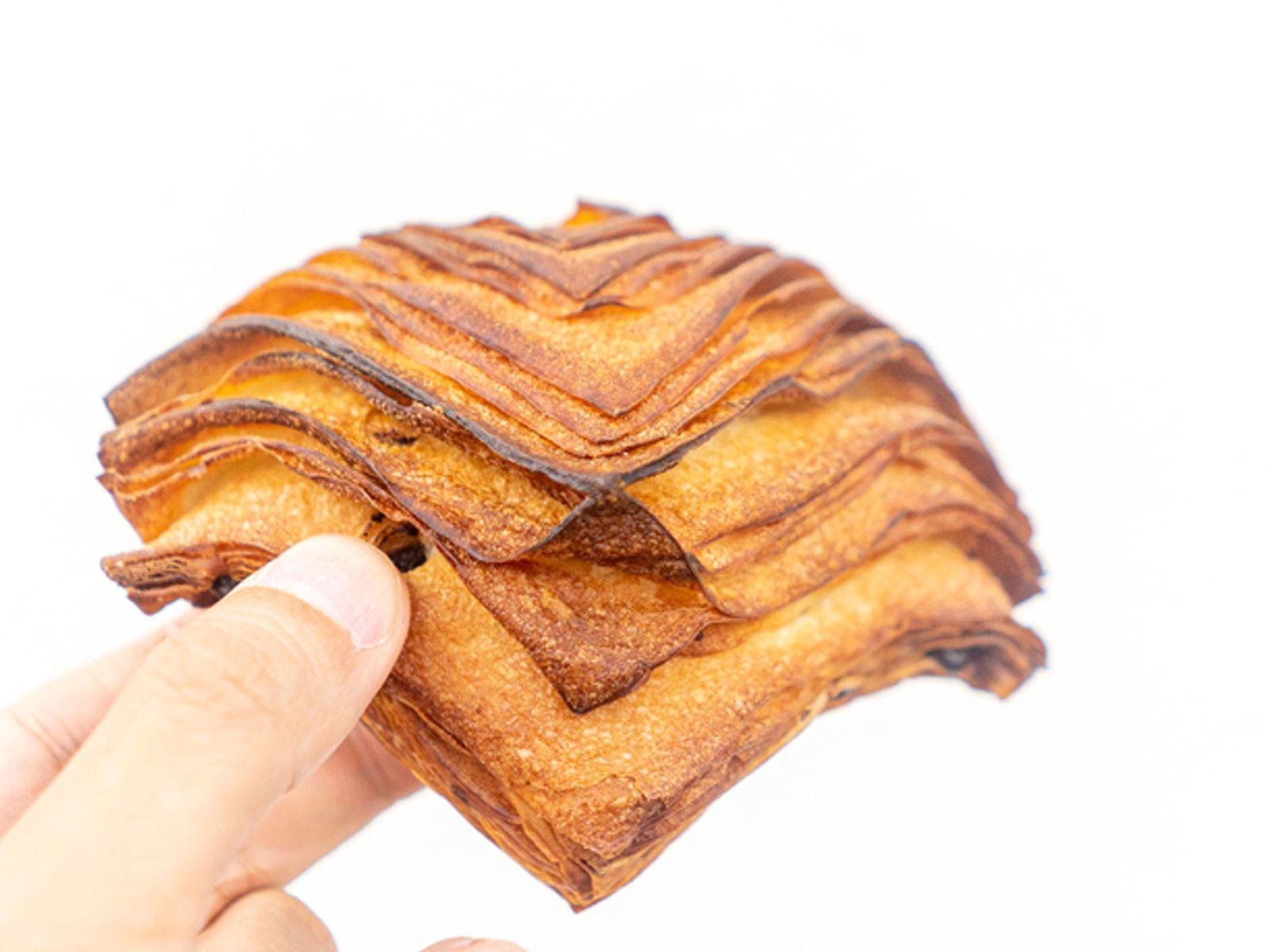
Gotemba, the gateway to Mount Fuji. After leaving behind the station area with hikers carrying large backpacks and families in tow, you walk through a tucked-away shopping street. And that’s where you find the red awning bakery, “Boulanger Beck Fan.” With more than 100 varieties of bread lined up, fresh loaves keep coming out until the afternoon. Above all, the texture of the croissant dough is beyond common sense—and outstanding.

Discuss this article ↗

2026 / 06

A hot dog that makes flavors explode every time you take a bite—A silver container that carries deliciousness / SAHARAN SALT CLUB (Shibuya-ku, Tokyo)

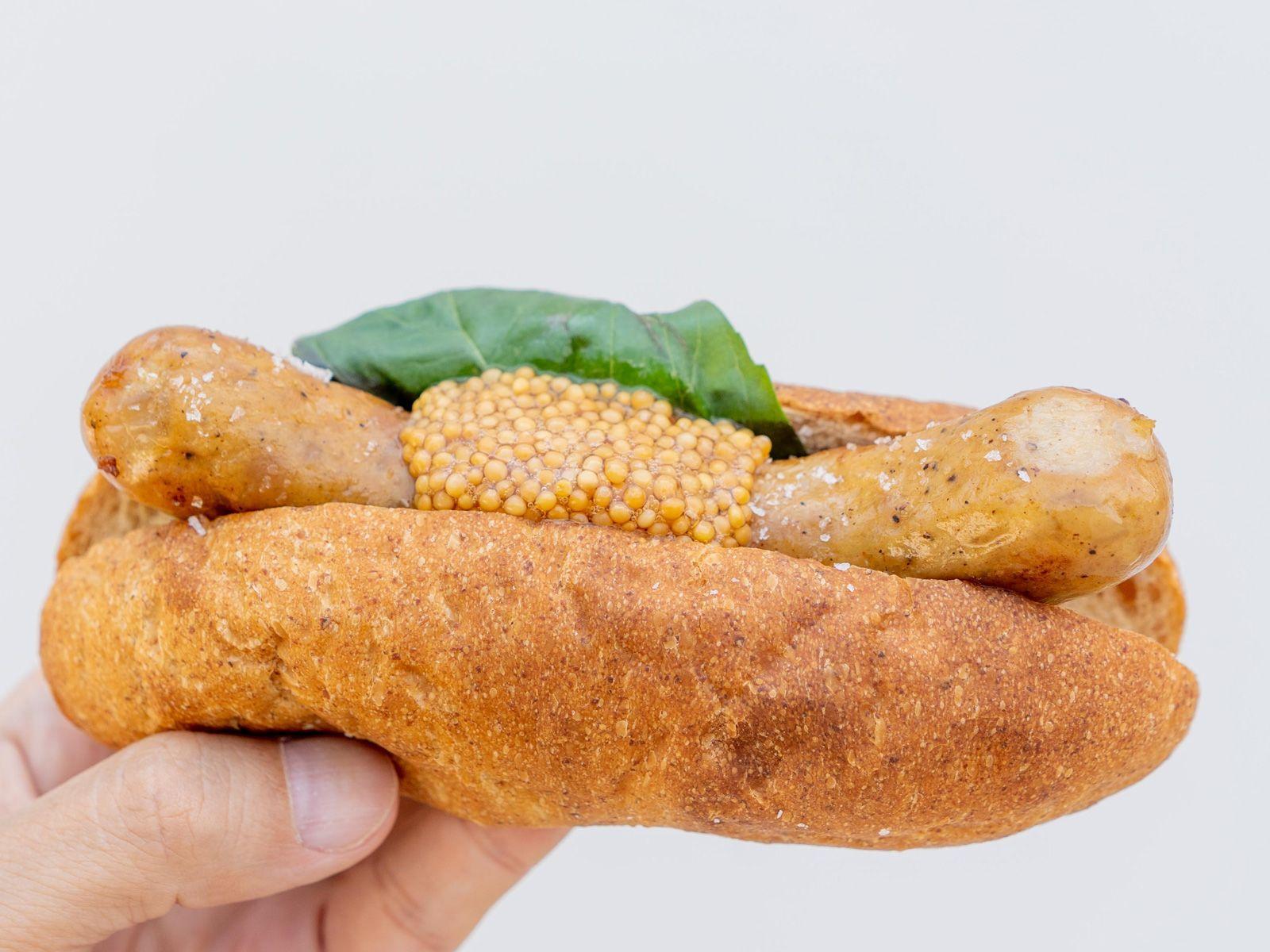
A silver container on a street corner. From Aoyama-dori (246), down a side alley next to the former Kodomo no Shiro toward Meiji-dori. In the gap between buildings, it appeared. It stood out so much it could be seen from far away, and people gathered around as if trying hard at something. If you look closely, it’s a hot dog. Thick sausages protrude from the bread, and gold-colored mustard seeds top it—one look is enough to tell it’s something special.

Discuss this article ↗

2026 / 04

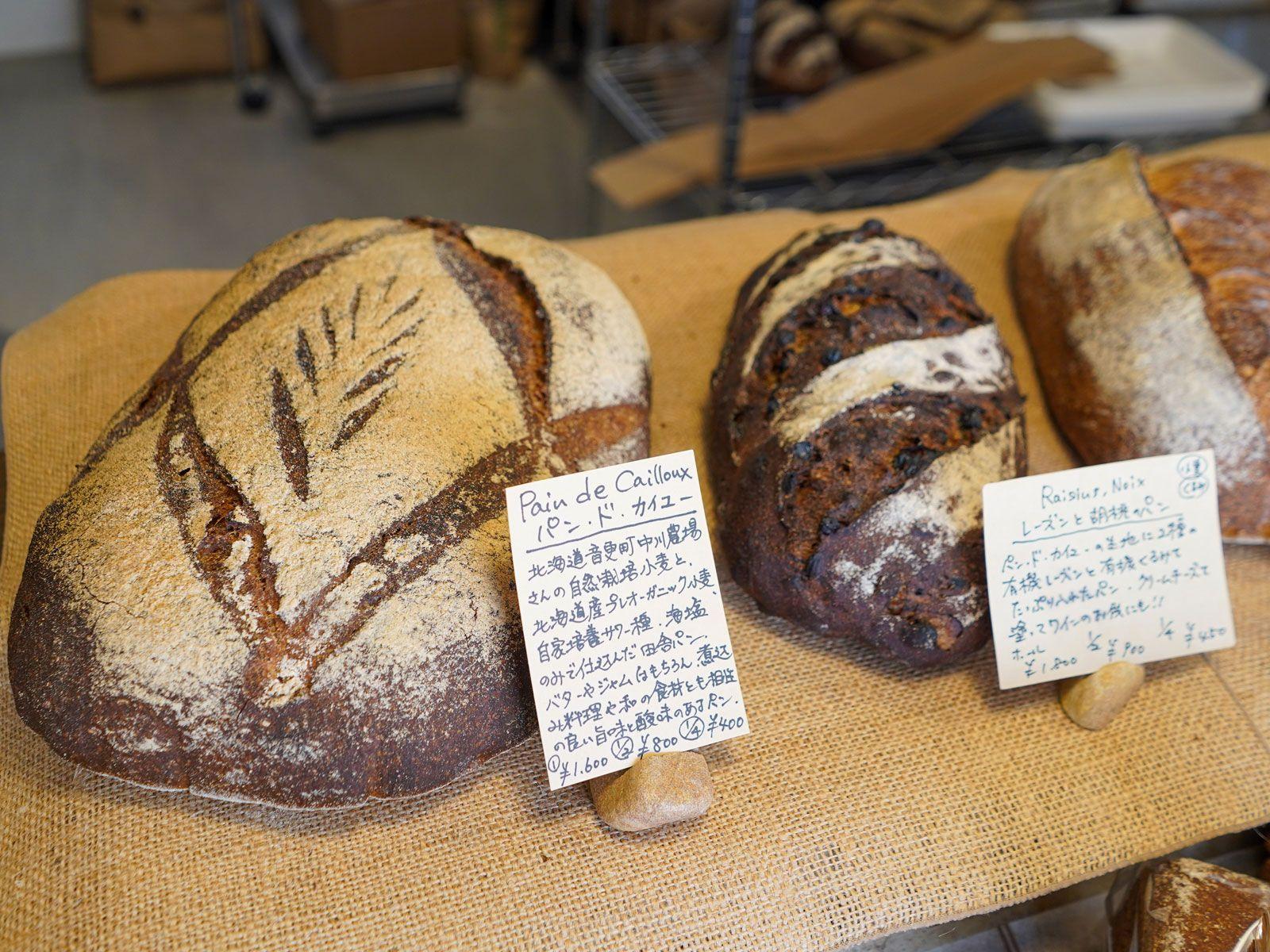
The “stone-like bread” I had longed for—Fresh dough and the flavor of wheat / Cailloux (Kamakura, Kanagawa Prefecture)

Beyond the spot where I pushed my bicycle up while breaking into a sweat lies what’s called the Kitakamakura-dai residential district. To see a town on top of a mountain like this—exhausted as I was—it looked like a miracle, like Machu Picchu, right in front of my eyes. There’s even a short shopping street. On both sides of a pedestrian heaven area, you’ll find cafés, taiyaki shops, and fish shops lined up—and among them, “CAILLOUX” (Kairū) in handwritten lettering, as if probing the limits of whether you can read it or not. This is a bakery on top of a mountain in Kamakura.

Discuss this article ↗

2026 / 03

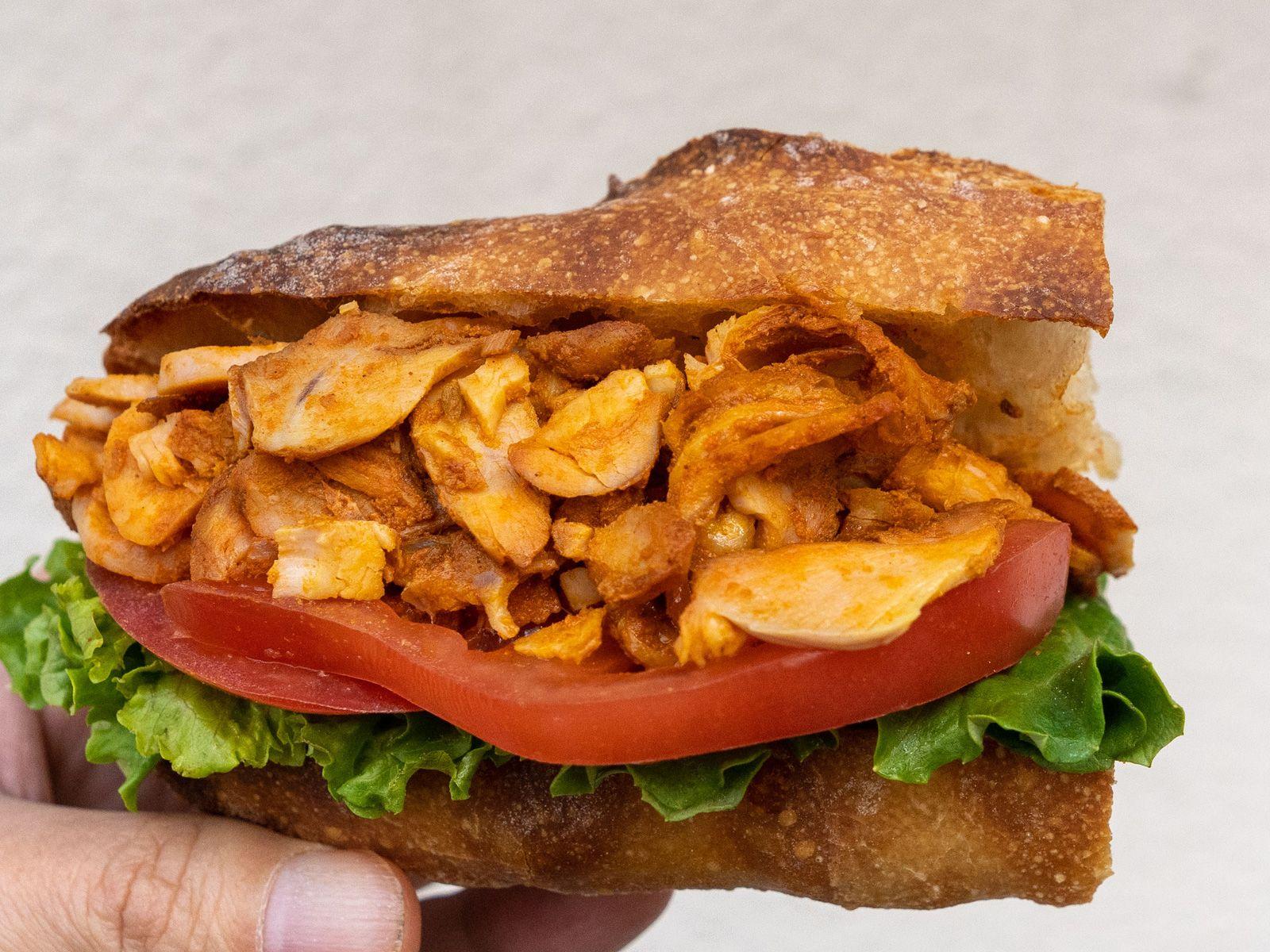
Making Baguette Sandwiches a Reality: The New Culture Created by Siblings / MISAKI BAKERY (Hiroshima City)

A corner across the old Ōta River (Hon-kawa) from Peace Memorial Park, where the Atomic Bomb Dome stands. In recent years, distinctive cafés, bookstores, and vintage clothing shops have been popping up one after another, drawing people with a high level of sensitivity. The driving force behind the culture in the Hon-kawa area (かいわい) is “MISAKI BAKERY.”

Discuss this article ↗

2026 / 02

“What on earth is this—?” The Overwhelming Attraction of Bread: A Young Artisan from Tōhoku, a Rice-Growing Region / Mugi-en

The central city of Tōhoku, a rice-growing region—Sendai. In this town, which many associate with having little to do with bread, young bread artisans are emerging. “Mugi-en,” a small bakery run by a married couple: 30-year-old Keima Miura handles production, while his wife is in charge of sales. You choose your bread while chatting through tall glass display cases.

Discuss this article ↗

How are the wheat of Hokkaido and the wheat of Honshu/Kyushu different? The “Design Blueprint” of Domestic Wheat Told by Genomes

“When you bake bread with Hokkaido wheat, the dough stretches well and rises. On the other hand, the local flour from Honshu is difficult to handle, but the flavor after baking is deep,” they say. But where does this difference come from? It comes from the wheat’s “design blueprint” = the genome. Based on the 2020 announcement of the “International Wheat 10+ Genomics Project”*1 by 10 countries around the world including Japan, which decoded the genomes of 15 varieties from around the world, this time we will discuss…wheat selection

Discuss this article ↗

2026 / 01

Varietal character creates bread culture

Hiroaki Ikeda Original PDF (pages 21–30) I, who as a bread-focused writer had been traveling nationwide to conduct interviews as a specialist, launched the NPO corporation New Wheat Collection (新麦コレクション) in 2015 together with bread artisans and wheat producers. It was because I wanted many people to learn about the wonderfulness of making bread, noodles, and sweets that begins in Japan’s wheat fields. Today, it has about 350 member bakeries and carries out initiatives in collaboration with 22 flour mills and producers nationwide.

Discuss this article ↗

パンラボ · 朝日新聞「このパンがすごい!」