Blog

2,490 articles / Newest first

2026 / 02

“What on earth is this—?” The Overwhelming Attraction of Bread: A Young Artisan from Tōhoku, a Rice-Growing Region / Mugi-en

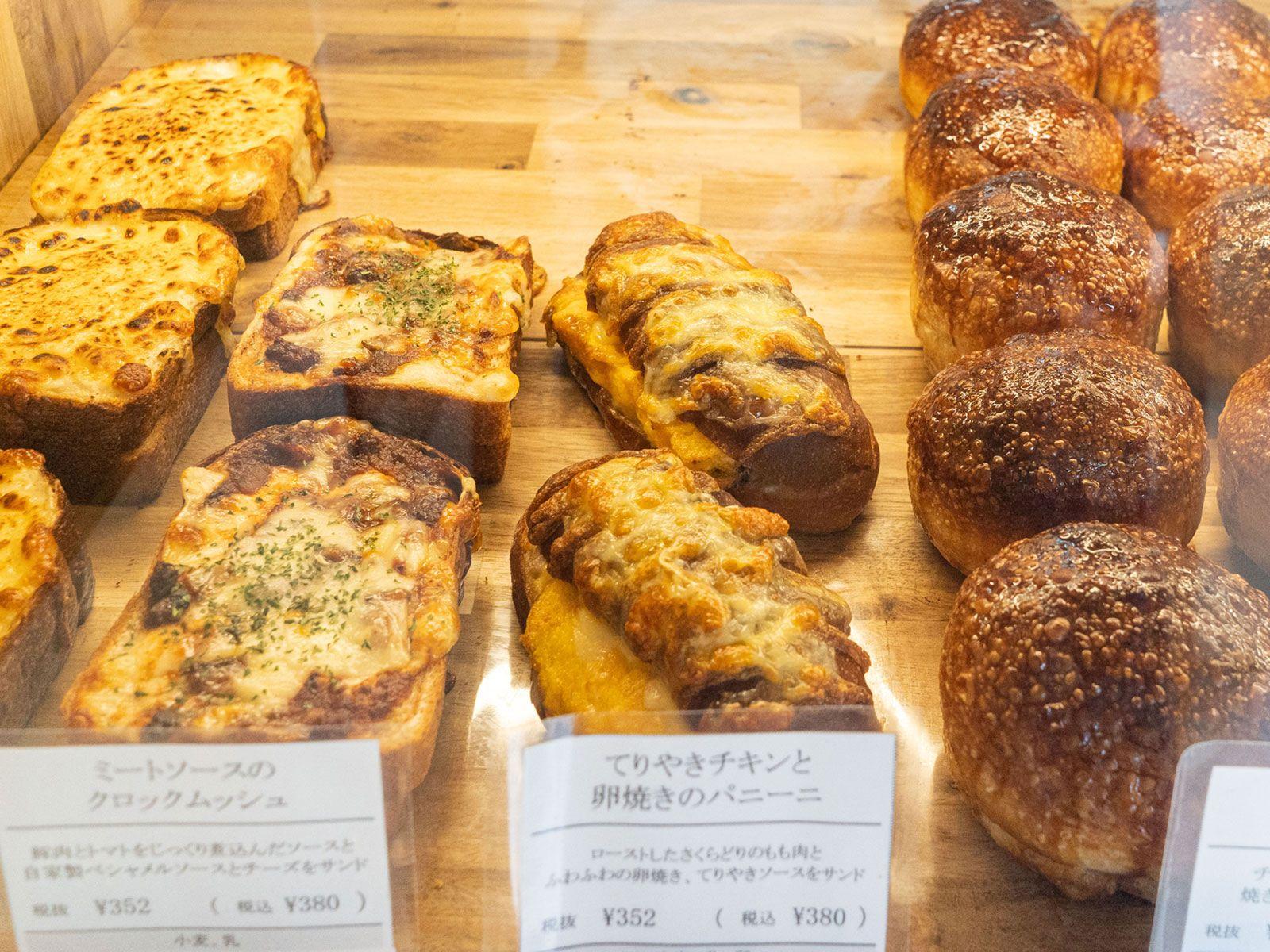
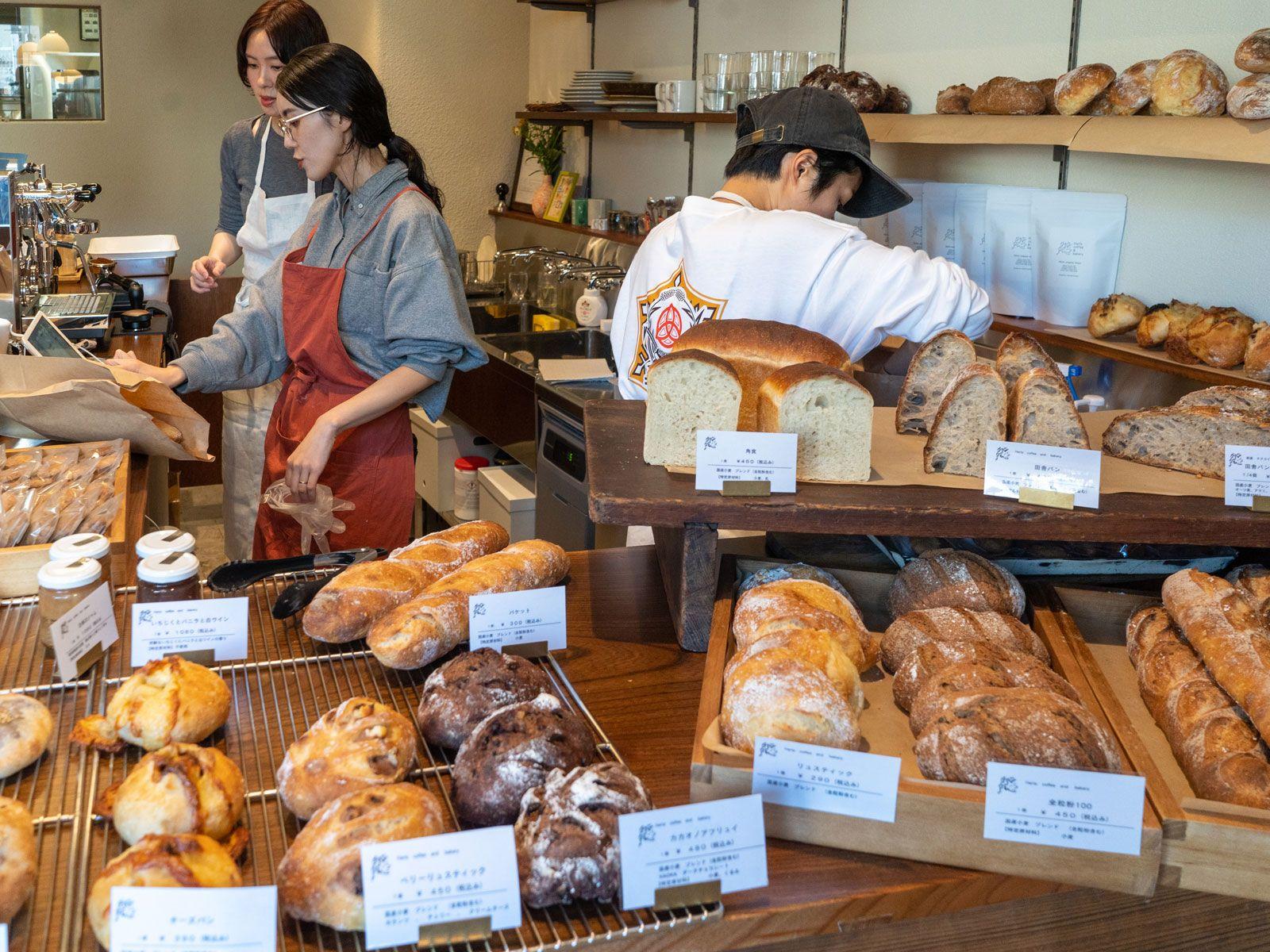
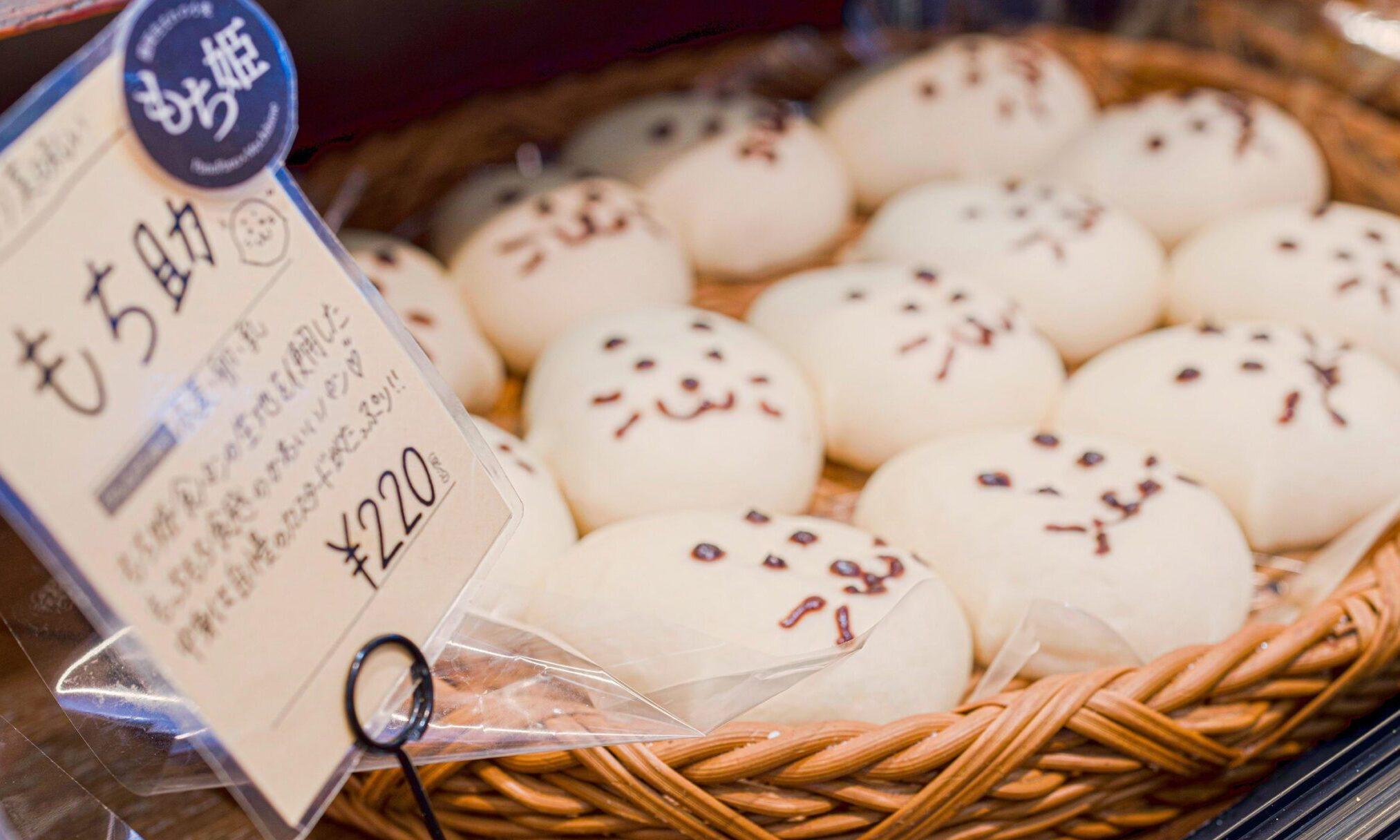
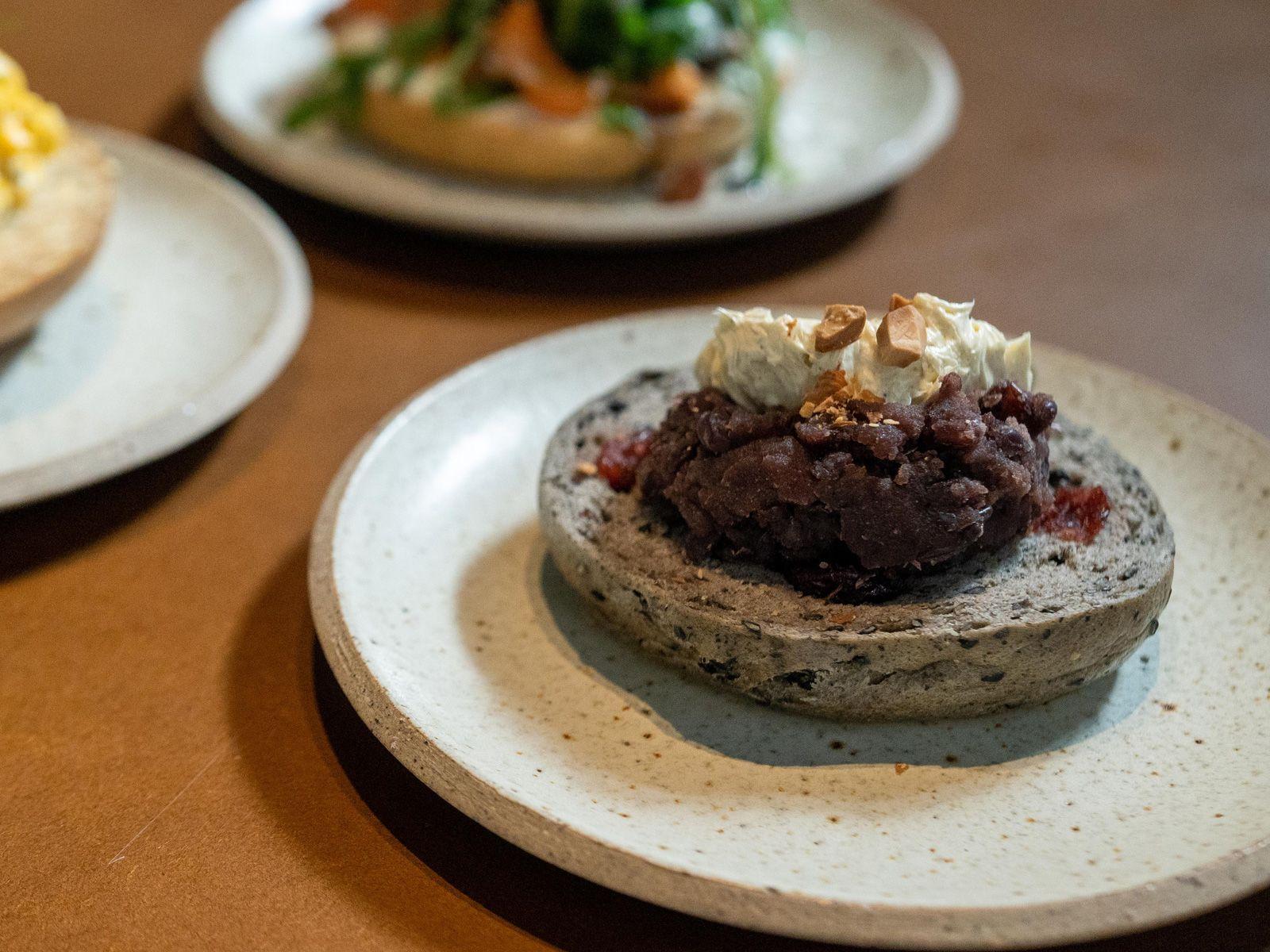
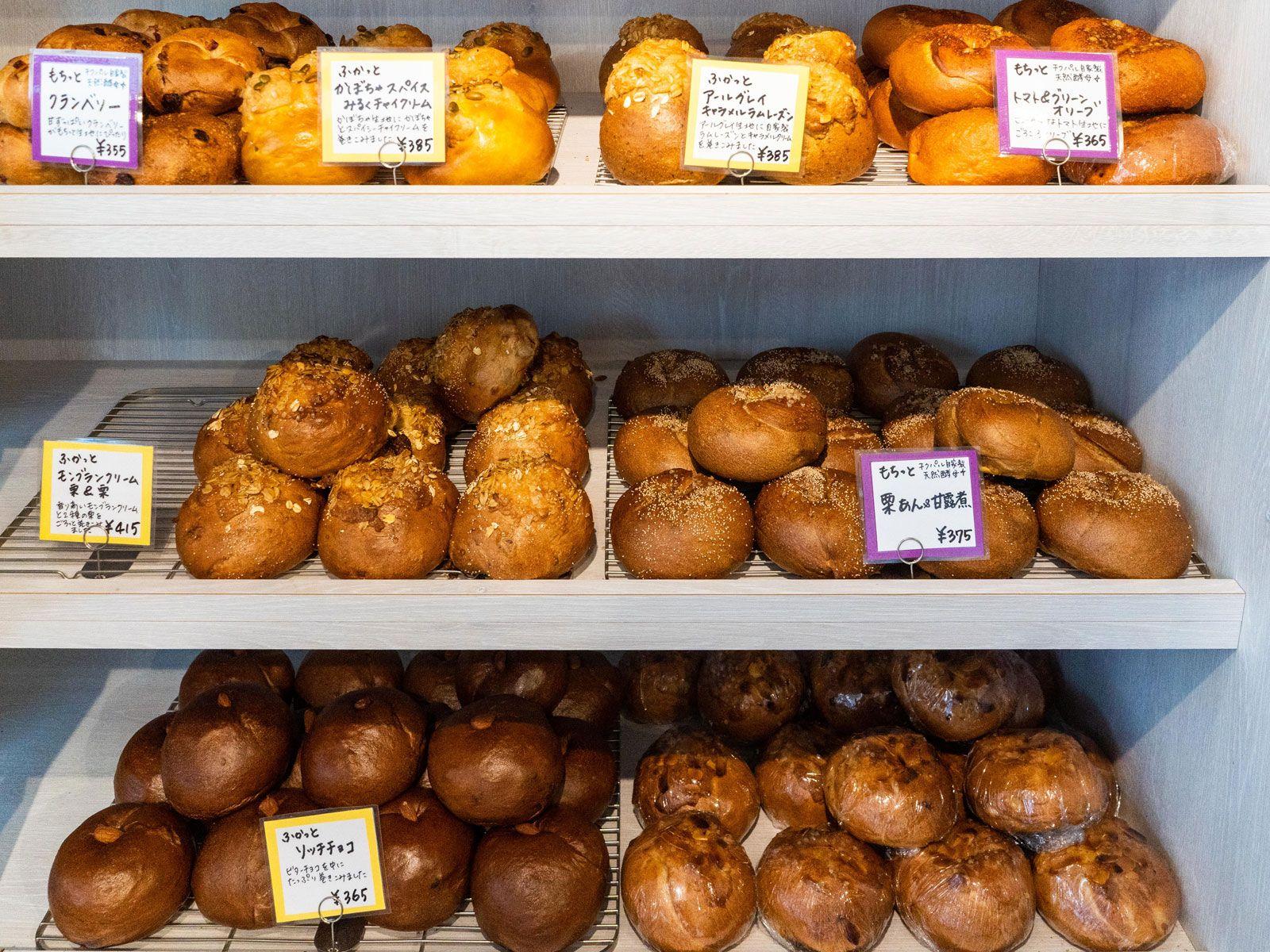
The central city of Tōhoku, a rice-growing region—Sendai. In this town, which many associate with having little to do with bread, young bread artisans are emerging. “Mugi-en,” a small bakery run by a married couple: 30-year-old Keima Miura handles production, while his wife is in charge of sales. You choose your bread while chatting through tall glass display cases.

Discuss this article ↗

How are the wheat of Hokkaido and the wheat of Honshu/Kyushu different? The “Design Blueprint” of Domestic Wheat Told by Genomes

“When you bake bread with Hokkaido wheat, the dough stretches well and rises. On the other hand, the local flour from Honshu is difficult to handle, but the flavor after baking is deep,” they say. But where does this difference come from? It comes from the wheat’s “design blueprint” = the genome. Based on the 2020 announcement of the “International Wheat 10+ Genomics Project”*1 by 10 countries around the world including Japan, which decoded the genomes of 15 varieties from around the world, this time we will discuss…wheat selection

Discuss this article ↗

2026 / 01

Varietal character creates bread culture

Hiroaki Ikeda Original PDF (pages 21–30) I, who as a bread-focused writer had been traveling nationwide to conduct interviews as a specialist, launched the NPO corporation New Wheat Collection (新麦コレクション) in 2015 together with bread artisans and wheat producers. It was because I wanted many people to learn about the wonderfulness of making bread, noodles, and sweets that begins in Japan’s wheat fields. Today, it has about 350 member bakeries and carries out initiatives in collaboration with 22 flour mills and producers nationwide.

Discuss this article ↗

Bread People Series Vol. 6 “Panstock” Hirayama Tetsusei Chef

A serialization in which we carefully interview game changers who have had a major impact on the evolution of Japanese bread. This time’s bread person is a bread shop from Fukuoka that always spreads the most cutting-edge production methods—one that has a national presence. See past Bread People serials!A residential-area bakery as the spark point for innovation! Hiroaki Ikeda This person’s end point is becoming the very forefront of bread. He evolved high-hydration, ultra-mature breads into something that everyone can get their hands on. A hit that sells several thousand per day.

Discuss this article ↗

Something That Makes You Want to Go All the Way to Mito: Diverse Breads Aiming for Regional Revitalization / Good bakes

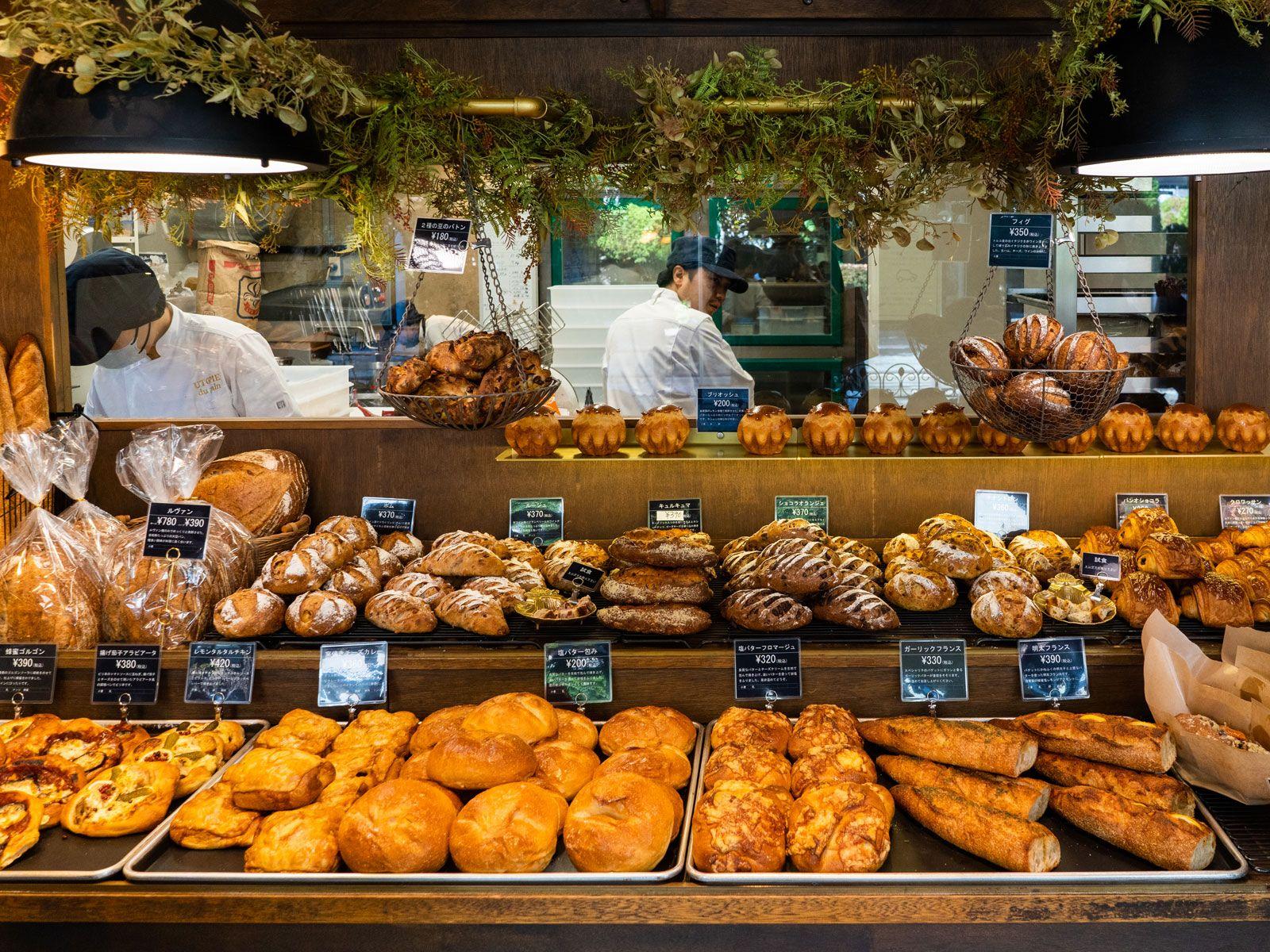
Right in the middle of Mito City, just a short walk from the intersection in Izumi-cho 1-chome where Keisei Department Store is located. Along Kōmon-san Street, the main street, stands “Good bakes” with an appearance like a jewelry shop. On a concrete floor with bare finish, African masks hang on the walls. In display tables that extend deep into the shop, 80 types of bread are laid out.

Discuss this article ↗

2025 / 12

The Surprising Lightness of Galette des Rois: Sharpening Sensibility and Technique in Juso, Osaka / Parisigeno and Atelier de Maman

When the Hankyu train leaves Osaka-Umeda Station, it crosses a long iron bridge over the Yodogawa River. Once you’ve crossed it, you’re in Juso. If you go through the shopping arcade in the downtown area full of the bustle that’s quintessentially Osaka, you end up directly under the embankment of the Yodogawa River. Just where you can see the iron bridge you crossed a moment ago, there is “Parisigeno and Atelier de Maman,” a patisserie and bakery.

Discuss this article ↗

2025 / 11

With imported prices soaring, “Japanese-grown wheat” comes into the spotlight—regional revitalization driven by local bakeries

Japan’s regional economy is declining and the country is becoming increasingly centralized in one place. In such a situation, Ikeda Hiroaki, who runs Pan Lab, says that what can serve as the ignition point for the development of a region—and help create energetic regions across Japan—is a bakery. In fact, efforts to revitalize regions through bread are already being carried out in many places around the country. In this article, we introduce specific examples as described in the book *Bread Business* (*パンビジネス*). ※This article is an excerpt and edited version of the content from Ikeda Hiroaki and…

Discuss this article ↗

“Bread Drinking” Is Gradually Catching On: A Common Point Seen from the Success of Bakery Cafés

With a style where you enjoy coffee and other drinks with bread becoming everyday life, “bakery cafés,” where you can enjoy bread and cafés together, are gaining popularity. Why have bakery cafés permeated society so much? Mizho Hiyori, who has been taking bread classes for more than 10 years and is still deeply involved with bread, says that successful shops have “a certain common point.” *This article is from ‘Pan Business’ by Ikeda Hiroaki and Mizho Hiyori…

Discuss this article ↗

There Are Masterminds Behind the Bread Shops You Have to Queue For…What Is the Job of a “Bakery Producer”?

Even though customers say the bread is delicious, somehow foot traffic is low. To become a bread shop that is loved by customers, Ikeda Hiroaki and Mizho Hiyori, who handle bread shop space-creation projects starting with “The School of Bread,” point out that it’s important not only to have bread that tastes good, but also to do concept making. Then what kind of concept making should a bakery shop focus on—to shape the bakery’s world view and vision…

Discuss this article ↗

I Want to Spread the Deliciousness of Domestic Wheat: A Chain of Joy Born from a Small Bread Shop / m.3546 BAKERS

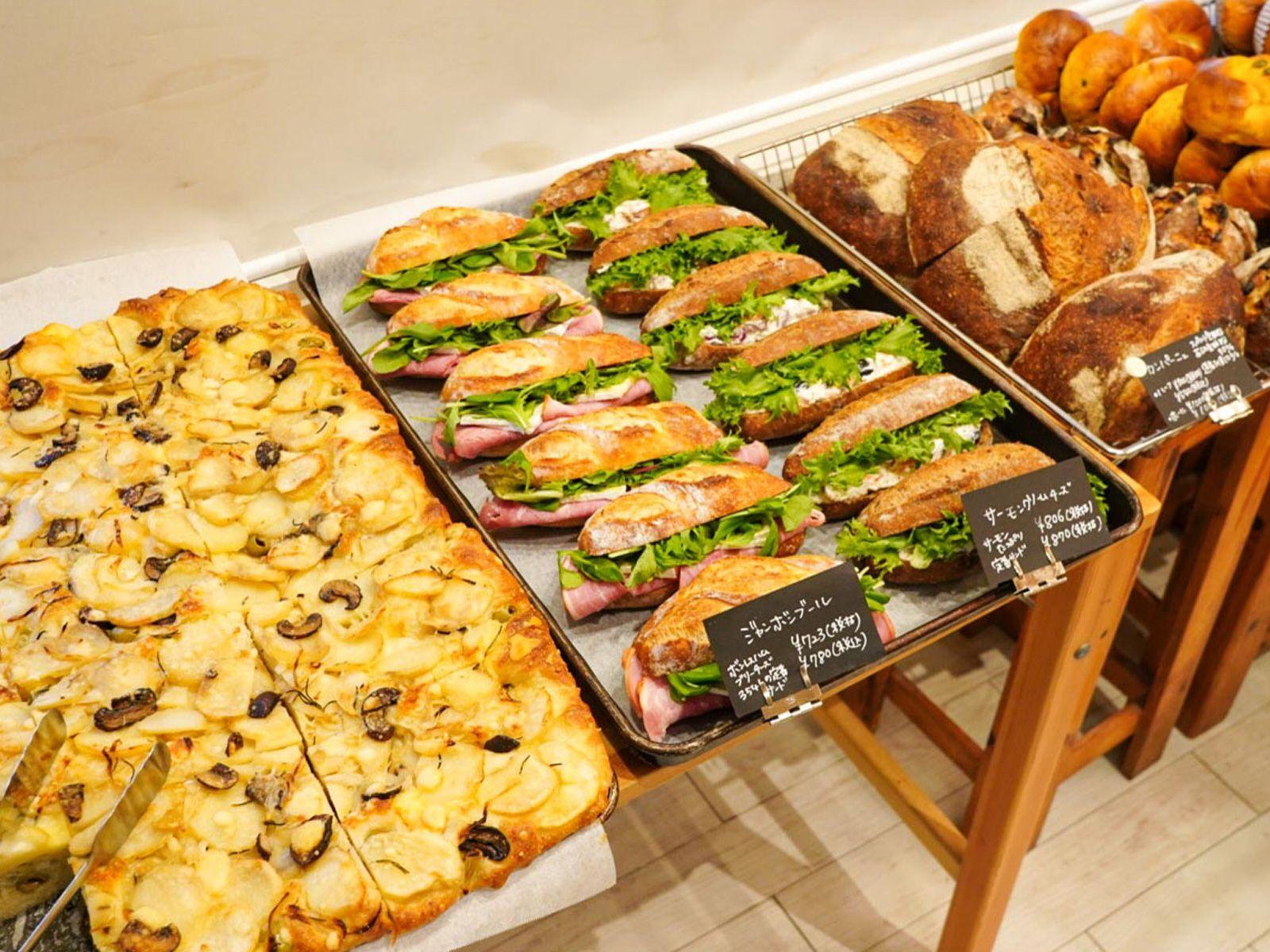
The red-paved Sugitani Shōtengai that continues from Sugitani-Otsuka Station shows an elegant atmosphere typical of the Tokyu line. The small bakery “m.3546 BAKERS” that is a short walk away opens only twice a week. On those days, a line forms before the shop even opens. The narrow interior is packed with hard-style breads and sandwiches. The careful shapes and neatly arranged look suggest work done with care. Those breads belong to Yoshioka Masaru…

Discuss this article ↗

2025 / 10

Challenging Wheat Variety Improvement from Iwate: What Will Be Its Outcome?

Farmers in Shiwa, Iwate Prefecture, who once had been running at a loss with Nanbu wheat, saw yields jump to three times after switching varieties. Wheat cultivation had been a deficit no matter how much they produced. With the adoption of a new variety, the scenery that had previously been visible changes completely. What lay behind it was the existence of mochi wheat, which had been developed into products over 20 years, and what Ikeda Hiroaki of Bread Lab calls “finding what you’re good at,” carried out with as many actual demand-side users as possible. This time is about…

Discuss this article ↗

A Warm “Bread Drinking” in Kyoto: A New Encounter of Wine, Bread, and Food / mati

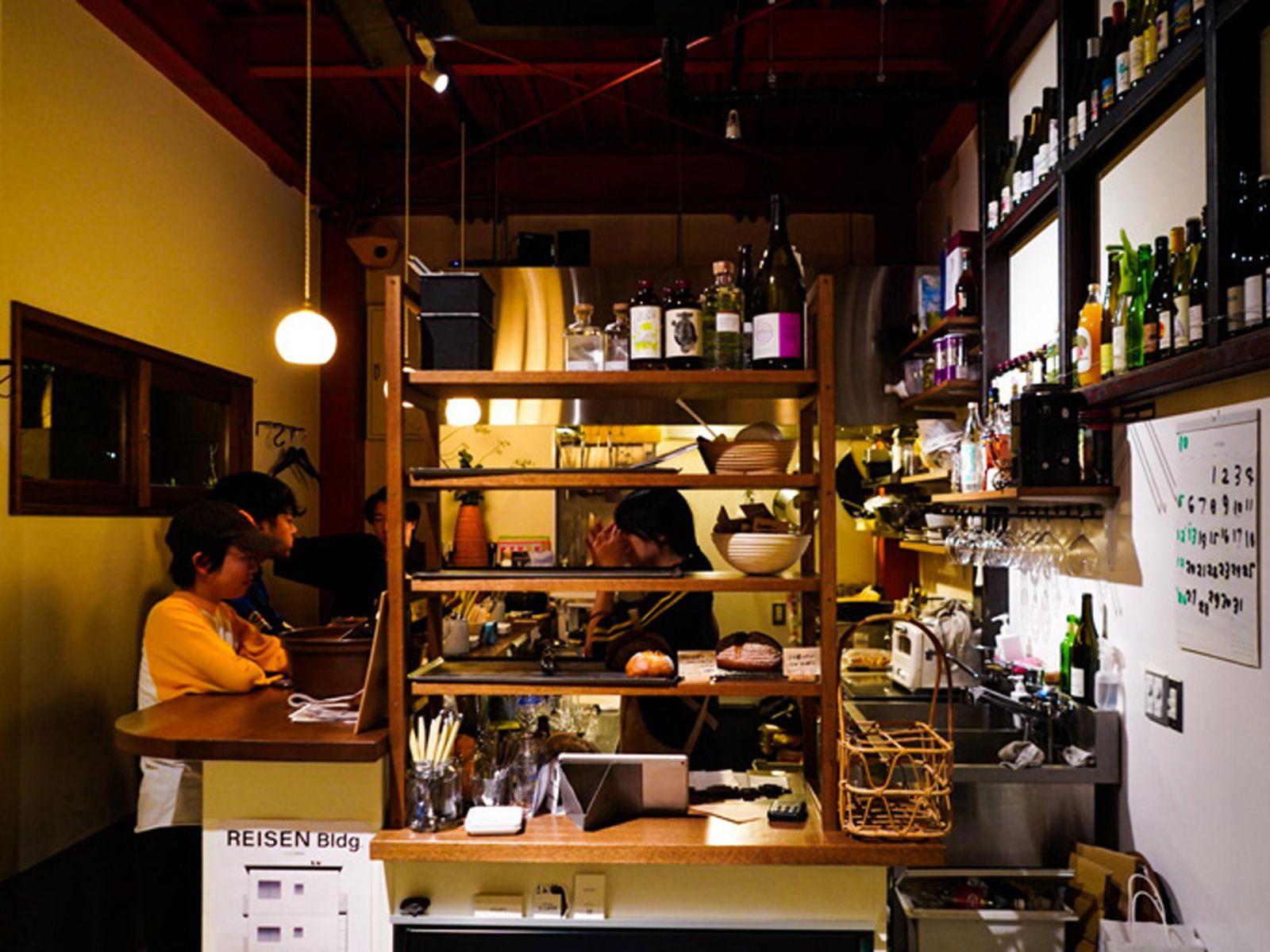
Even along the cherry blossom-lined path on the shore of the canal, night had fallen (the curtain of night). Light leaked from the first floor of the building along Saisui-dōri, and you could see wine bottles lined up all the way to the ceiling. Being able to use a stylish bar in everyday life seems very Kyoto-like—and there was another reason that came to mind. Bread lined up on the shelves. This place, “mati (Machi),” is a shop for “bread drinking” and also a bakery.

Discuss this article ↗

Japanese bread has broken prevailing industry common sense in a variety of ways, achieving a Galápagos-like “super evolution.” The groundbreaking production method “yudane” that spread around the world was devised by a bread shop in Takarazuka…

(Photo provided by Photo AC) From breakfast sandwich bread to the specialty breads with high-end bakeries’ signature attention to detail, bread is an essential part of our daily lives. But if you dig deeper into that world, you may discover even more appeal. This time, we excerpt and re-edit parts from the book 『パンビジネス』 by NPO法人 新麦コレクション (Shinmugi Collection) Chairman Hiroaki Ikeda and editor Hiyori Mizuo, who are both avid bread lovers.

Discuss this article ↗

The depth of flavor in bread is comparable to wine and coffee. Look, touch, smell… Here’s an introduction to a “tasting method” for savoring bread slowly and truly feeling it.

(Photo provided by: Photo AC) Bread—from breakfast loaves to the painstaking specialty breads of upscale bakeries—is indispensable to our everyday lives. But if we dig deeper into that world, we may discover even more appeal. This time, we excerpt and re-edit selected parts from the book *Panbizinesu (パンビジネス)* by Hiroaki Ikeda, head of the NPO法人 New Wheat Collection and a huge bread lover, and editor Hiyori Mizuo, whom we bring you as they share their knowledge and perspectives.

Discuss this article ↗

Pursuing Deliciousness and Sustainability—Creating New Value in Bread Through Effort and Technology / SAMAA_

“SAMAA_ (サマア),” a coffee shop that opened on October 1 in Setagaya, Tokyo, revived a tenement house that has been standing for over 70 years. It reportedly takes as its concept pursuing both “Deliciousness (おいしさ)” and “Sustainability,” and overcoming that contradiction with an experimental spirit.

Discuss this article ↗

2025 / 09

A Stone Warehouse Opens Twice a Week in the Outskirts of Utsunomiya, Loaded With Homemade Fillings / Yamame Pan 店

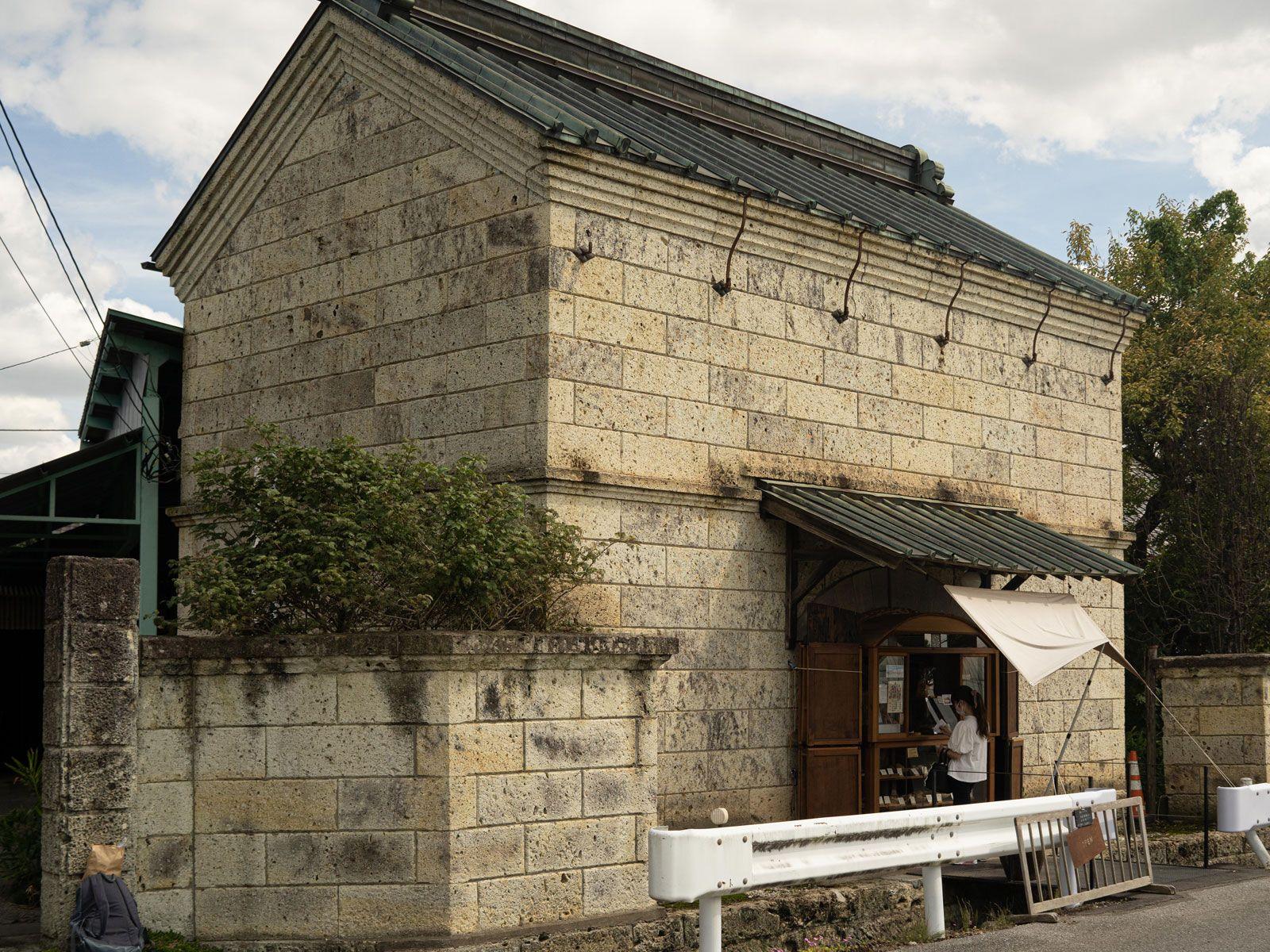
When you go a little outside the city center of Utsunomiya, natural scenery appears. A river not covered in concrete, rice fields where ear of rice ripen, a large open sky—and a stone warehouse. A storefront window board is set up with wood in a corner of the stone wall. And there, everyone happily buys the breads lined up there, chatting with the shop staff.

Discuss this article ↗

About 50 Types of Dazzling Bagels, Stop By in the Shopping Arcade Whenever You Like / Chikupaaru Bagel

In Hatsunai, Tokyo, I used to think of it as a big city where an expressway and Opera City block the sky—but if you go around to the back, there’s a so quaint shopping arcade like this. At the spot where you enter through a gate marked “Fudō-dōri,” there’s a bagel shop open. Few people would realize that the shop owner of this place, which looks like it belongs in the neighborhood, is the person who brought innovation to Japan’s bagels.

Discuss this article ↗

Mentaiko, cream, rolled omelet egg… Great showmanship that energizes Kokura’s shopping arcade! / SHUN PAN LABO

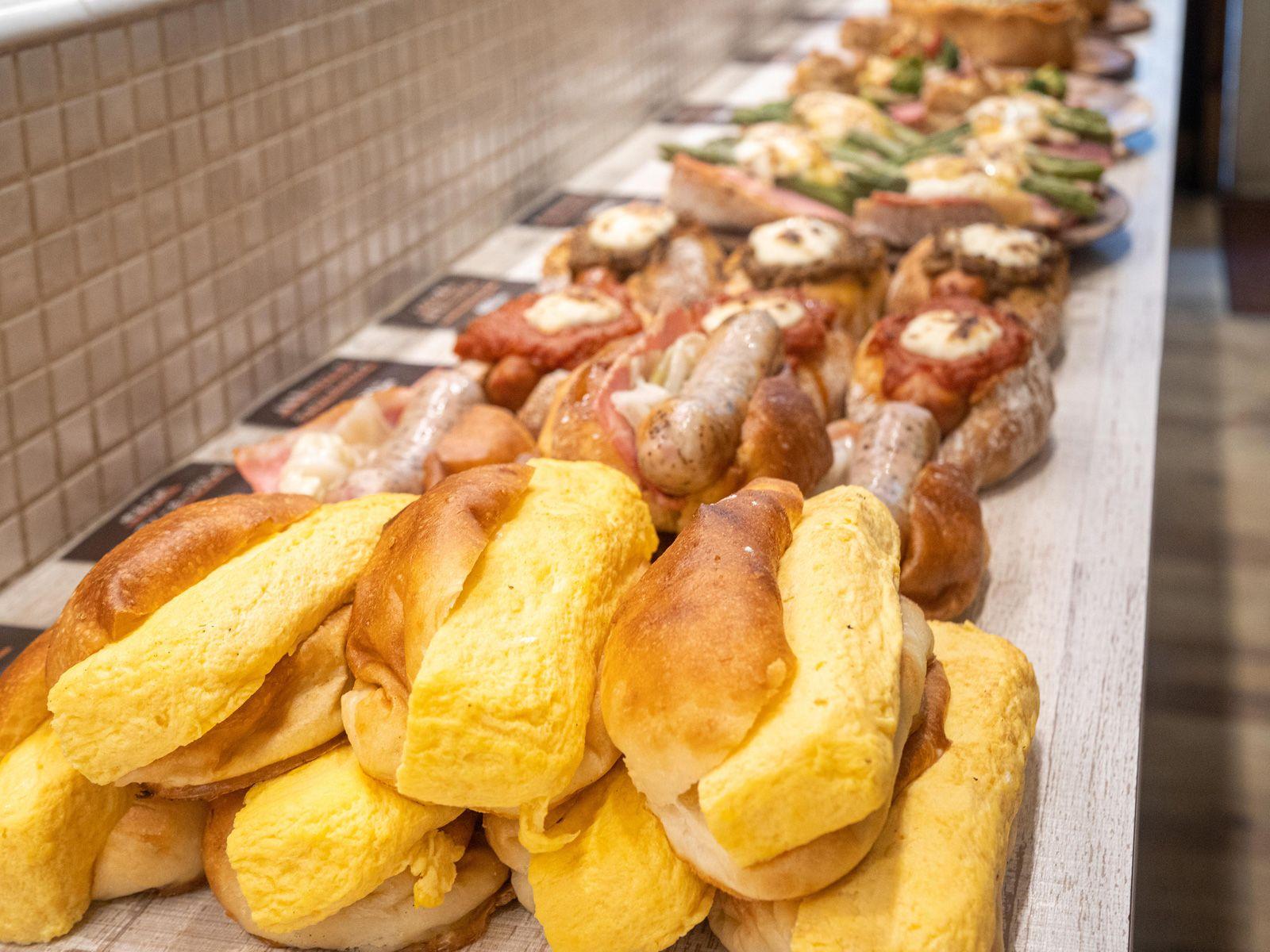
Kokura is a town where the shopping arcade is lively. In Shōwa 26 (1951), Japan’s first arcade street, “Uomachi Gintengai,” was created. About 400 meters from near Kokura Station, local and long-established shops have survived—there are even modern-day bakeries inside. If you open the doors of “SHUN PAN LABO,” you’ll find breads overflowing with “This is something I want to eat!” and “I was looking for something like this!”

Discuss this article ↗

2025 / 08

French techniques × Japanese sensibility—An original bread that crosses genres / Bakery San San

In Yokohama, there is a wide, tree-lined promenade connecting Ōsanbashi Pier (ふとう) and Yokohama Stadium—Nihon Odōri. On Chiban-chi (address) No. 33 is Bakery San San. It’s in a corner of “Kosha33,” which is equipped with an event space, coworking offices, and a share-style bookstore, and the layout draws nearby residents to visit this building regularly every day, playing a part in building the community.

Discuss this article ↗

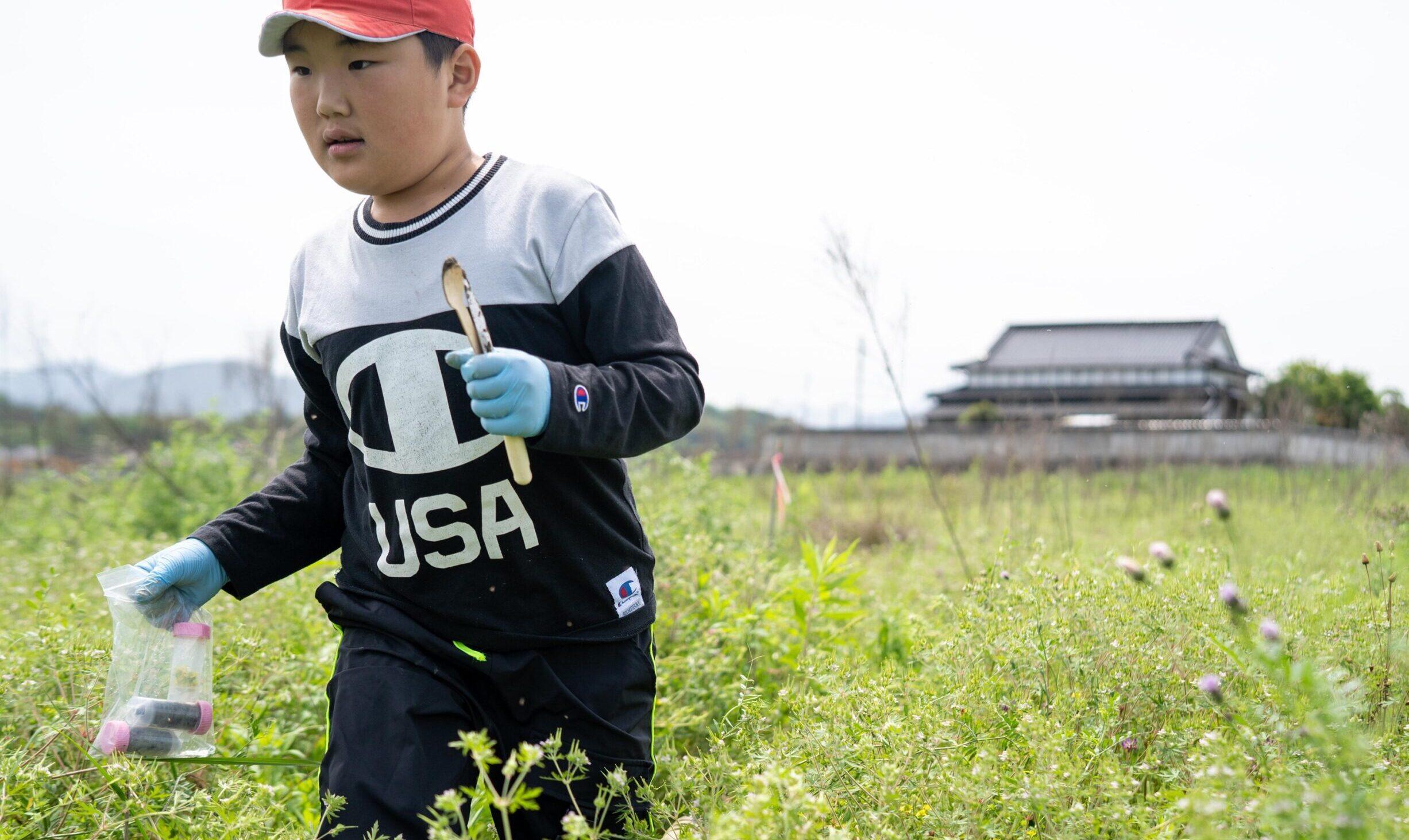
Now, let’s find yeast in the fields! Bread is born from our land.

“The Roadside Station for Bread (パンの道の駅)” in Kawasaki-machi, Fukuoka Prefecture, scheduled to open in 2028. This is a project aiming at community revitalization through bread, revitalizing agriculture, and creating a community. Nurturing food education is also an important theme. I wanted the children in this town to learn how bread is made. They are the future stewards of farming and food. If possible, I want them to be involved in making delicious things here in Kawasaki-machi. Truly interesting things are… You

Discuss this article ↗

パンラボ · 朝日新聞「このパンがすごい!」