Blog

2026 · 30 articles / Newest firstClear filters

2026 / 11

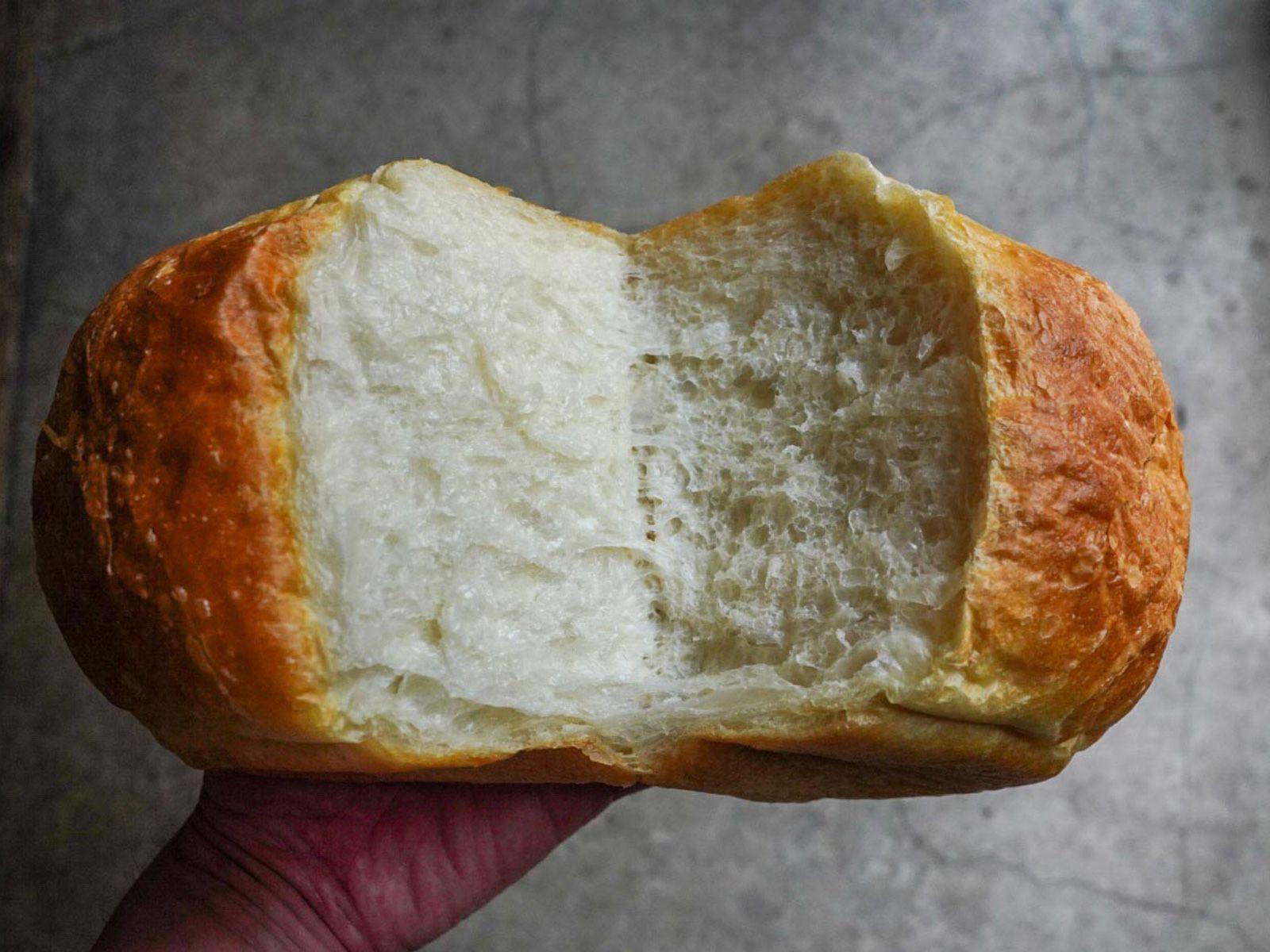
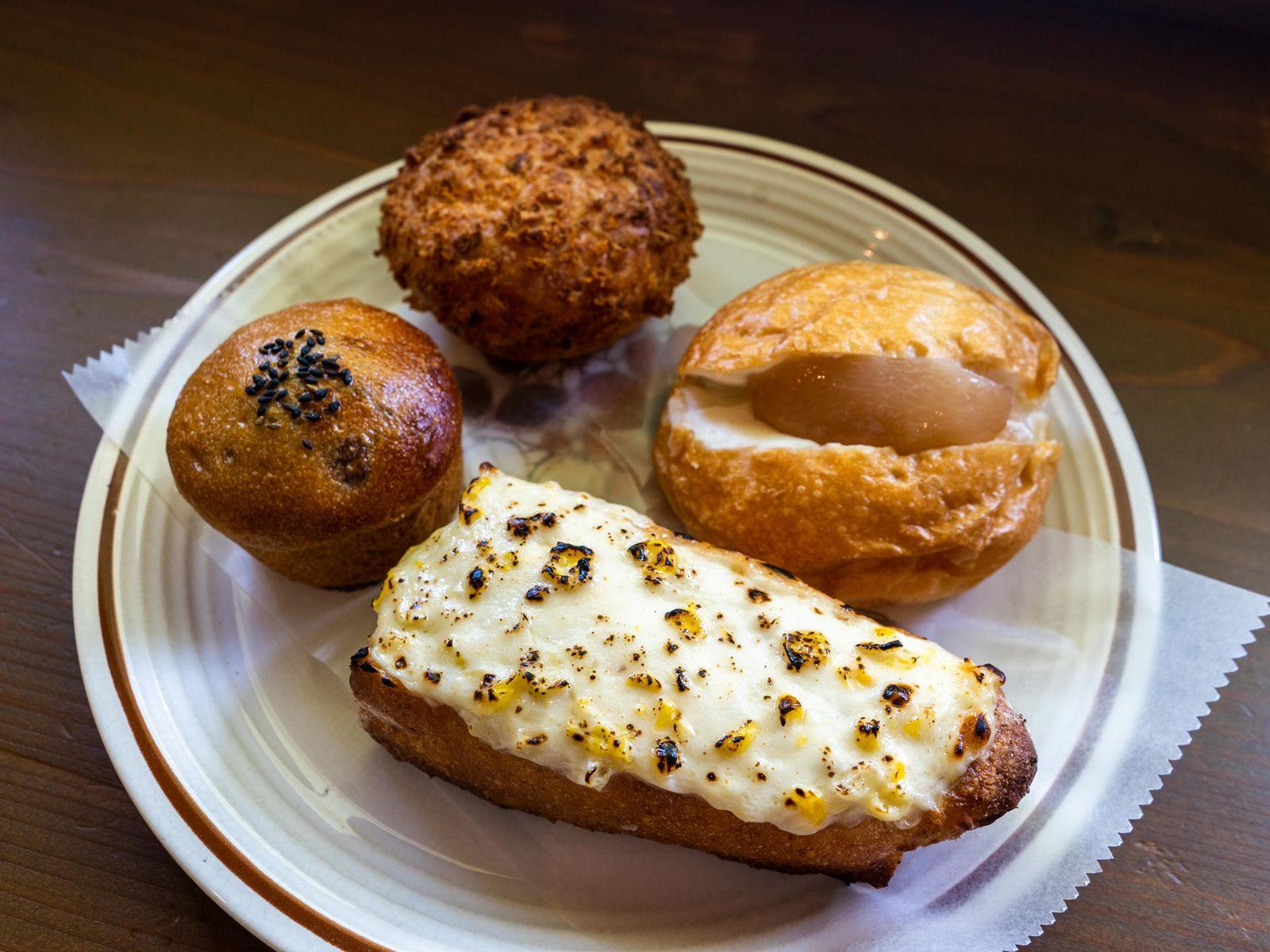
Taste lingers in after enjoyment — A promising new bakery that brightens the shopping arcade of a housing estate in Yokohama / Pan Opiedra (Kanagawa Prefecture)

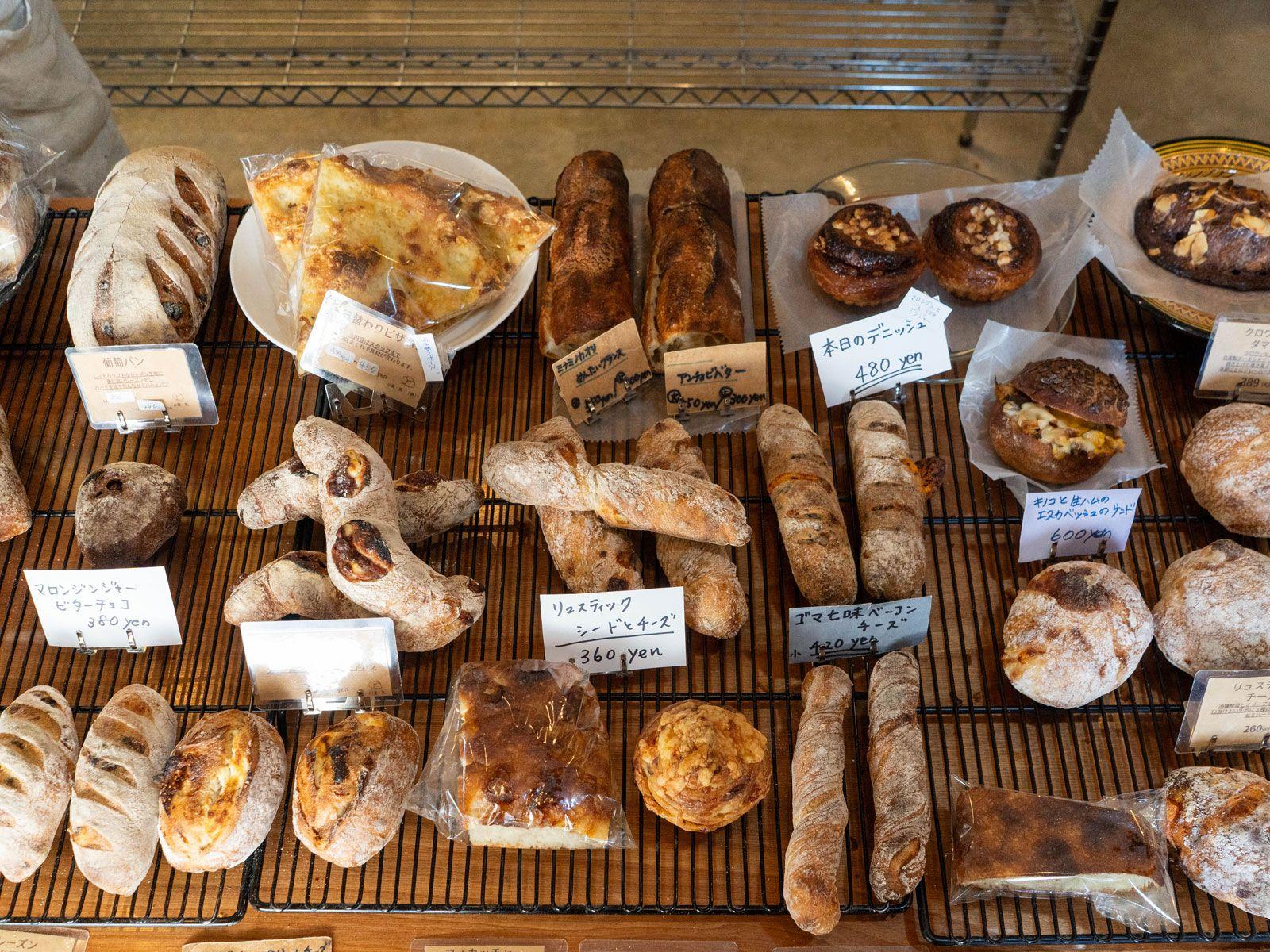
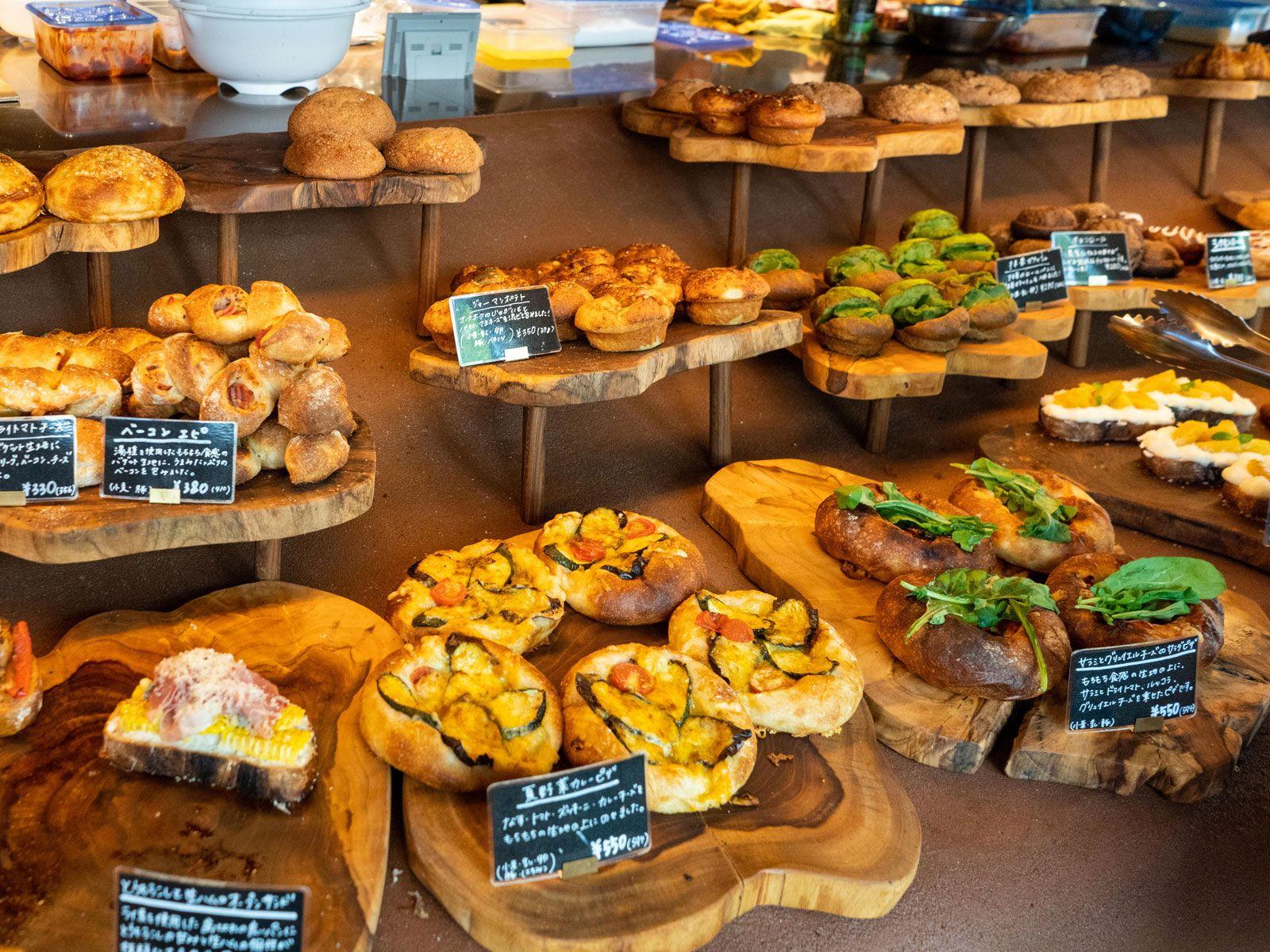
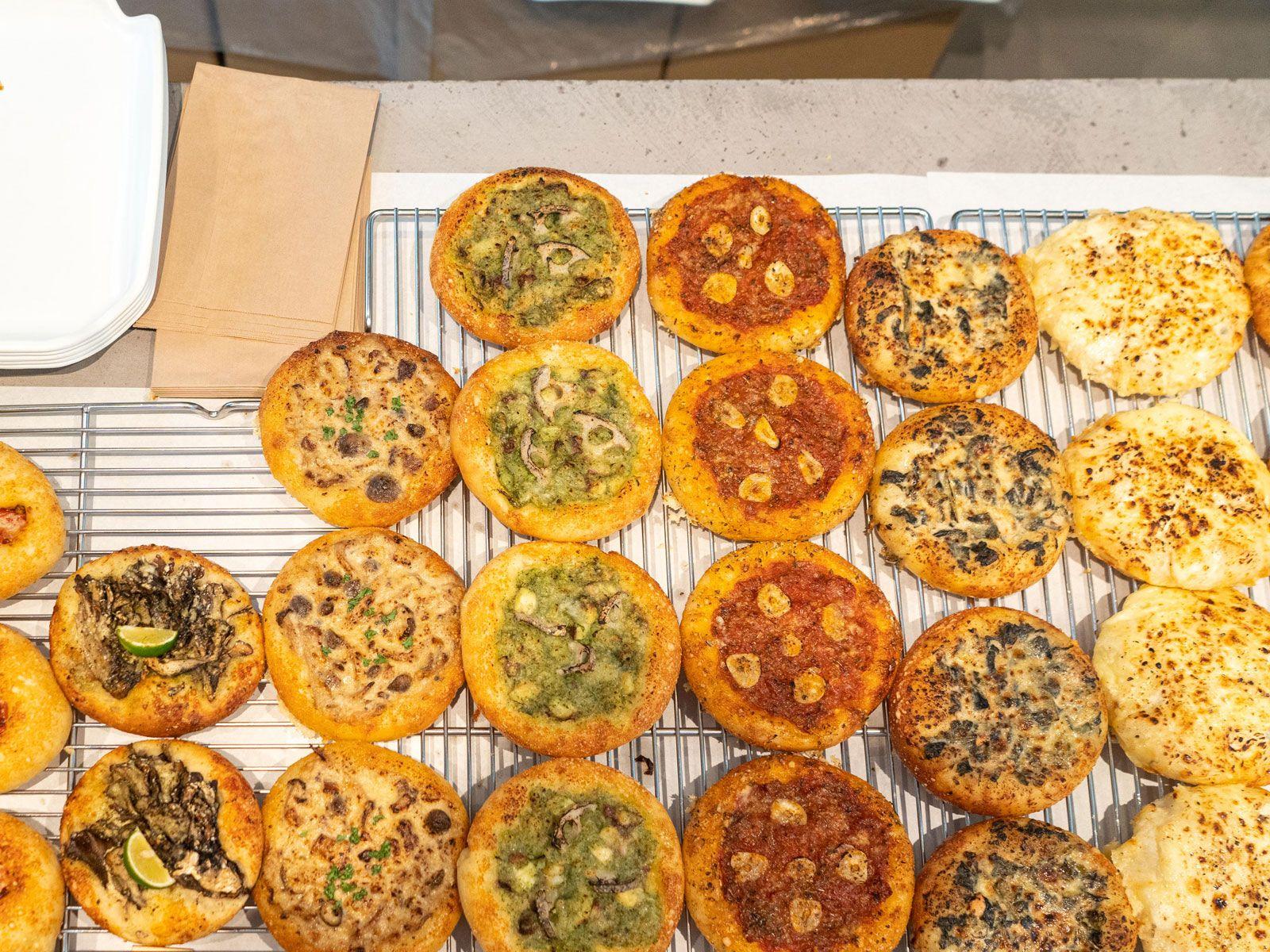
In a Shōwa-era scene like the period of Japan’s high economic growth as seen in news footage, the exterior of a Reiwa-style bakery with exposed concrete walls looks like a spot-the-difference puzzle. Inside the small shop, an unexpectedly large variety of breads was lined up, which instantly lifted my mood. Big sourdough shares the space with pastries such as Danish and cardamom rolls—evoking memories of a Nordic bakery.

Discuss this article ↗

Let’s talk about hard-style breads—the “dream bakery” that turns the community.

There is an unseen crisis. Behind the bread boom, staffing shortages at bakeries are serious. Even bakeries that make headlines in the media can’t seem to get people to come in. On top of that, with skyrocketing ingredient costs and rising labor costs, bakeries’ continued existence is in a pinch. That’s precisely why we want to talk about “dreams.” By imagining an ideal future, could we create a new business model? With that motivation, we planned a three-person roundtable event. The guests were

Discuss this article ↗

There was a “French” in the shopping street of the housing complex / A traditional boulangerie met in Kashiwa / Pain Esuchukure (Chiba Prefecture)

A traditional boulangerie that seems to have fewer outlets than in its heyday. I found this presence—one that could even be called a luxury nowadays—in a rather unexpected place. In Kashiwa City, Chiba Prefecture, among rows of housing complexes, there is a shopping street. A blue wall visible through the glass windows, and the shape of the breads lined up—so much like France.

Discuss this article ↗

2026 / 10

A hundred different kinds of Koguratōst—and a stamp rally with over 50 shops, too—walking through the food culture nurtured in Nagoya

There is an activity called the Koguratōst Promotion Committee. It was created with the aim of spreading the appeal of Koguratōst, a soul food of Nagoya, and passing it on to the next generation. It designates September 10 as “Loving Koguratōst Day” and holds a Koguratōst stamp rally. I, too, visited Nagoya and did my pilgrimage of Koguratōst while collecting stamps. It was an experience that let me catch a glimpse of the hearts of Nagoya people—something I, as an outsider, would not be able to truly understand.

Discuss this article ↗

2026 / 09

Impeccable croissants glowing a golden color—A one-of-a-kind personality found in Sangenjaya / CRESALTA BAKERY (Tokyo)

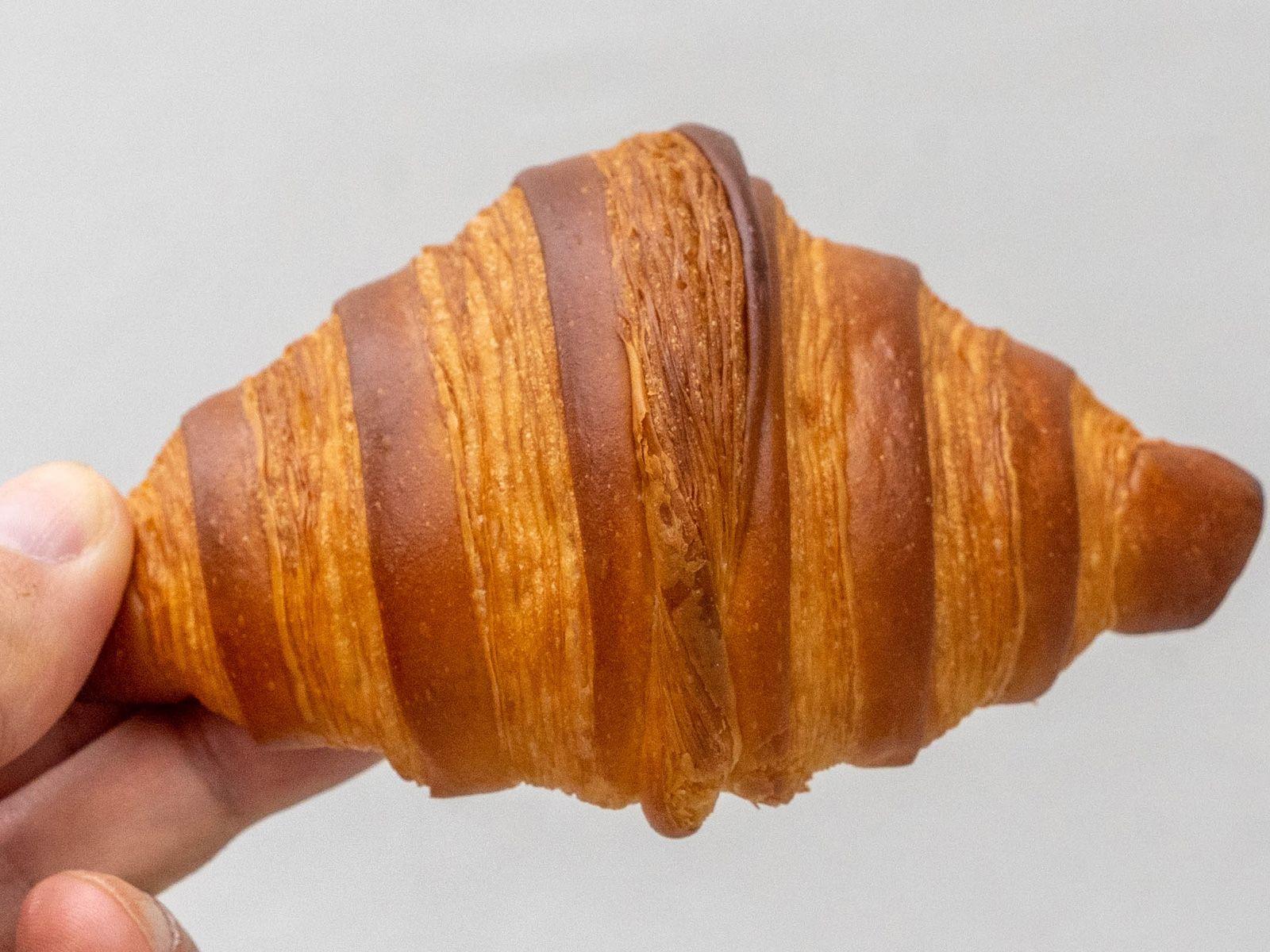
In a back street area of Setagaya and Sangenjaya, tucked away as if hiding, on the first floor of a residential apartment building, there was a small, understated sign that read “CRESALTA BAKERY.” The moment you open the door, the croissants were placed in the most eye-catching position—as if to showcase their elegance. Bathed in the light shining in from the window, they gleamed gold.

Discuss this article ↗

Toward a new shop produced by Chef Panstock Hirayama—The secret behind breads that create ultimate melt-in-your-mouth tenderness and texture / Land Bageri (Fukuoka Prefecture)

In August, “Land Bageri (Land Bageri)” opened in front of Hakata Station. The producer is Chef Tetsuo Hirayama of Panstock in Fukuoka—the temple of high-hydration, ultra-fermented bread. The location is Meiji Park, newly renovated by architect Sōsuke Fujimoto, who designed Osaka/Kansai Expo’s “Da-ya-nen Ring.”

Discuss this article ↗

Cinnamon rolls with the finest milk bread—A young craftsman in Mito and his overflowing curiosity about domestic wheat / THE FLYER BAKERY (Ibaraki Prefecture)

The stylish and delicious bread shop was in a rather unexpected place. In the suburbs of Mito, right in front of a bus stop. Several buildings cluster together, with a courtyard in the middle, and umbrellas and terrace seating lined up. When you go into one of the buildings, there’s a stylish bakery attached to an apparel shop.

Discuss this article ↗

2026 / 08

A “new wave” at an old-established bakery in Gotemba—Croissants with a new texture that breaks conventions / Boulanger Beck Fan (Shizuoka Prefecture)

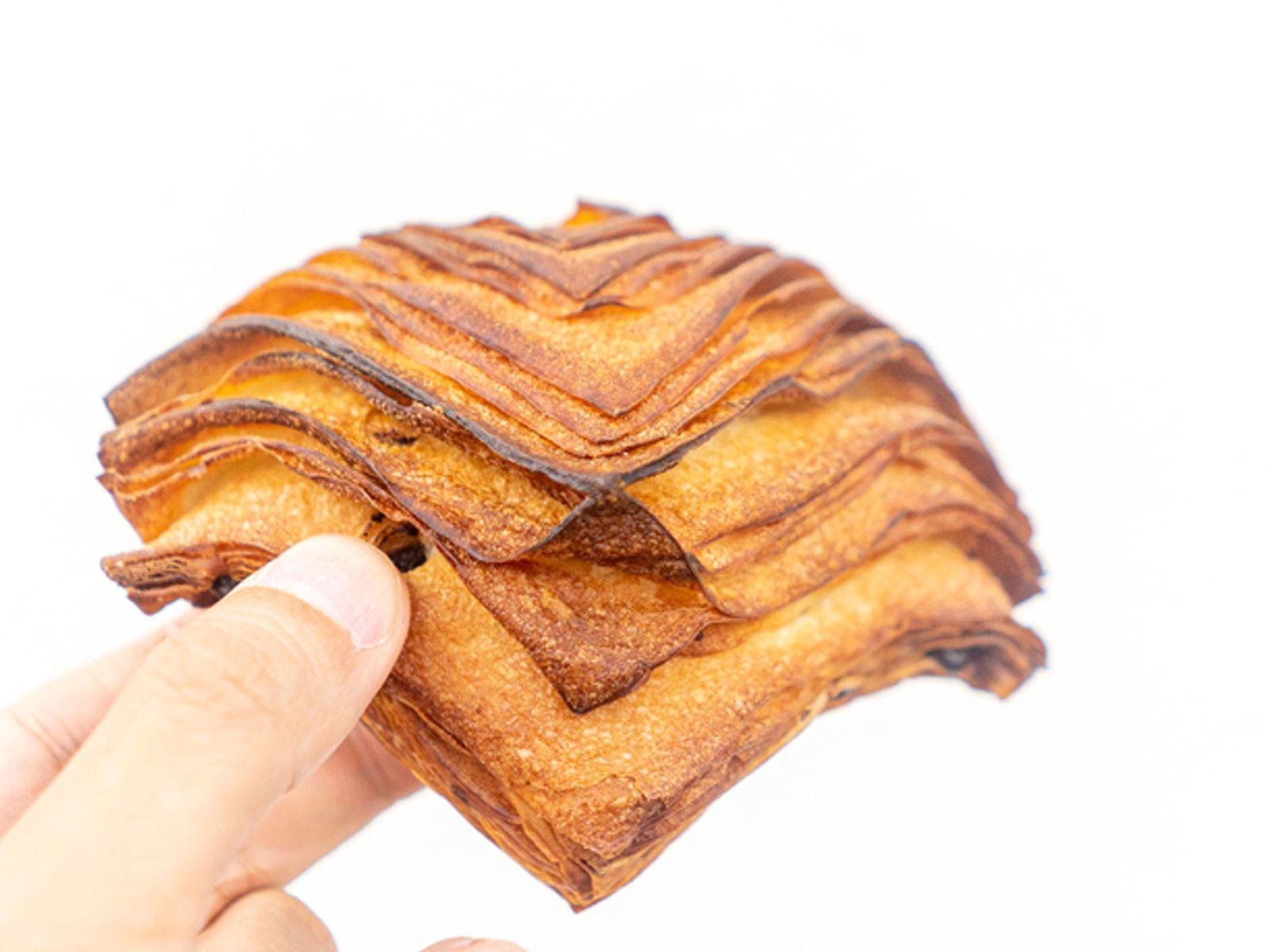
Gotemba, the gateway to Mount Fuji. After leaving behind the station area with hikers carrying large backpacks and families in tow, you walk through a tucked-away shopping street. And that’s where you find the red awning bakery, “Boulanger Beck Fan.” With more than 100 varieties of bread lined up, fresh loaves keep coming out until the afternoon. Above all, the texture of the croissant dough is beyond common sense—and outstanding.

Discuss this article ↗

Breads that look ordinary at first glance—Try them and be amazed by their originality and shock / siro (Tokyo)

The place I visited this time was “siro” in Mitaka, Tokyo. There are hardly any breads that make you think, “Ah, yes, that one.” When I ate it, I was surprised. It’s a barrage of breads that catch you off guard—like, “Can that kind of texture exist?” “From here, it’s going to come to that?!”—and then you can’t help but grin afterward.

Discuss this article ↗

2026 / 07

Peach, sweet potato, corn… Bread featuring seasonal ingredients from Kyushu / konatsumugi Pan to Oyatsu to (Kumamoto Prefecture)

The shop this time is “konatsumugi Pan to Oyatsu to” in Kikuchi City, Kumamoto Prefecture. In an area where agriculture thrives, the sales floor lines up breads made from tasty things grown nearby—everything from produce like peaches, corn, and sweet potatoes, to bread made with sausage and ham as well.

Discuss this article ↗

A new bread culture spreading from a shop surrounded by grape trellises in a famous wine-producing region / Pan to Kajimoto (Koshū, Yamanashi Prefecture)

If you walk through the settlements of Kōshū and Katsunuma, you’ll find grape fields anywhere you look. When you look far off, grape trellises continue all the way up the slopes of hills that surround the soil shaped like a mortar. Could there even be a bakery? …As it turns out, yes. The person who welcomed me at “Pan to Kajimoto” was surrounded by grape trellises laid out over the bakery’s grounds.

Discuss this article ↗

2026 / 06

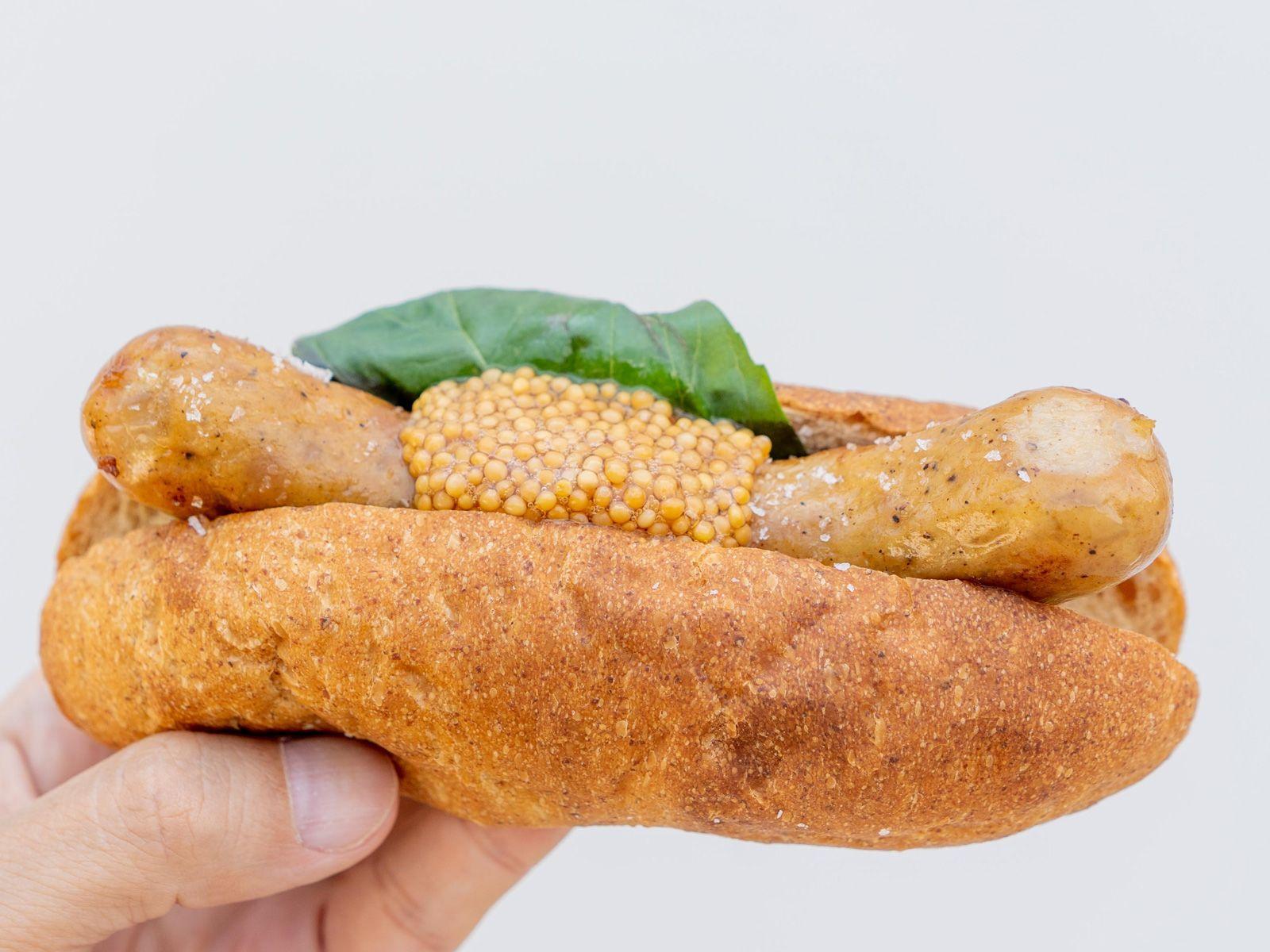
A hot dog that makes flavors explode every time you take a bite—A silver container that carries deliciousness / SAHARAN SALT CLUB (Shibuya-ku, Tokyo)

A silver container on a street corner. From Aoyama-dori (246), down a side alley next to the former Kodomo no Shiro toward Meiji-dori. In the gap between buildings, it appeared. It stood out so much it could be seen from far away, and people gathered around as if trying hard at something. If you look closely, it’s a hot dog. Thick sausages protrude from the bread, and gold-colored mustard seeds top it—one look is enough to tell it’s something special.

Discuss this article ↗

2026 / 05

In a beautiful spring-water place, “bread only found in Ehime” / aoitori BAKERY (Matsuyama)

In the outskirts of Matsuyama, Ehime Prefecture, Minamitakai-chō. It’s a town of bread where major roads run both ways and many large, popular bakeries are scattered about. If you follow a side path, you come to a bakery door. When you open it, a mountain-high display case of biscuit-style (yoku yaki) breads is right in front of you. And above that, a sculpted blue bird is perched.

Discuss this article ↗

Going out to search for the local wheat—The first step taken by “Miyagi Mugito”

“I want to leave something behind for the future.” “Miyagi Mugito,” formed by Miyagi bread craftsmen who united their feelings. Their goal is, through an initiative of baking bread with locally produced wheat, to discover ingredients in which you can feel the producers’ faces and terroir, then support them by buying from them and helping them grow. For that, they couldn’t just take a wait-and-see attitude—they had to go out into the field themselves. Sendai City “THE BREAD BAR” Kenji Kojima Sendai City “Boulangerie Giraffe”

Discuss this article ↗

“Milk furans” and “melon pans”—A collection of wholehearted items made to delight people who eat them / pan to anata (Asao-ku, Kawasaki City)

Shin-Yurigaoka, created by cutting through the Tamako hills, is nothing but slopes, and then more slopes—everywhere you go. You climb the slope road in May, where azaleas bloom in the sidewalk planting beds, and it makes you feel breathless. The excitement isn’t only because you’re running out of breath. It’s because you’re about to enter a secret base. “Pan to Anata” is an unusual business model with full reservations only. Open the secret door you can’t enter unless you have a reservation.

Discuss this article ↗

2026 / 04

A new map of real bread begins in Tohoku—The attempt called “Miyagi Mugito”

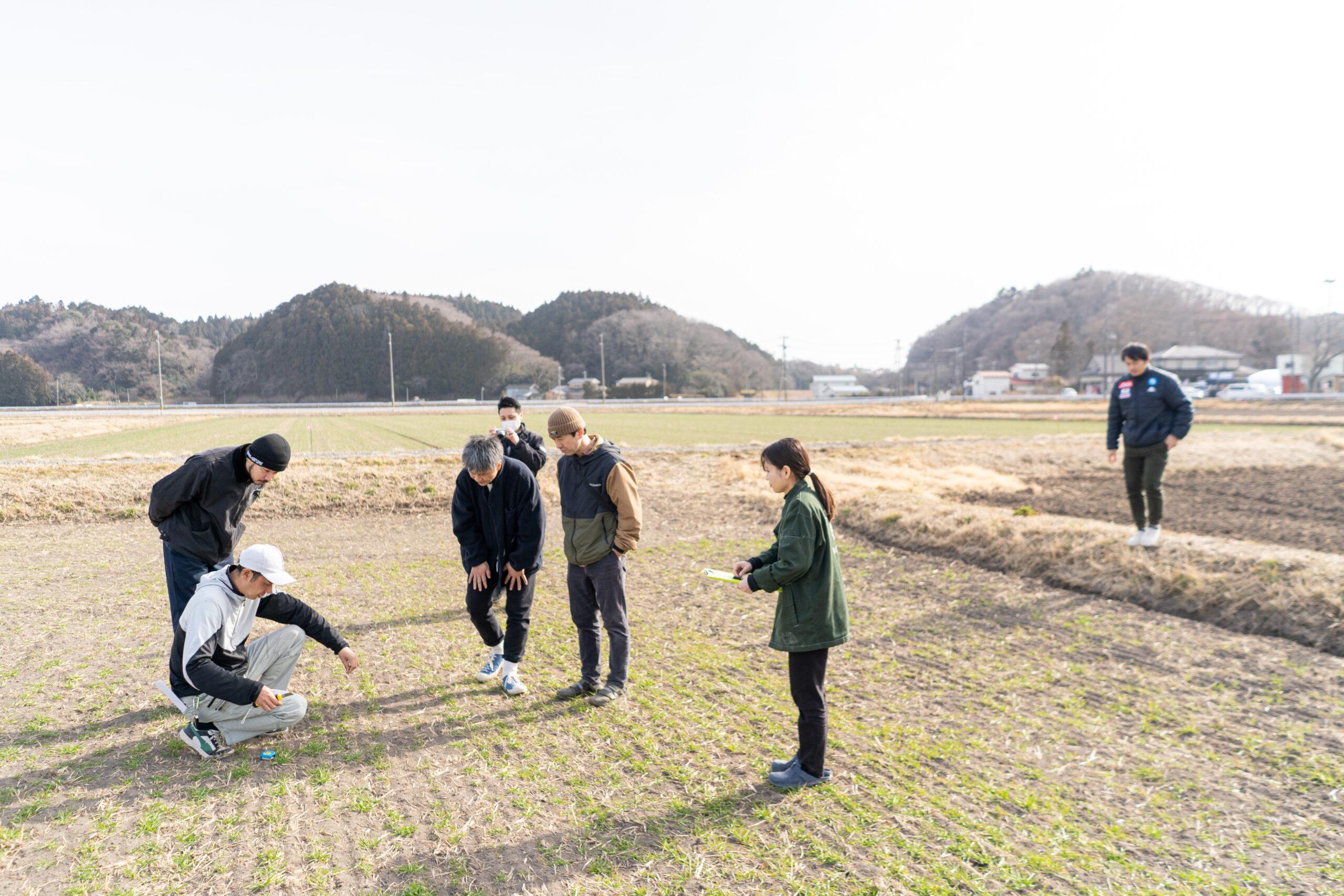
At a get-together table, something shifted. In 2025, at a get-together after a tour of wheat fields of the powerful local variety “Natsu-Kogane” (summer golden) in Miyagi Prefecture, subtle conversation sprang up among the bread craftsmen. “We’ll do something.” “We want to use local materials.” “I want to leave something behind for the future.” It was with that momentum of craftsmen that they formed the bread craftsmen’s group “Miyagi Mugito.” This time, shops handling locally produced wheat are popping up one after another…

Discuss this article ↗

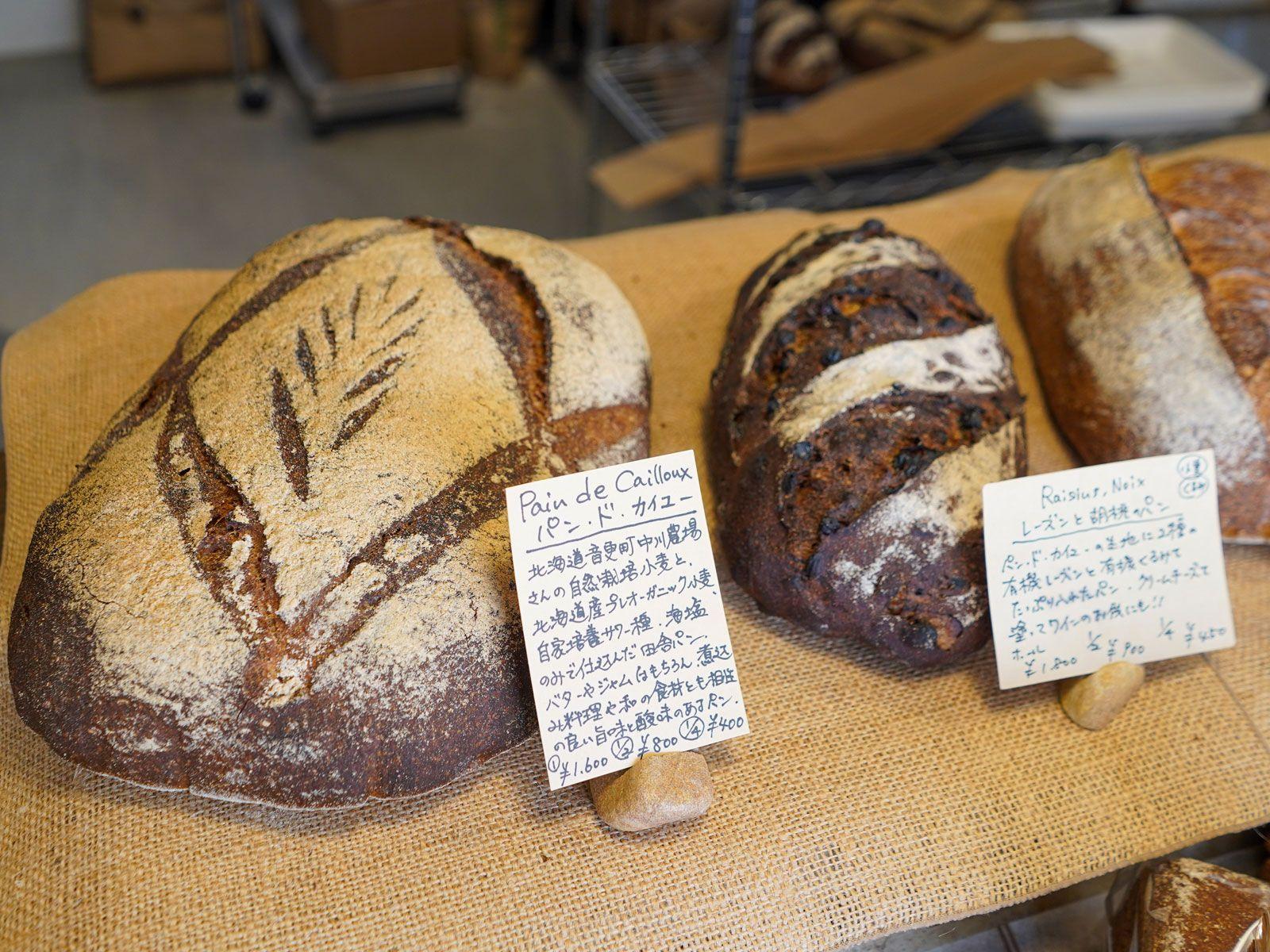
The “stone-like bread” I had longed for—Fresh dough and the flavor of wheat / Cailloux (Kamakura, Kanagawa Prefecture)

Beyond the spot where I pushed my bicycle up while breaking into a sweat lies what’s called the Kitakamakura-dai residential district. To see a town on top of a mountain like this—exhausted as I was—it looked like a miracle, like Machu Picchu, right in front of my eyes. There’s even a short shopping street. On both sides of a pedestrian heaven area, you’ll find cafés, taiyaki shops, and fish shops lined up—and among them, “CAILLOUX” (Kairū) in handwritten lettering, as if probing the limits of whether you can read it or not. This is a bakery on top of a mountain in Kamakura.

Discuss this article ↗

Bringing the atmosphere of the bread and cafes I experienced in Tokyo back to my hometown / Maison de l’Amitié (Oshu, Iwate Prefecture)

Mizusawa in Oshu, Iwate Prefecture, was an image of a distant town in the far north. In early spring, my feet headed there because I felt the heat behind posts on Instagram. Not only breads that looked delicious, but also collaboration events with coffee and pop-up events—there were some interesting moves that were a bit different from ordinary bakeries.

Discuss this article ↗

2026 / 03

Making Baguette Sandwiches a Reality: The New Culture Created by Siblings / MISAKI BAKERY (Hiroshima City)

A corner across the old Ōta River (Hon-kawa) from Peace Memorial Park, where the Atomic Bomb Dome stands. In recent years, distinctive cafés, bookstores, and vintage clothing shops have been popping up one after another, drawing people with a high level of sensitivity. The driving force behind the culture in the Hon-kawa area (かいわい) is “MISAKI BAKERY.”

Discuss this article ↗

Bread People Series Vol. 7 “Ryōtarō” Watanabe Ryōtarō Chef

A serialization in which we carefully interview game changers who have had a major impact on the evolution of Japanese bread. This time, the protagonist is Ryōtarō Watanabe, a bread artisan who leads the Nagoya bread scene. To draw out umami and sweetness from wheat, what he focused on was fermentation that is traditional to Japan—kōji. Combined with the fermentation culture of Tokai, Nagoya became an advanced region for bread that draws attention from all across Japan. Behind such remarkable activity, there were long years of grinding it out, as he pursued his ideal bread…

Discuss this article ↗

2026 / 02

Rich Time and Stories with Bread—Fukuoka, Making It and Running It Solo / in the time

In a clean white shop, working alone was Chef Kenichirō Miyaji. He handled everything himself: production, customer service and product explanations, and shelf organization. Even on weekdays, customers never stopped coming; the breads kept disappearing one after another, and when someone went to buy them, neither the baguette nor the sourdough could be found anymore.

Discuss this article ↗

パンラボ · 朝日新聞「このパンがすごい!」