Blog

Wheat & farming · 578 articles / Newest firstClear filters

2026 / 11

Taste lingers in after enjoyment — A promising new bakery that brightens the shopping arcade of a housing estate in Yokohama / Pan Opiedra (Kanagawa Prefecture)

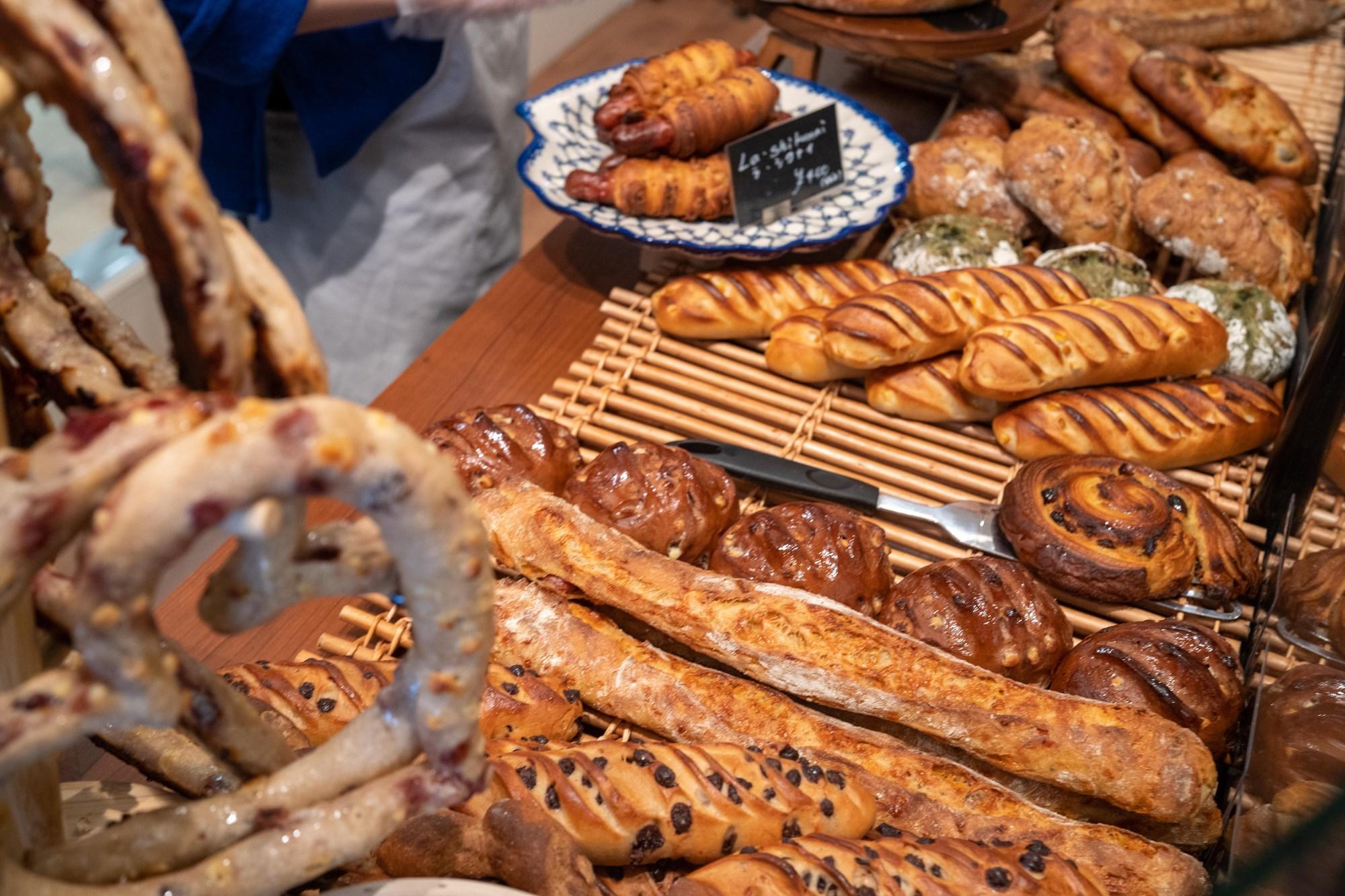
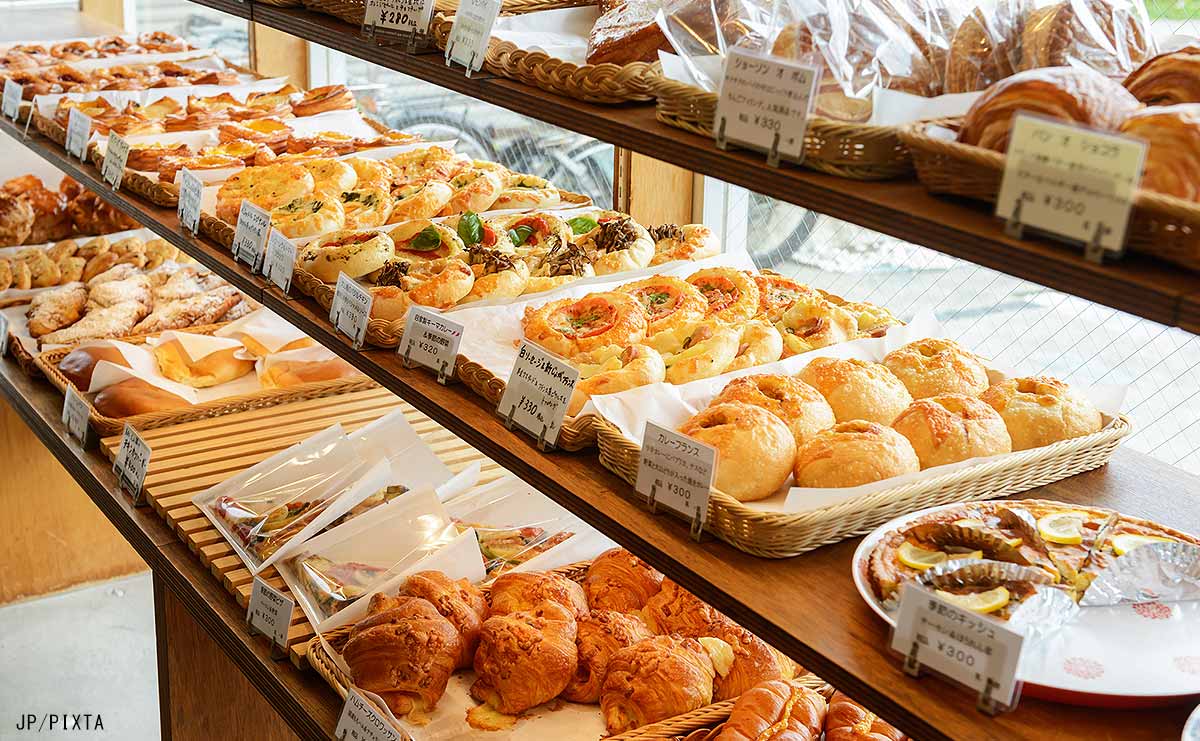
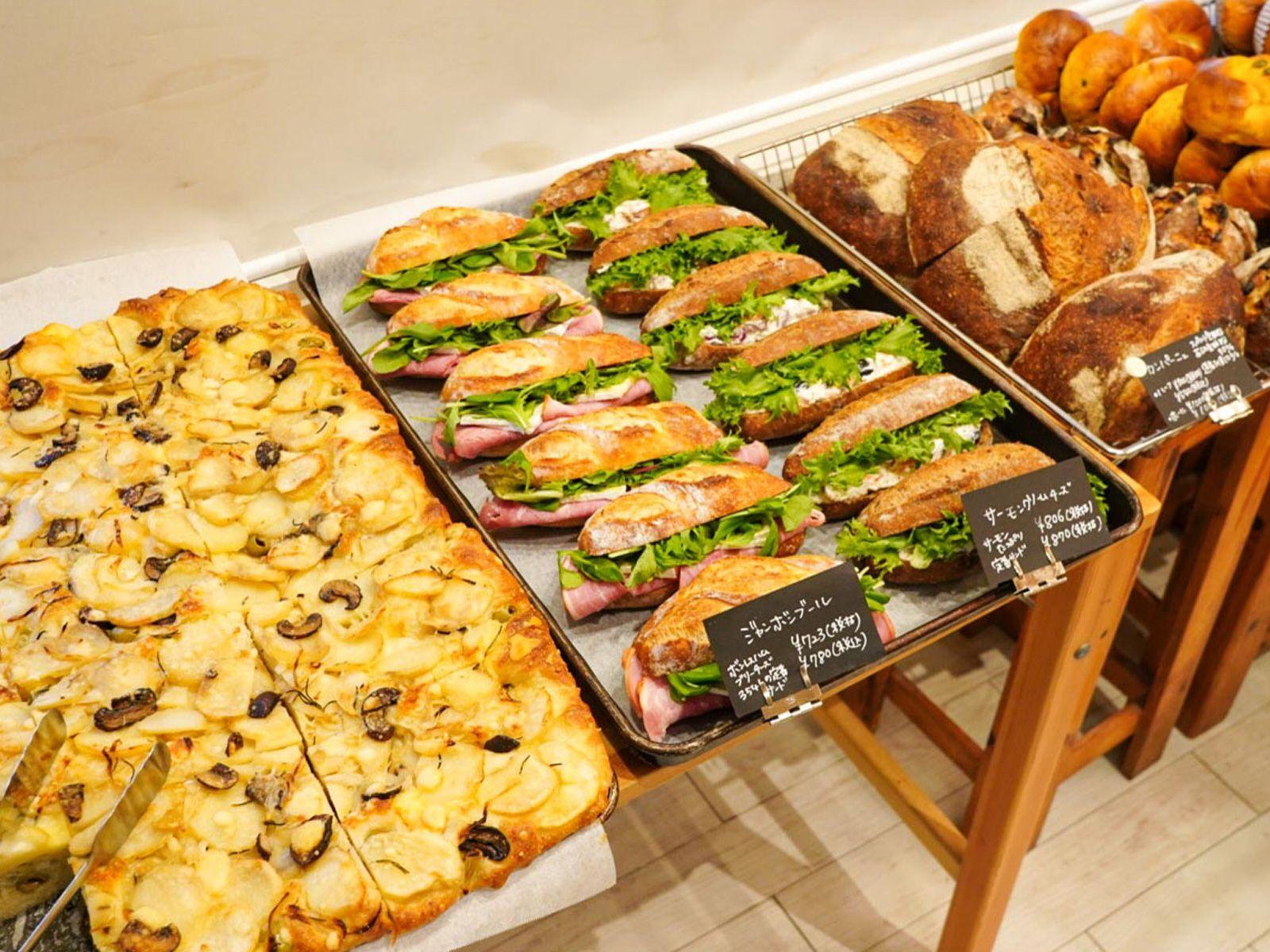
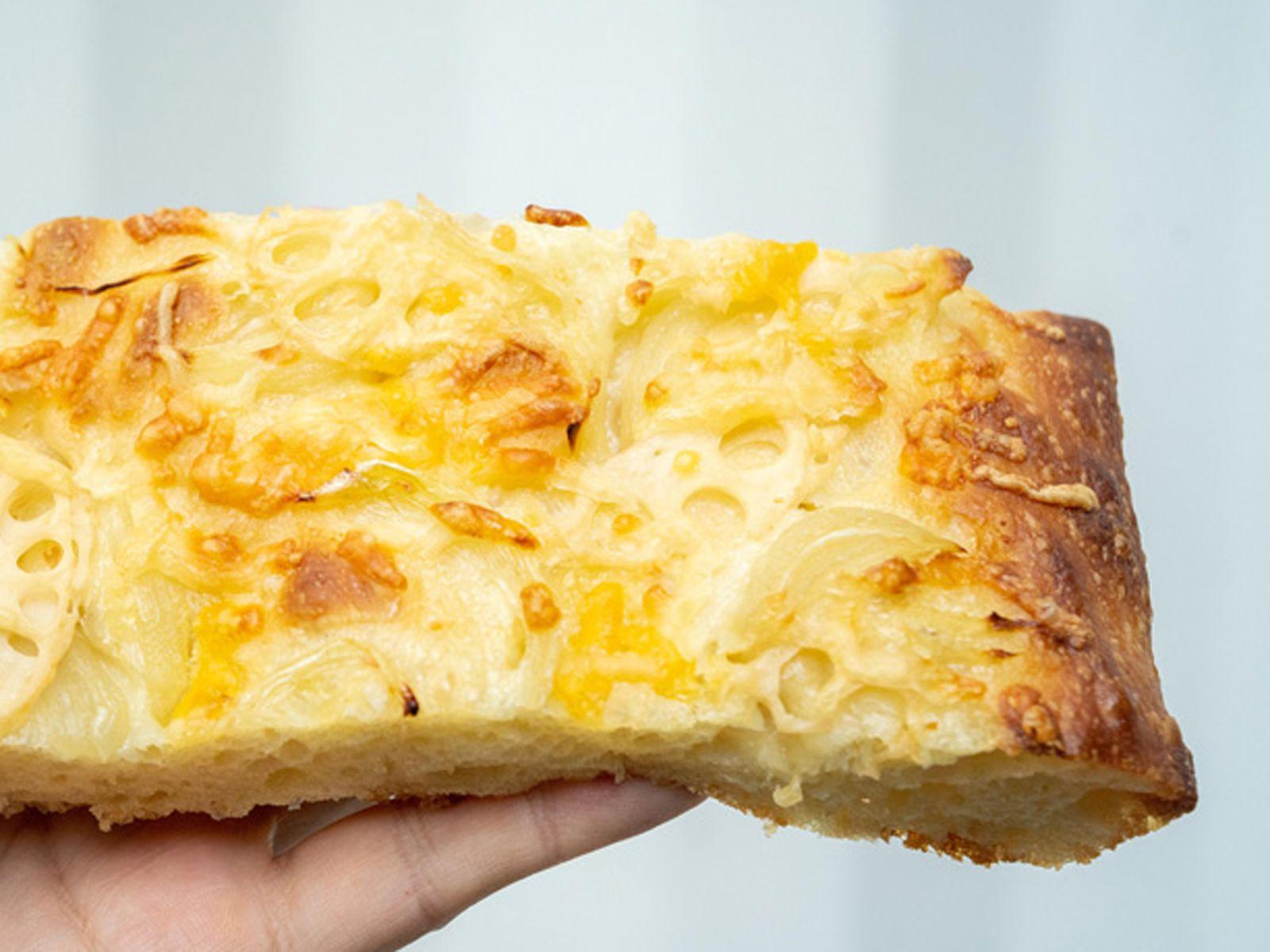
In a Shōwa-era scene like the period of Japan’s high economic growth as seen in news footage, the exterior of a Reiwa-style bakery with exposed concrete walls looks like a spot-the-difference puzzle. Inside the small shop, an unexpectedly large variety of breads was lined up, which instantly lifted my mood. Big sourdough shares the space with pastries such as Danish and cardamom rolls—evoking memories of a Nordic bakery.

Discuss this article ↗

2026 / 09

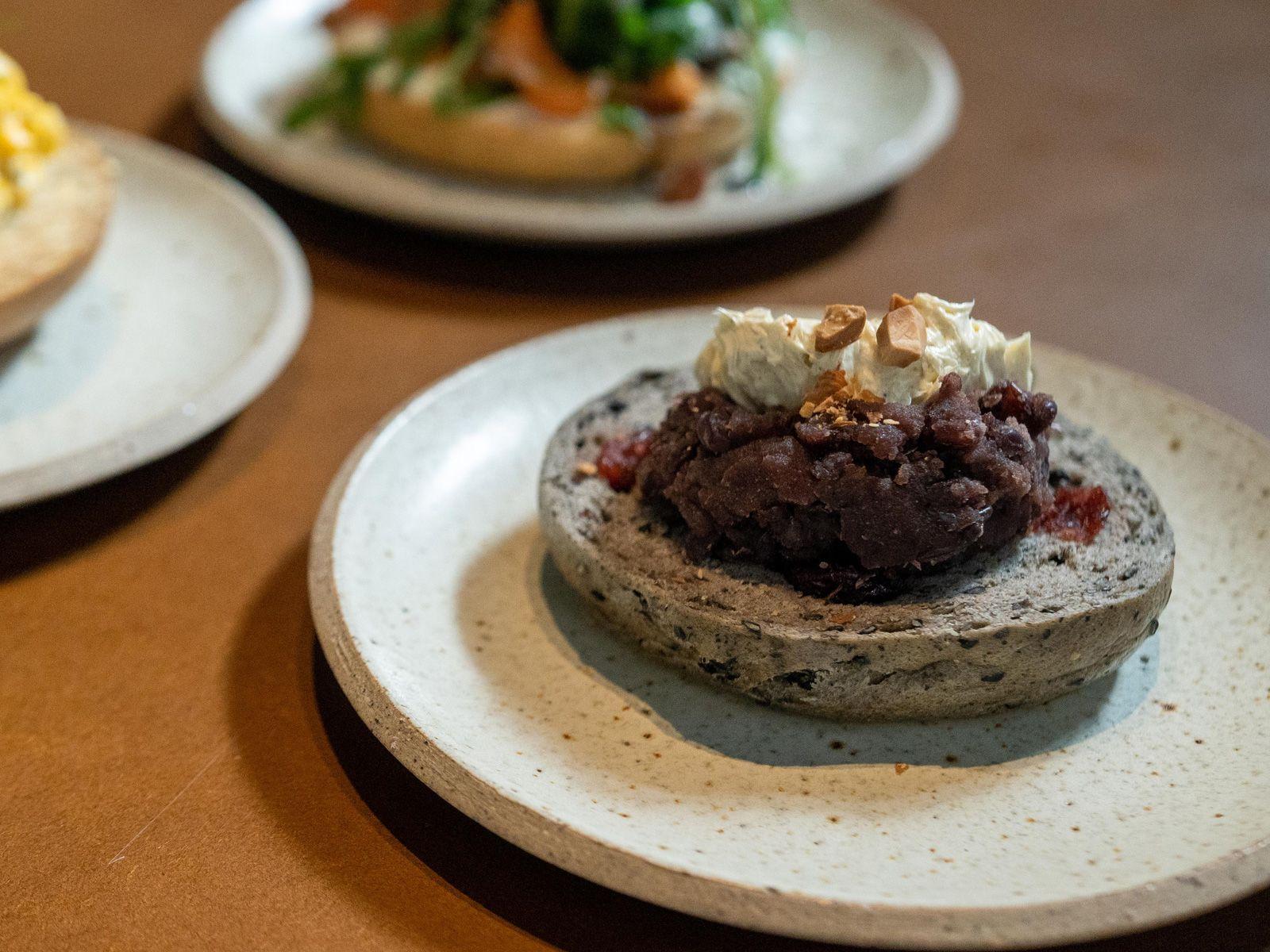
Cinnamon rolls with the finest milk bread—A young craftsman in Mito and his overflowing curiosity about domestic wheat / THE FLYER BAKERY (Ibaraki Prefecture)

The stylish and delicious bread shop was in a rather unexpected place. In the suburbs of Mito, right in front of a bus stop. Several buildings cluster together, with a courtyard in the middle, and umbrellas and terrace seating lined up. When you go into one of the buildings, there’s a stylish bakery attached to an apparel shop.

Discuss this article ↗

2026 / 07

Peach, sweet potato, corn… Bread featuring seasonal ingredients from Kyushu / konatsumugi Pan to Oyatsu to (Kumamoto Prefecture)

The shop this time is “konatsumugi Pan to Oyatsu to” in Kikuchi City, Kumamoto Prefecture. In an area where agriculture thrives, the sales floor lines up breads made from tasty things grown nearby—everything from produce like peaches, corn, and sweet potatoes, to bread made with sausage and ham as well.

Discuss this article ↗

A new bread culture spreading from a shop surrounded by grape trellises in a famous wine-producing region / Pan to Kajimoto (Koshū, Yamanashi Prefecture)

If you walk through the settlements of Kōshū and Katsunuma, you’ll find grape fields anywhere you look. When you look far off, grape trellises continue all the way up the slopes of hills that surround the soil shaped like a mortar. Could there even be a bakery? …As it turns out, yes. The person who welcomed me at “Pan to Kajimoto” was surrounded by grape trellises laid out over the bakery’s grounds.

Discuss this article ↗

2026 / 05

In a beautiful spring-water place, “bread only found in Ehime” / aoitori BAKERY (Matsuyama)

In the outskirts of Matsuyama, Ehime Prefecture, Minamitakai-chō. It’s a town of bread where major roads run both ways and many large, popular bakeries are scattered about. If you follow a side path, you come to a bakery door. When you open it, a mountain-high display case of biscuit-style (yoku yaki) breads is right in front of you. And above that, a sculpted blue bird is perched.

Discuss this article ↗

Going out to search for the local wheat—The first step taken by “Miyagi Mugito”

“I want to leave something behind for the future.” “Miyagi Mugito,” formed by Miyagi bread craftsmen who united their feelings. Their goal is, through an initiative of baking bread with locally produced wheat, to discover ingredients in which you can feel the producers’ faces and terroir, then support them by buying from them and helping them grow. For that, they couldn’t just take a wait-and-see attitude—they had to go out into the field themselves. Sendai City “THE BREAD BAR” Kenji Kojima Sendai City “Boulangerie Giraffe”

Discuss this article ↗

2026 / 04

A new map of real bread begins in Tohoku—The attempt called “Miyagi Mugito”

At a get-together table, something shifted. In 2025, at a get-together after a tour of wheat fields of the powerful local variety “Natsu-Kogane” (summer golden) in Miyagi Prefecture, subtle conversation sprang up among the bread craftsmen. “We’ll do something.” “We want to use local materials.” “I want to leave something behind for the future.” It was with that momentum of craftsmen that they formed the bread craftsmen’s group “Miyagi Mugito.” This time, shops handling locally produced wheat are popping up one after another…

Discuss this article ↗

2026 / 03

Making Baguette Sandwiches a Reality: The New Culture Created by Siblings / MISAKI BAKERY (Hiroshima City)

A corner across the old Ōta River (Hon-kawa) from Peace Memorial Park, where the Atomic Bomb Dome stands. In recent years, distinctive cafés, bookstores, and vintage clothing shops have been popping up one after another, drawing people with a high level of sensitivity. The driving force behind the culture in the Hon-kawa area (かいわい) is “MISAKI BAKERY.”

Discuss this article ↗

2026 / 02

“What on earth is this—?” The Overwhelming Attraction of Bread: A Young Artisan from Tōhoku, a Rice-Growing Region / Mugi-en

The central city of Tōhoku, a rice-growing region—Sendai. In this town, which many associate with having little to do with bread, young bread artisans are emerging. “Mugi-en,” a small bakery run by a married couple: 30-year-old Keima Miura handles production, while his wife is in charge of sales. You choose your bread while chatting through tall glass display cases.

Discuss this article ↗

How are the wheat of Hokkaido and the wheat of Honshu/Kyushu different? The “Design Blueprint” of Domestic Wheat Told by Genomes

“When you bake bread with Hokkaido wheat, the dough stretches well and rises. On the other hand, the local flour from Honshu is difficult to handle, but the flavor after baking is deep,” they say. But where does this difference come from? It comes from the wheat’s “design blueprint” = the genome. Based on the 2020 announcement of the “International Wheat 10+ Genomics Project”*1 by 10 countries around the world including Japan, which decoded the genomes of 15 varieties from around the world, this time we will discuss…wheat selection

Discuss this article ↗

2026 / 01

Varietal character creates bread culture

Hiroaki Ikeda Original PDF (pages 21–30) I, who as a bread-focused writer had been traveling nationwide to conduct interviews as a specialist, launched the NPO corporation New Wheat Collection (新麦コレクション) in 2015 together with bread artisans and wheat producers. It was because I wanted many people to learn about the wonderfulness of making bread, noodles, and sweets that begins in Japan’s wheat fields. Today, it has about 350 member bakeries and carries out initiatives in collaboration with 22 flour mills and producers nationwide.

Discuss this article ↗

Bread People Series Vol. 6 “Panstock” Hirayama Tetsusei Chef

A serialization in which we carefully interview game changers who have had a major impact on the evolution of Japanese bread. This time’s bread person is a bread shop from Fukuoka that always spreads the most cutting-edge production methods—one that has a national presence. See past Bread People serials!A residential-area bakery as the spark point for innovation! Hiroaki Ikeda This person’s end point is becoming the very forefront of bread. He evolved high-hydration, ultra-mature breads into something that everyone can get their hands on. A hit that sells several thousand per day.

Discuss this article ↗

2025 / 11

With imported prices soaring, “Japanese-grown wheat” comes into the spotlight—regional revitalization driven by local bakeries

Japan’s regional economy is declining and the country is becoming increasingly centralized in one place. In such a situation, Ikeda Hiroaki, who runs Pan Lab, says that what can serve as the ignition point for the development of a region—and help create energetic regions across Japan—is a bakery. In fact, efforts to revitalize regions through bread are already being carried out in many places around the country. In this article, we introduce specific examples as described in the book *Bread Business* (*パンビジネス*). ※This article is an excerpt and edited version of the content from Ikeda Hiroaki and…

Discuss this article ↗

I Want to Spread the Deliciousness of Domestic Wheat: A Chain of Joy Born from a Small Bread Shop / m.3546 BAKERS

The red-paved Sugitani Shōtengai that continues from Sugitani-Otsuka Station shows an elegant atmosphere typical of the Tokyu line. The small bakery “m.3546 BAKERS” that is a short walk away opens only twice a week. On those days, a line forms before the shop even opens. The narrow interior is packed with hard-style breads and sandwiches. The careful shapes and neatly arranged look suggest work done with care. Those breads belong to Yoshioka Masaru…

Discuss this article ↗

2025 / 10

Challenging Wheat Variety Improvement from Iwate: What Will Be Its Outcome?

Farmers in Shiwa, Iwate Prefecture, who once had been running at a loss with Nanbu wheat, saw yields jump to three times after switching varieties. Wheat cultivation had been a deficit no matter how much they produced. With the adoption of a new variety, the scenery that had previously been visible changes completely. What lay behind it was the existence of mochi wheat, which had been developed into products over 20 years, and what Ikeda Hiroaki of Bread Lab calls “finding what you’re good at,” carried out with as many actual demand-side users as possible. This time is about…

Discuss this article ↗

Pursuing Deliciousness and Sustainability—Creating New Value in Bread Through Effort and Technology / SAMAA_

“SAMAA_ (サマア),” a coffee shop that opened on October 1 in Setagaya, Tokyo, revived a tenement house that has been standing for over 70 years. It reportedly takes as its concept pursuing both “Deliciousness (おいしさ)” and “Sustainability,” and overcoming that contradiction with an experimental spirit.

Discuss this article ↗

2025 / 07

Surrounded by Sapporo’s forests—the softness of the dough and the way it melts in your mouth / Mori no Pan ~seasonal spot~

While driving along a forest road, we encountered a spot where a stark-white trailer was parked. Inside that long, narrow, small space, it’s a full-fledged bakery. There’s a kitchen, an oven, and a sales area. And what’s lined up there are breads made with local ingredients—something that makes your heart race with excitement.

Discuss this article ↗

Serialized Feature: Bread People Vol. 5 “Chikute Bakery” Chef Senri Kitamura

A series where we carefully hear from a game changer that greatly influenced the evolution of bread in Japan. This time’s bread artisan is a small-town bakery that puts producers’ thoughts into bread. The yeast door opened by “the kind of liking” only that could create—HIROAKI IKEDA—Just a pure “liking.” To cherish. Invisible yeasts, wheat producers, the fields where they grow, the people in the neighborhood—and the dining tables where bread rises even from there.

Discuss this article ↗

2025 / 06

Beyond “Domestic Wheat.” Connecting local fields and bread—Aichi’s local flour mill /

Hiroaki Ikeda, who presides over the Bread Research Institute “Bread Lab,” explores “real bread” that has long been loved in the region. He aims to produce the “Roadside Station for Bread” in Kawasaki-machi, Fukuoka Prefecture, opening in 2028! We’ll follow the thought process leading up to Ikeda’s launch. This time, we’ll look at the power of an Aichi local flour mill that cultivates regional land and grows bread culture. Flour turns into a living thing. From the gnawing wheat, crack the wheat using a metal millstone called the “Kanausu (金臼),” and…

Discuss this article ↗

2025 / 05

“Stone mill × roll” brings out the personality of wheat. Hybrid milling opens up a new era of bread-making

Hiroaki Ikeda, who hosts the Bread Research Laboratory (“Pan Labo”), explores “real bread” that has long been loved in the region. His goal is to produce Fukuoka’s “Road Station for Bread” (“Pan no Michi no Eki”) in Kawasaki, Fukuoka Prefecture, which will open in 2028! We’ll follow the thought process that led Ikeda to launch his business. This time, let’s talk about new “milling” that pushes the possibilities of bread-making even further. Making delicious wheat into delicious flour. Since around the late 2000s, when Japanese-grown wheat became widespread, bread bakers started visiting wheat fields on foot. They were amazed by the golden harvest there, and they began to put the effort of producers into their own bread-making. And then they started to aim to express, in bread, the flavor of each wheat variety and each land (terroir). And yet, compared with meat and vegetables, that was difficult. One reason is that wheat involves a milling process. Delicious wheat has to be milled into flour without losing what makes it delicious. The passion of bread bakers who want to bring wheat’s individuality into bread will also change the way milling is done.

Discuss this article ↗

パンラボ · 朝日新聞「このパンがすごい!」