Blog

2025 · Wheat & farming · 18 articles / Newest firstClear filters

2025 / 11

With imported prices soaring, “Japanese-grown wheat” comes into the spotlight—regional revitalization driven by local bakeries

Japan’s regional economy is declining and the country is becoming increasingly centralized in one place. In such a situation, Ikeda Hiroaki, who runs Pan Lab, says that what can serve as the ignition point for the development of a region—and help create energetic regions across Japan—is a bakery. In fact, efforts to revitalize regions through bread are already being carried out in many places around the country. In this article, we introduce specific examples as described in the book *Bread Business* (*パンビジネス*). ※This article is an excerpt and edited version of the content from Ikeda Hiroaki and…

Discuss this article ↗

I Want to Spread the Deliciousness of Domestic Wheat: A Chain of Joy Born from a Small Bread Shop / m.3546 BAKERS

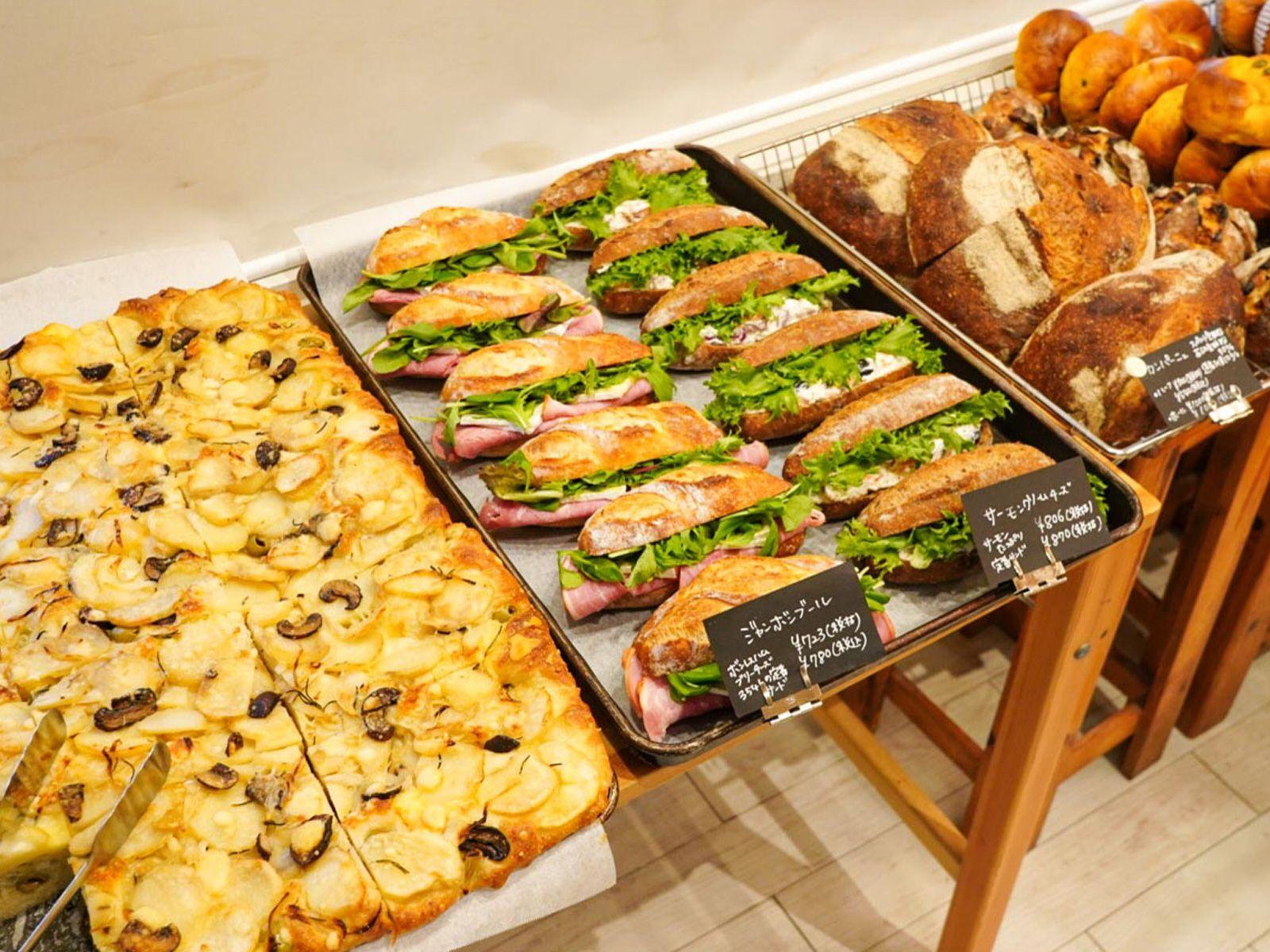
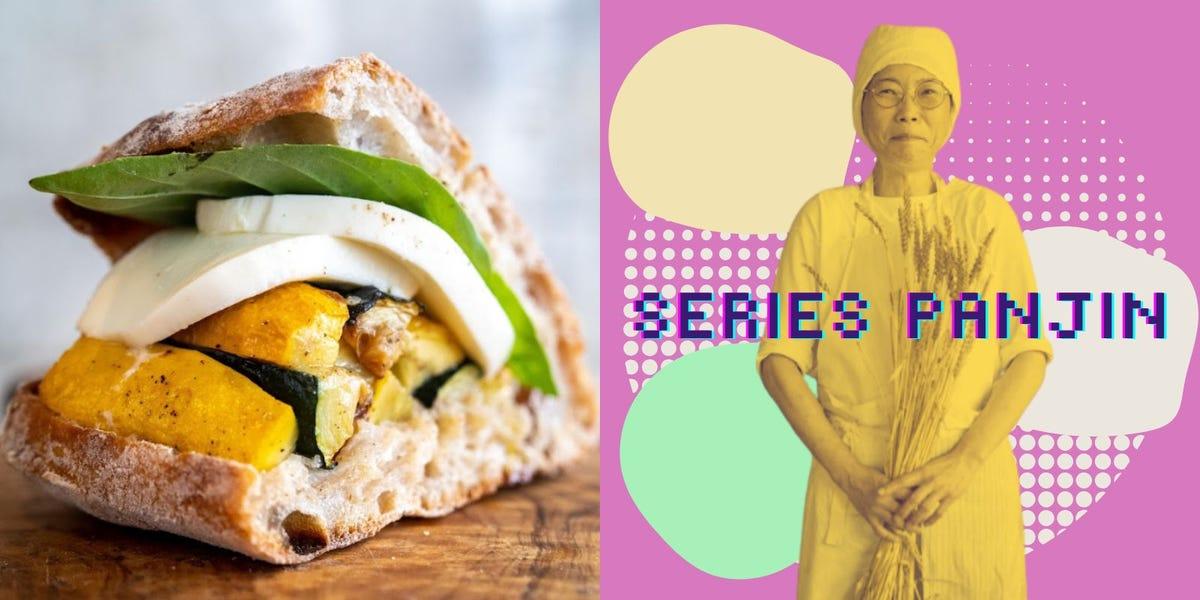
The red-paved Sugitani Shōtengai that continues from Sugitani-Otsuka Station shows an elegant atmosphere typical of the Tokyu line. The small bakery “m.3546 BAKERS” that is a short walk away opens only twice a week. On those days, a line forms before the shop even opens. The narrow interior is packed with hard-style breads and sandwiches. The careful shapes and neatly arranged look suggest work done with care. Those breads belong to Yoshioka Masaru…

Discuss this article ↗

2025 / 10

Challenging Wheat Variety Improvement from Iwate: What Will Be Its Outcome?

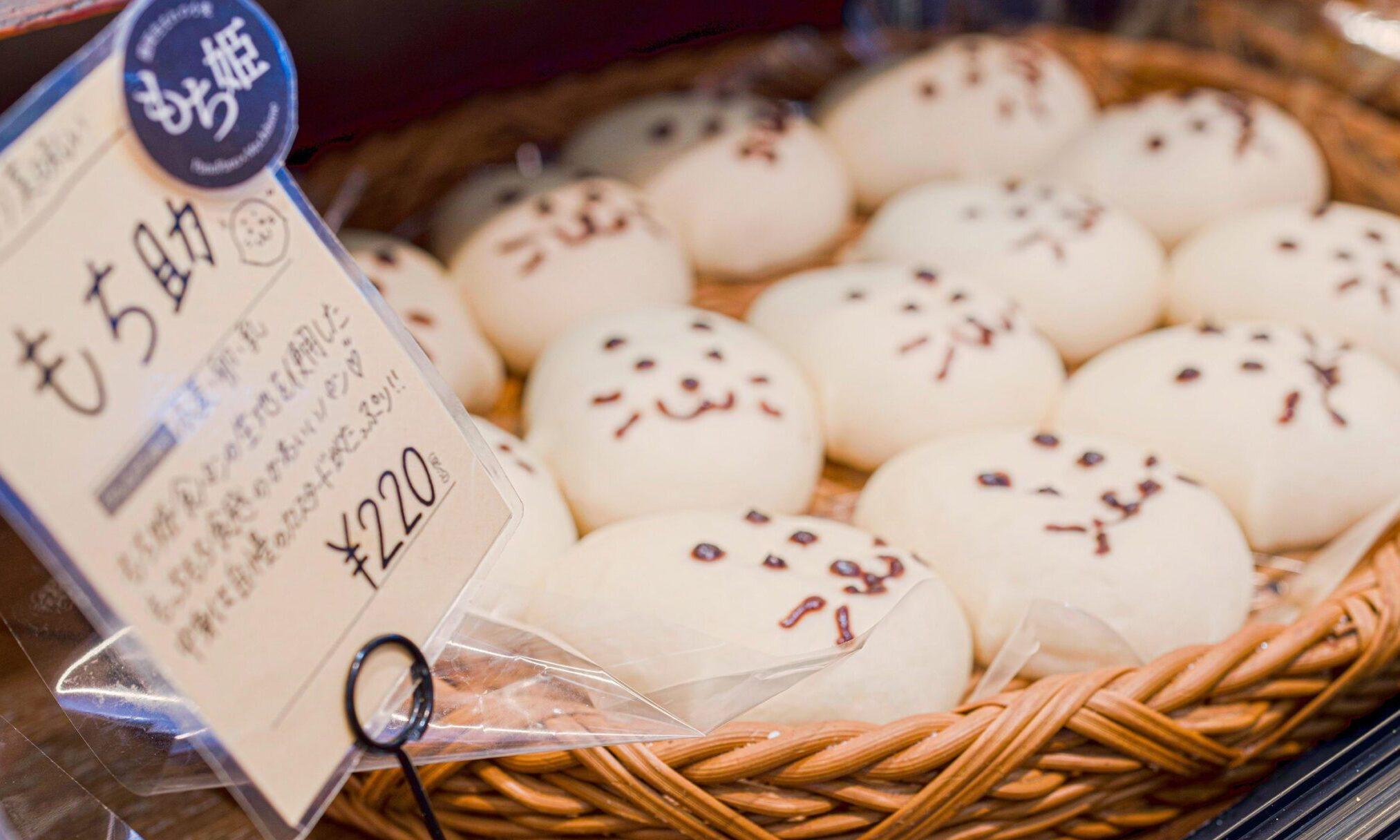
Farmers in Shiwa, Iwate Prefecture, who once had been running at a loss with Nanbu wheat, saw yields jump to three times after switching varieties. Wheat cultivation had been a deficit no matter how much they produced. With the adoption of a new variety, the scenery that had previously been visible changes completely. What lay behind it was the existence of mochi wheat, which had been developed into products over 20 years, and what Ikeda Hiroaki of Bread Lab calls “finding what you’re good at,” carried out with as many actual demand-side users as possible. This time is about…

Discuss this article ↗

Pursuing Deliciousness and Sustainability—Creating New Value in Bread Through Effort and Technology / SAMAA_

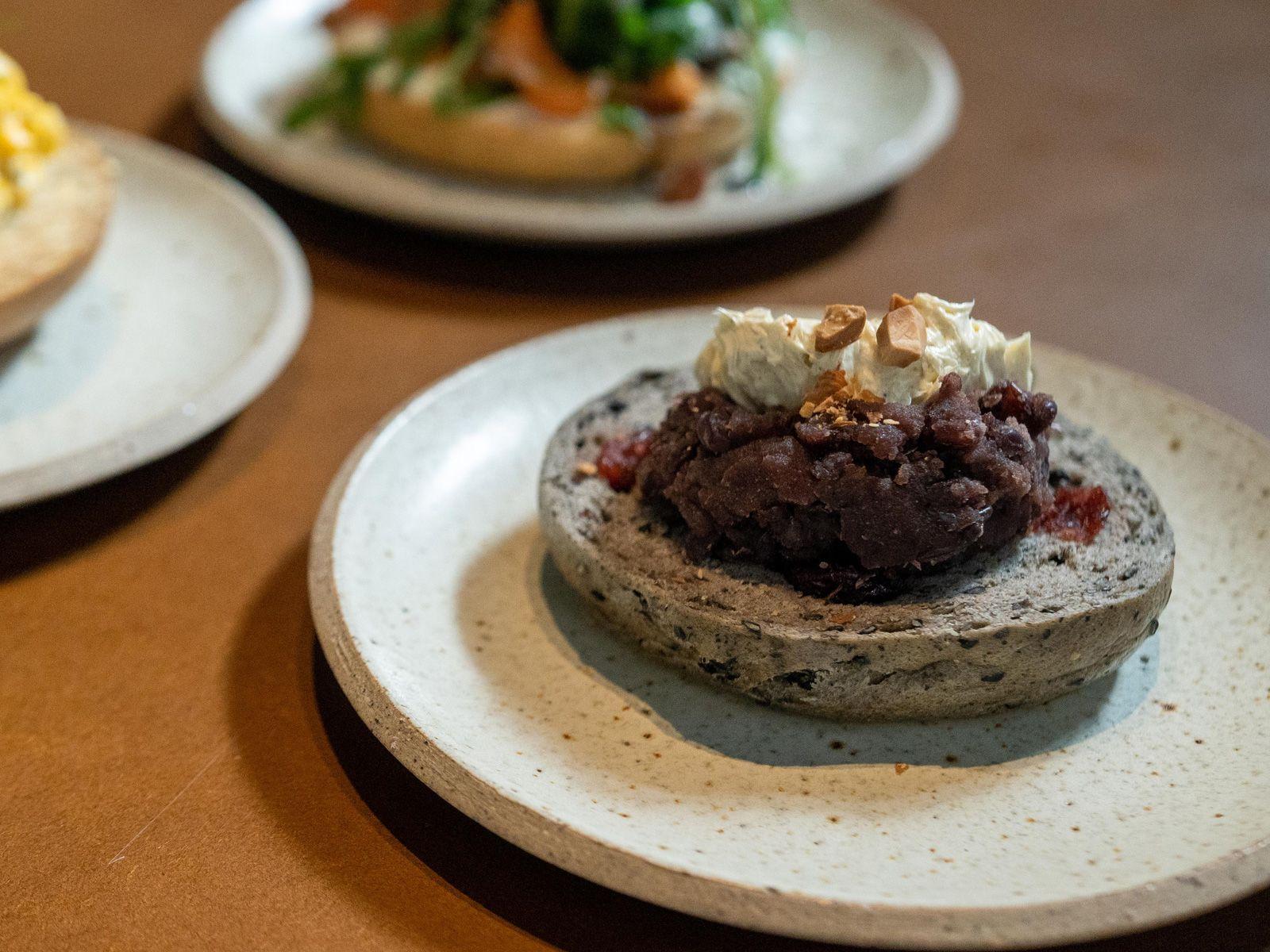
“SAMAA_ (サマア),” a coffee shop that opened on October 1 in Setagaya, Tokyo, revived a tenement house that has been standing for over 70 years. It reportedly takes as its concept pursuing both “Deliciousness (おいしさ)” and “Sustainability,” and overcoming that contradiction with an experimental spirit.

Discuss this article ↗

2025 / 07

Surrounded by Sapporo’s forests—the softness of the dough and the way it melts in your mouth / Mori no Pan ~seasonal spot~

While driving along a forest road, we encountered a spot where a stark-white trailer was parked. Inside that long, narrow, small space, it’s a full-fledged bakery. There’s a kitchen, an oven, and a sales area. And what’s lined up there are breads made with local ingredients—something that makes your heart race with excitement.

Discuss this article ↗

Serialized Feature: Bread People Vol. 5 “Chikute Bakery” Chef Senri Kitamura

A series where we carefully hear from a game changer that greatly influenced the evolution of bread in Japan. This time’s bread artisan is a small-town bakery that puts producers’ thoughts into bread. The yeast door opened by “the kind of liking” only that could create—HIROAKI IKEDA—Just a pure “liking.” To cherish. Invisible yeasts, wheat producers, the fields where they grow, the people in the neighborhood—and the dining tables where bread rises even from there.

Discuss this article ↗

2025 / 06

Beyond “Domestic Wheat.” Connecting local fields and bread—Aichi’s local flour mill /

Hiroaki Ikeda, who presides over the Bread Research Institute “Bread Lab,” explores “real bread” that has long been loved in the region. He aims to produce the “Roadside Station for Bread” in Kawasaki-machi, Fukuoka Prefecture, opening in 2028! We’ll follow the thought process leading up to Ikeda’s launch. This time, we’ll look at the power of an Aichi local flour mill that cultivates regional land and grows bread culture. Flour turns into a living thing. From the gnawing wheat, crack the wheat using a metal millstone called the “Kanausu (金臼),” and…

Discuss this article ↗

2025 / 05

“Stone mill × roll” brings out the personality of wheat. Hybrid milling opens up a new era of bread-making

Hiroaki Ikeda, who hosts the Bread Research Laboratory (“Pan Labo”), explores “real bread” that has long been loved in the region. His goal is to produce Fukuoka’s “Road Station for Bread” (“Pan no Michi no Eki”) in Kawasaki, Fukuoka Prefecture, which will open in 2028! We’ll follow the thought process that led Ikeda to launch his business. This time, let’s talk about new “milling” that pushes the possibilities of bread-making even further. Making delicious wheat into delicious flour. Since around the late 2000s, when Japanese-grown wheat became widespread, bread bakers started visiting wheat fields on foot. They were amazed by the golden harvest there, and they began to put the effort of producers into their own bread-making. And then they started to aim to express, in bread, the flavor of each wheat variety and each land (terroir). And yet, compared with meat and vegetables, that was difficult. One reason is that wheat involves a milling process. Delicious wheat has to be milled into flour without losing what makes it delicious. The passion of bread bakers who want to bring wheat’s individuality into bread will also change the way milling is done.

Discuss this article ↗

2025 / 04

“Real Bread” provided by a food select shop / DEAN & DELUCA

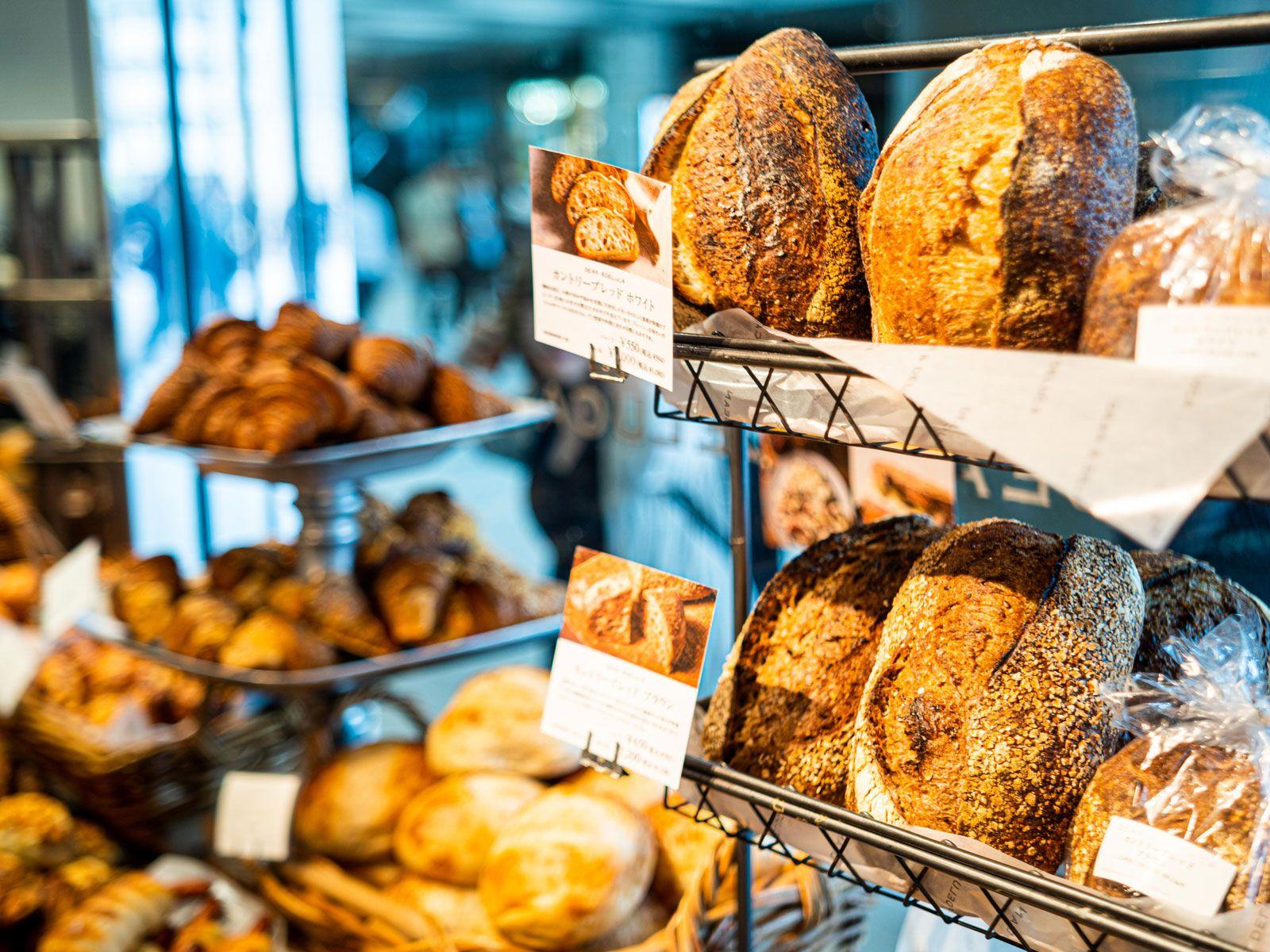
Dark-brown sphere-shaped loaves that take over the storefronts of DEAN & DELUCA across the country. Until then, the bread counters had mainly focused on pastries and focaccia, but these stand out. Starting March 15, “NEW CLASSIC BREAD,” which fully renews DEAN & DELUCA’s bread selection, began. The highlight is the country-style bread that evokes the “Tartine Bakery” on the West Coast of the United States—the holy site of sourdough…

Discuss this article ↗

The “mochutspuri” sourdough made by Kohei Kato of “KISO” in Nagoya. Sourdough Diary vol.3. Photos and text: Hiroaki Ikeda (Editor-in-chief of “Pan Lab”) #3

○Month ×Day Visiting Kohei Kato’s “KISO” in Nagoya, after he came from Fukuoka’s famous shop “Pan Stock.” The online ticket-number arrangement system sells out instantly as soon as tickets go on sale—an extremely popular shop. Perhaps it’s because the fillings are generous and the appearance is dazzling that many people are drawn to it. For example, “Chocolate Rye,” “Nut Rye,” “Fruit Rye,” “Hatcho Miso Rye,” and “Seed Rye.” From a single rye-containing dough, 5 types of

Discuss this article ↗

2025 / 03

Loved 100 years from now. “Real bread” turns the region.

“The bread that’s good brings people together”—the effort of “bread” × “the local regions,” which has been gradually growing, is one example of repurposing this energy. But first, what exactly is “local bread”? With the environment surrounding domestic wheat changing drastically, if you’re going to bake bread in a local region, you probably need to consider again what that means. Bread that continues to be loved for a long time in that land. Building relationships with local farmers, telling stories about the region’s food culture, and eventually becoming the taste of home for the children who leave the nest

Discuss this article ↗

A key to sustainability in a one-person shop with flavors from Nagano / Tempan’nue

Nishioi was what I saw from the train windows of the Shōnan-Shinjuku Line—when I actually got off, it was a quiet downtown neighborhood. One of the shops there, tucked among a shopping arcade where the lights of commerce were gradually fading, was actually something interesting. An old shop with a faded sign from the era when it sold electrical goods. If you peek inside, you find an odd space where big, rugged kampan (campagne) is lined up on the counter.

Discuss this article ↗

2025 / 02

Powerful hard-type breads that create synergy with Kagoshima-produced ingredients / Le18e

On a holiday morning, there was a long line outside the shop. When you went in, on long tables stretching deep into the back there were all sorts of delicious-looking breads, and it seemed like many people gathered as if drawn in. And that makes sense. Just the sheer fun of wandering through so many different breads that you can hardly decide what to look at—then grabbing your “prey” with tongs. In recent years, high-level shops have been opening one after another in Kagoshima, turning it into a bread mecca for southern Kyushu. And that’s also the eye of the typhoon…

Discuss this article ↗

2025 / 01

Innovative bread that brings the taste of wheat—custom milling in his hometown, Yokohama / Pan and Sweets Iroli

Sapporo’s representative pastry chef Masaya Takasaki of “Boulangerie Coronne” went independent and opened “Pan and Sweets Iroli.” Where do you start a shop with your ideal? I searched all over Japan and found the place in my hometown: Tsuzuki Ward, Yokohama City. In a simple beige-toned space with wooden tables, there are hard-type breads such as baguettes and campagne, displayed with a completion level so impressive it’s hard to look away.

Discuss this article ↗

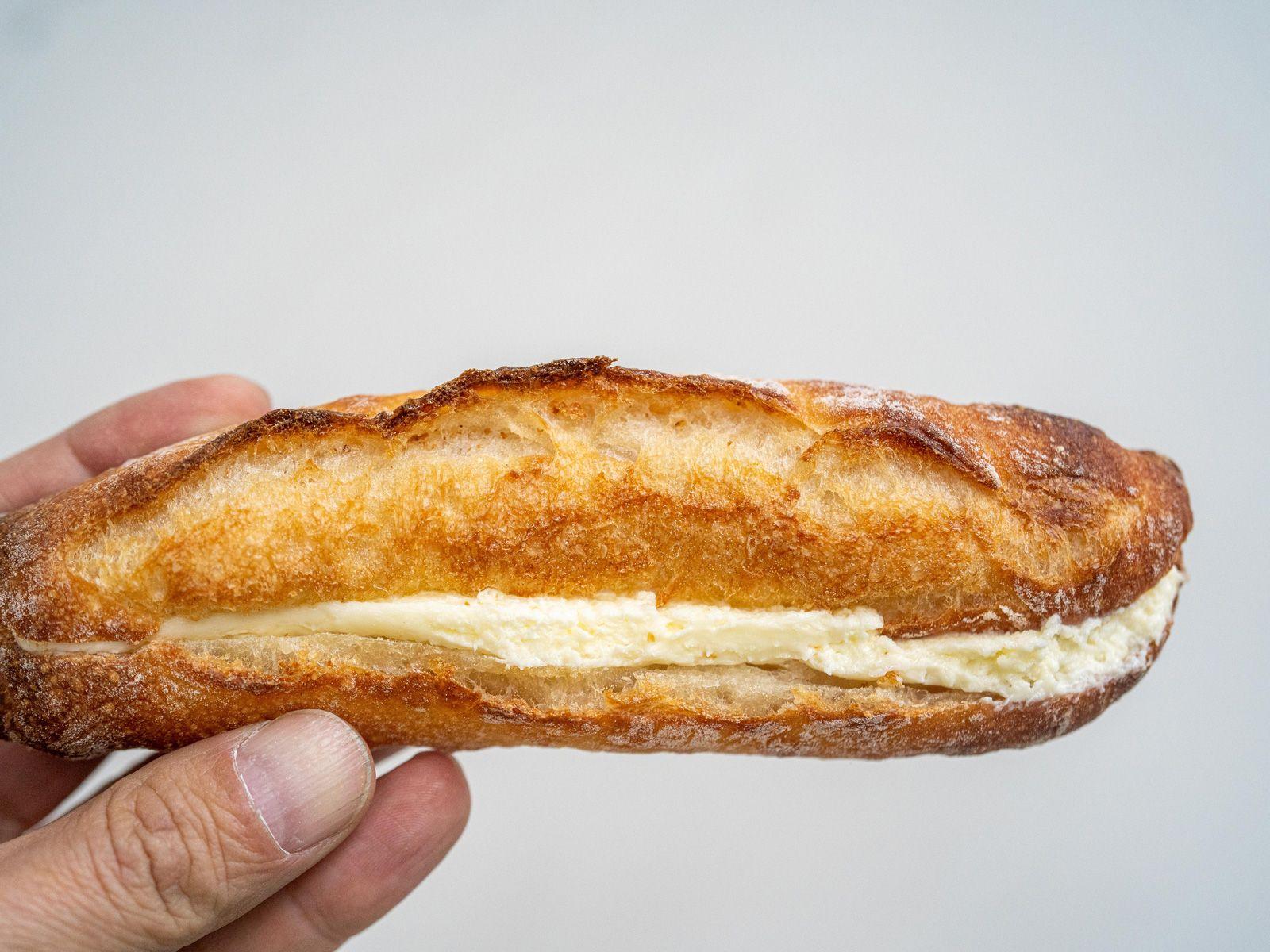
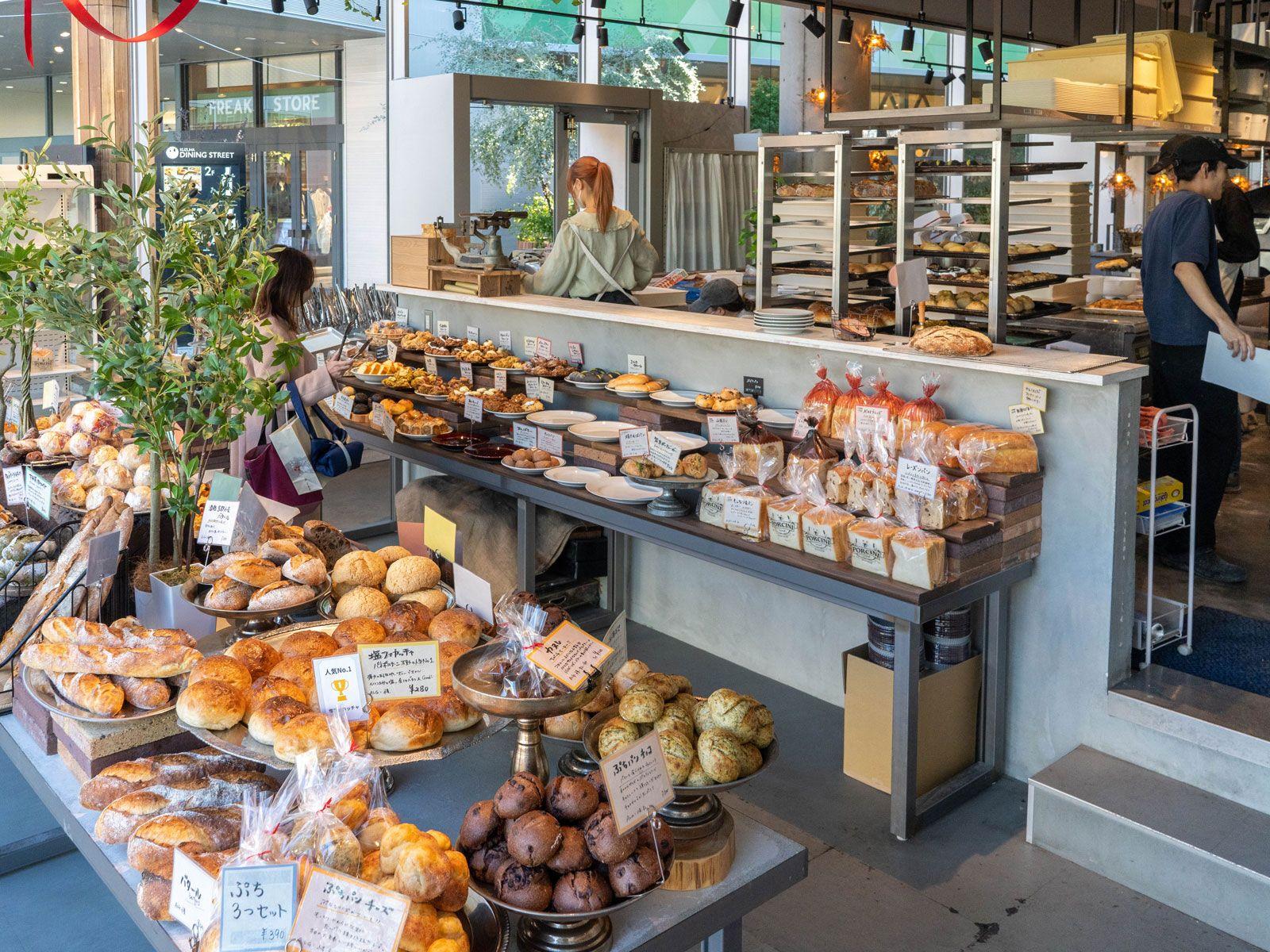
The deliciousness of Kyoto-produced wheat at a shopping mall / pane e caffè porcini KUZUHA

Eating locally produced wheat at a shopping mall. That’s the interesting initiative of “pane e caffè porcini KUZUHA.” It has been getting attention because the queue-famous shop “Pane Porcini” in Fukushima, Osaka—close to Umeda—opened a branch in an out-of-town shopping mall. On the other side of the mountains is Kyoto Prefecture. There are breads made using Setokirara from Kyoto Prefecture that have been popular.

Discuss this article ↗

パンラボ · 朝日新聞「このパンがすごい!」