Blog

2025 · People & place · 26 articles / Newest firstClear filters

2025 / 12

2025 / 11

With imported prices soaring, “Japanese-grown wheat” comes into the spotlight—regional revitalization driven by local bakeries

Japan’s regional economy is declining and the country is becoming increasingly centralized in one place. In such a situation, Ikeda Hiroaki, who runs Pan Lab, says that what can serve as the ignition point for the development of a region—and help create energetic regions across Japan—is a bakery. In fact, efforts to revitalize regions through bread are already being carried out in many places around the country. In this article, we introduce specific examples as described in the book *Bread Business* (*パンビジネス*). ※This article is an excerpt and edited version of the content from Ikeda Hiroaki and…

Discuss this article ↗

2025 / 10

Challenging Wheat Variety Improvement from Iwate: What Will Be Its Outcome?

Farmers in Shiwa, Iwate Prefecture, who once had been running at a loss with Nanbu wheat, saw yields jump to three times after switching varieties. Wheat cultivation had been a deficit no matter how much they produced. With the adoption of a new variety, the scenery that had previously been visible changes completely. What lay behind it was the existence of mochi wheat, which had been developed into products over 20 years, and what Ikeda Hiroaki of Bread Lab calls “finding what you’re good at,” carried out with as many actual demand-side users as possible. This time is about…

Discuss this article ↗

A Warm “Bread Drinking” in Kyoto: A New Encounter of Wine, Bread, and Food / mati

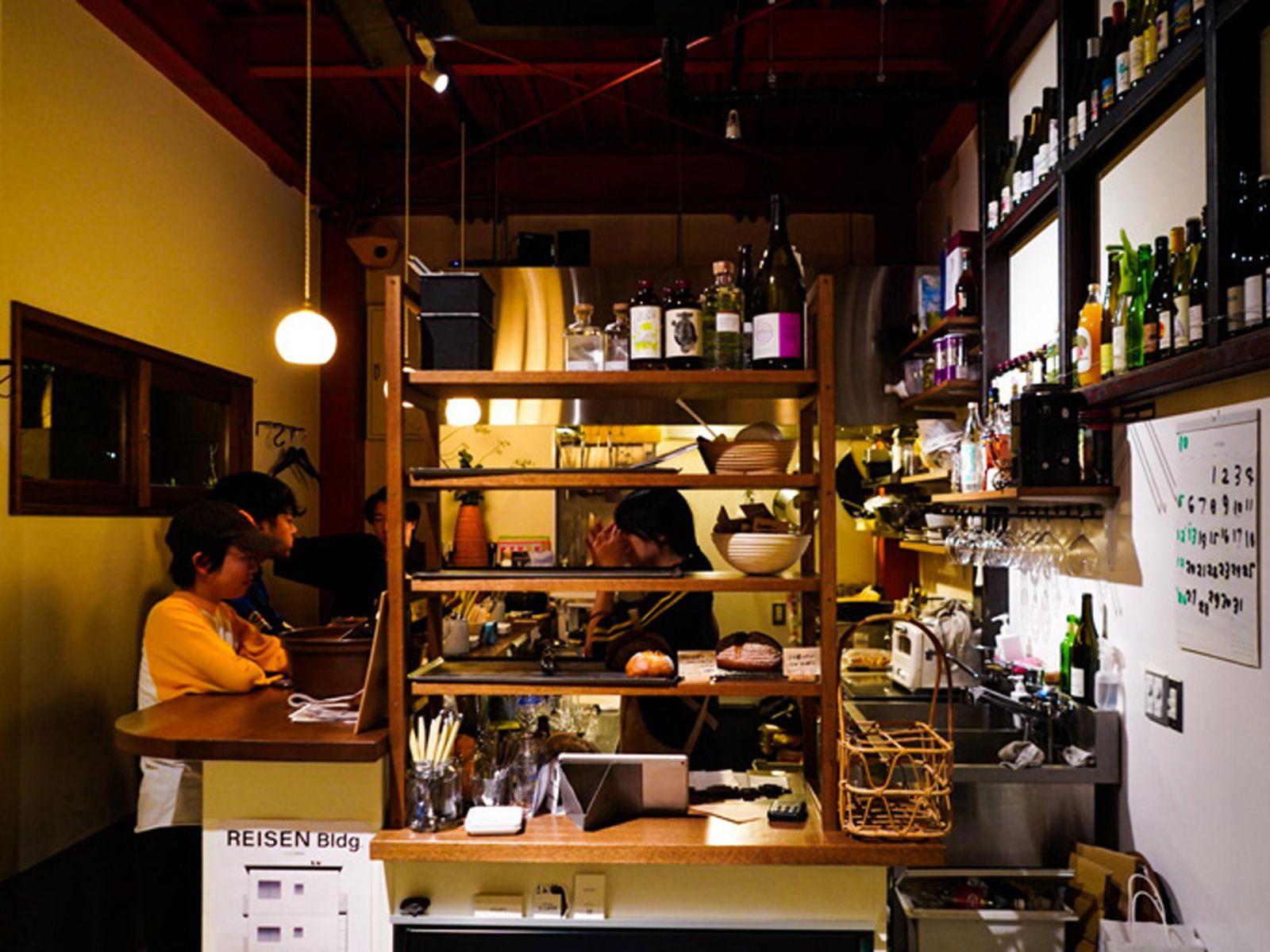
Even along the cherry blossom-lined path on the shore of the canal, night had fallen (the curtain of night). Light leaked from the first floor of the building along Saisui-dōri, and you could see wine bottles lined up all the way to the ceiling. Being able to use a stylish bar in everyday life seems very Kyoto-like—and there was another reason that came to mind. Bread lined up on the shelves. This place, “mati (Machi),” is a shop for “bread drinking” and also a bakery.

Discuss this article ↗

2025 / 09

A Stone Warehouse Opens Twice a Week in the Outskirts of Utsunomiya, Loaded With Homemade Fillings / Yamame Pan 店

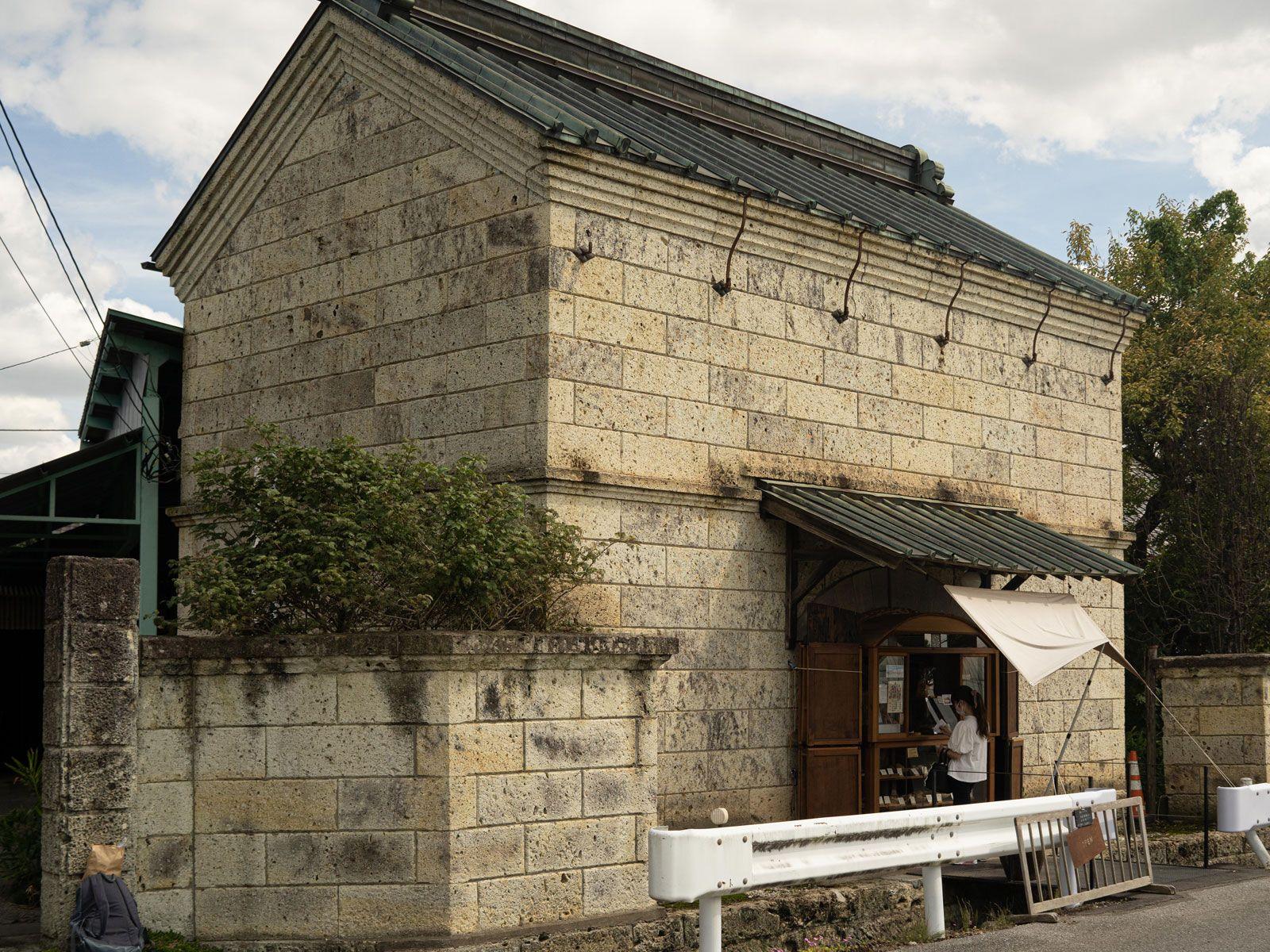
When you go a little outside the city center of Utsunomiya, natural scenery appears. A river not covered in concrete, rice fields where ear of rice ripen, a large open sky—and a stone warehouse. A storefront window board is set up with wood in a corner of the stone wall. And there, everyone happily buys the breads lined up there, chatting with the shop staff.

Discuss this article ↗

About 50 Types of Dazzling Bagels, Stop By in the Shopping Arcade Whenever You Like / Chikupaaru Bagel

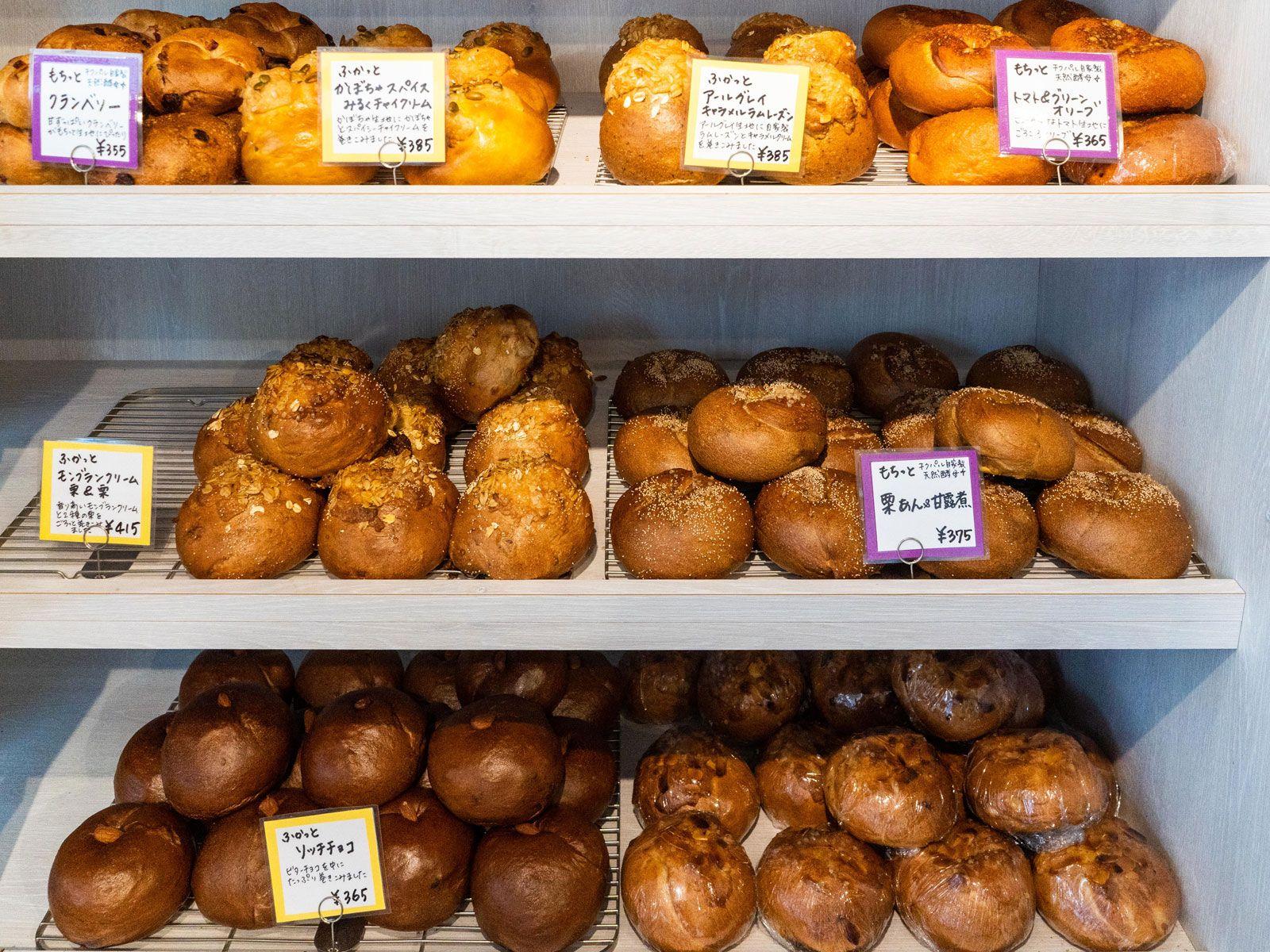
In Hatsunai, Tokyo, I used to think of it as a big city where an expressway and Opera City block the sky—but if you go around to the back, there’s a so quaint shopping arcade like this. At the spot where you enter through a gate marked “Fudō-dōri,” there’s a bagel shop open. Few people would realize that the shop owner of this place, which looks like it belongs in the neighborhood, is the person who brought innovation to Japan’s bagels.

Discuss this article ↗

Mentaiko, cream, rolled omelet egg… Great showmanship that energizes Kokura’s shopping arcade! / SHUN PAN LABO

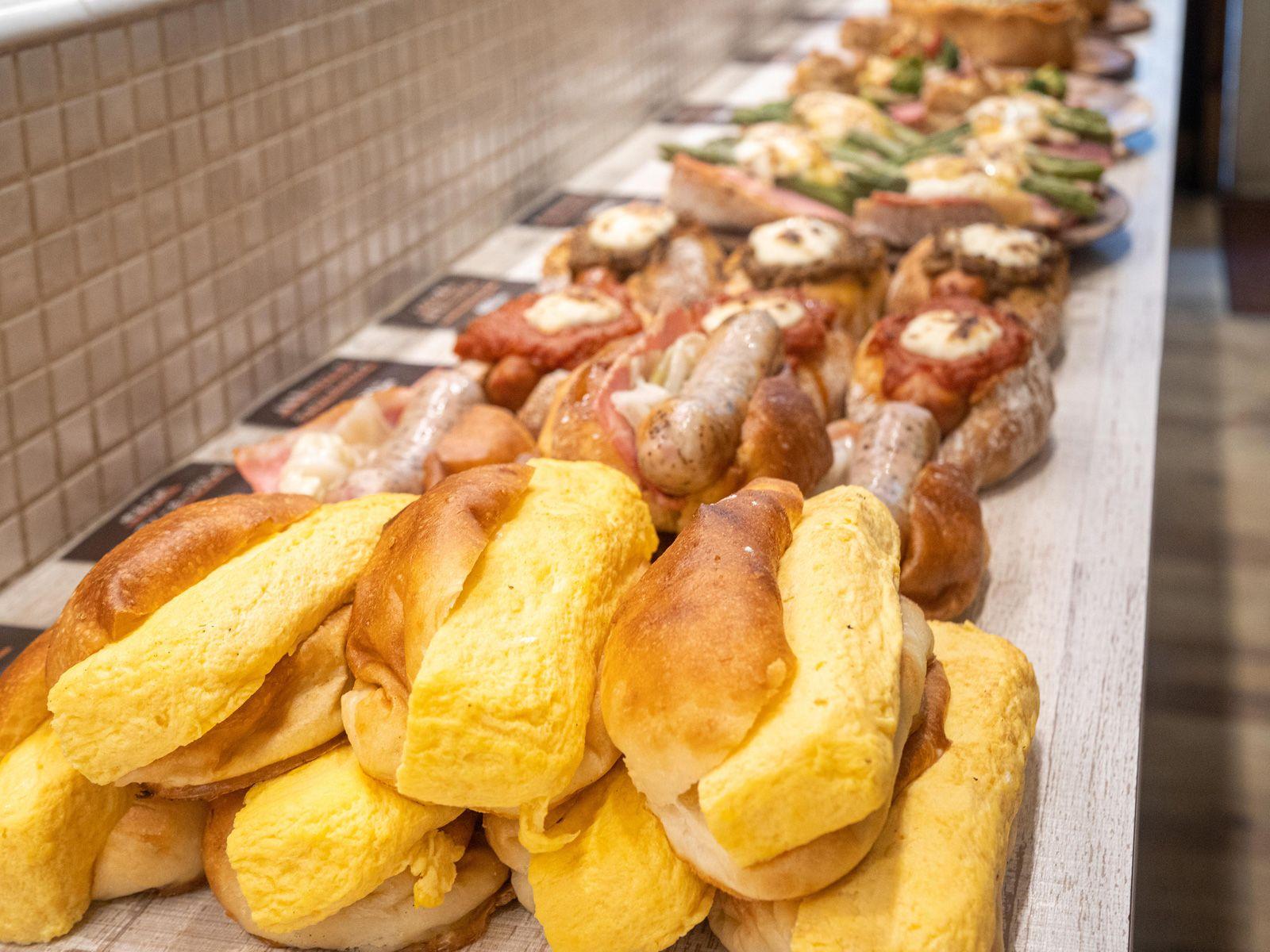
Kokura is a town where the shopping arcade is lively. In Shōwa 26 (1951), Japan’s first arcade street, “Uomachi Gintengai,” was created. About 400 meters from near Kokura Station, local and long-established shops have survived—there are even modern-day bakeries inside. If you open the doors of “SHUN PAN LABO,” you’ll find breads overflowing with “This is something I want to eat!” and “I was looking for something like this!”

Discuss this article ↗

2025 / 08

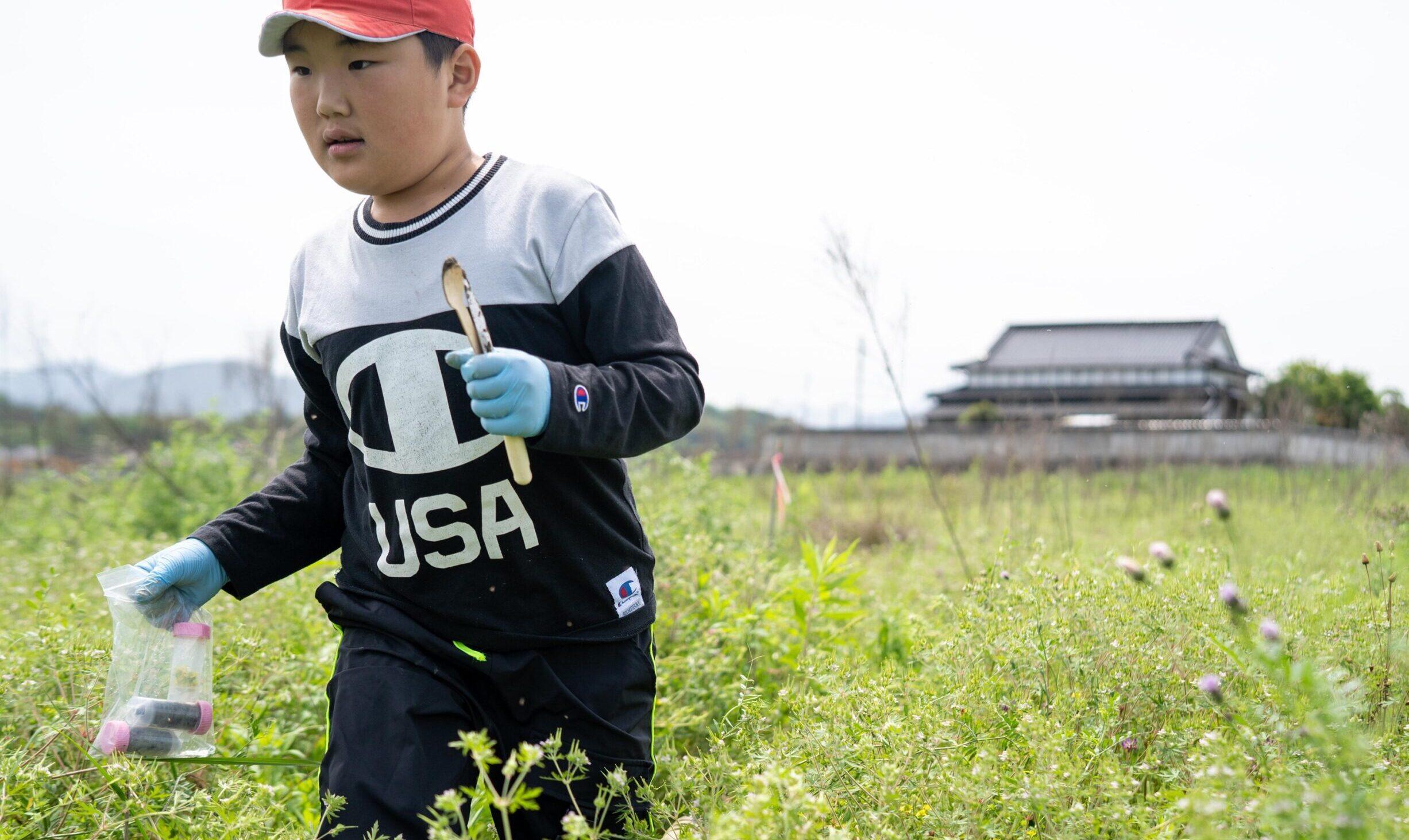
Now, let’s find yeast in the fields! Bread is born from our land.

“The Roadside Station for Bread (パンの道の駅)” in Kawasaki-machi, Fukuoka Prefecture, scheduled to open in 2028. This is a project aiming at community revitalization through bread, revitalizing agriculture, and creating a community. Nurturing food education is also an important theme. I wanted the children in this town to learn how bread is made. They are the future stewards of farming and food. If possible, I want them to be involved in making delicious things here in Kawasaki-machi. Truly interesting things are… You

Discuss this article ↗

2025 / 07

Surrounded by Sapporo’s forests—the softness of the dough and the way it melts in your mouth / Mori no Pan ~seasonal spot~

While driving along a forest road, we encountered a spot where a stark-white trailer was parked. Inside that long, narrow, small space, it’s a full-fledged bakery. There’s a kitchen, an oven, and a sales area. And what’s lined up there are breads made with local ingredients—something that makes your heart race with excitement.

Discuss this article ↗

2025 / 06

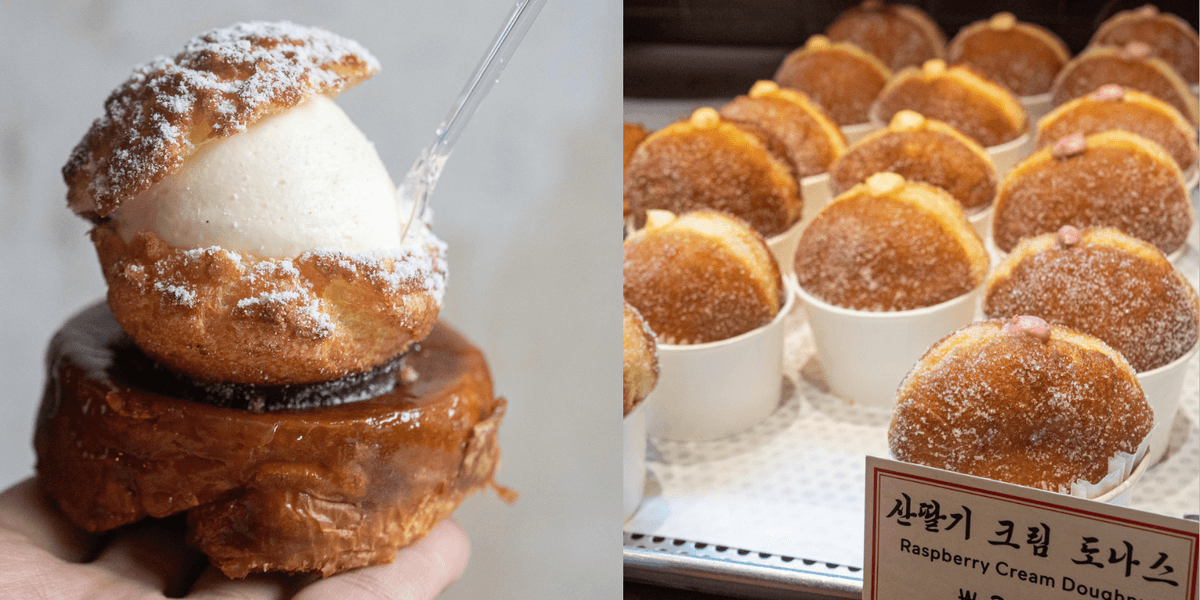
Breadmania’s thorough report! Exceptional breads found in Seoul, South Korea

Trendy breads come from Korea! It would be no exaggeration to say that new breads are being created one after another in Seoul’s bread scene. Following the idea, “If you let someone make sandwiches, there’s no one who can beat you!”—we gathered around notable Seoul bakeries. Bread Lab, that is, Hiroaki Ikeda, who is also well versed in Seoul, made Naruse Hayato, the owner of the popular Shibuya cafe “CAMELBACK sandwich&espresso,” our navigator as he “took us on a tour,” and…

Discuss this article ↗

Beyond “Domestic Wheat.” Connecting local fields and bread—Aichi’s local flour mill /

Hiroaki Ikeda, who presides over the Bread Research Institute “Bread Lab,” explores “real bread” that has long been loved in the region. He aims to produce the “Roadside Station for Bread” in Kawasaki-machi, Fukuoka Prefecture, opening in 2028! We’ll follow the thought process leading up to Ikeda’s launch. This time, we’ll look at the power of an Aichi local flour mill that cultivates regional land and grows bread culture. Flour turns into a living thing. From the gnawing wheat, crack the wheat using a metal millstone called the “Kanausu (金臼),” and…

Discuss this article ↗

2025 / 05

“Stone mill × roll” brings out the personality of wheat. Hybrid milling opens up a new era of bread-making

Hiroaki Ikeda, who hosts the Bread Research Laboratory (“Pan Labo”), explores “real bread” that has long been loved in the region. His goal is to produce Fukuoka’s “Road Station for Bread” (“Pan no Michi no Eki”) in Kawasaki, Fukuoka Prefecture, which will open in 2028! We’ll follow the thought process that led Ikeda to launch his business. This time, let’s talk about new “milling” that pushes the possibilities of bread-making even further. Making delicious wheat into delicious flour. Since around the late 2000s, when Japanese-grown wheat became widespread, bread bakers started visiting wheat fields on foot. They were amazed by the golden harvest there, and they began to put the effort of producers into their own bread-making. And then they started to aim to express, in bread, the flavor of each wheat variety and each land (terroir). And yet, compared with meat and vegetables, that was difficult. One reason is that wheat involves a milling process. Delicious wheat has to be milled into flour without losing what makes it delicious. The passion of bread bakers who want to bring wheat’s individuality into bread will also change the way milling is done.

Discuss this article ↗

Innovative breads made with regional ingredients—A project moving forward at Kurokawa Onsen in Kumamoto / Au Pan & Coffee

Far from both the expressway and the nearest station, beyond mountain after mountain, is the hot-spring resort of Aso’s interior: Kurokawa Onsen. Here, a project is underway that will help shape the future of the region. In a hillside area of a lush plateau, eight restaurants are scattered, and at the center is Au Kurokawa (アウ・クロカワ). Its main facility, “Au Pan & Coffee,” opened last year.

Discuss this article ↗

Turkey, Norway, Denmark… A small shop in Kamakura that collects two people’s memories / pide

If you head east along Ōmachi Ōji from the center of Kamakura, you’ll find a forked stretch where the road divides. At that point is a round building that used to be a former police box. When the weekend arrives, a sudden crowd forms there. Inside, two people who came from the Netherlands bake and sell Scandinavian-style sourdough made with homemade yeast starter (l u v a n). They greet you with smiles—speaking in English, and sometimes in broken Japanese.

Discuss this article ↗

2025 / 04

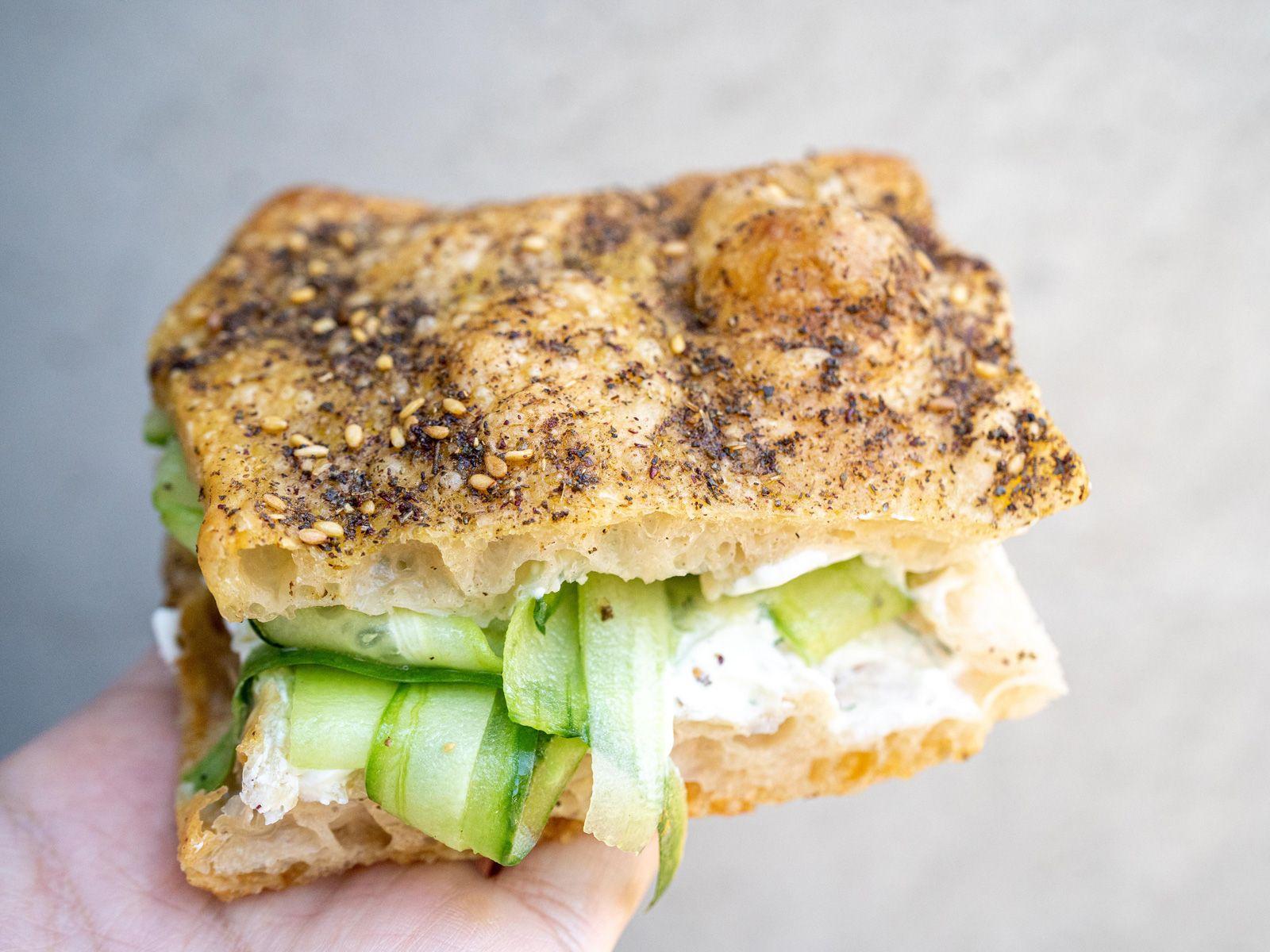
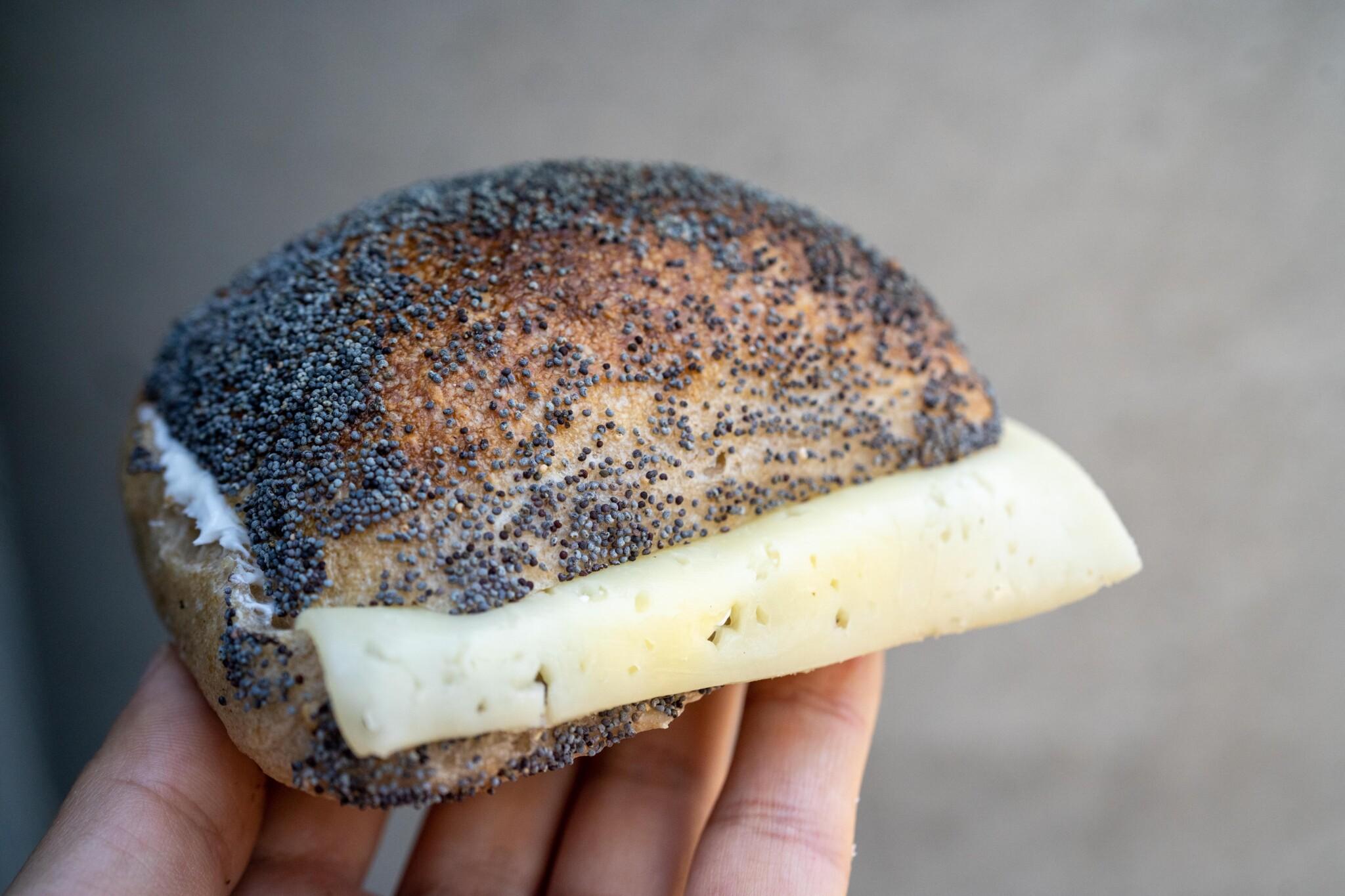
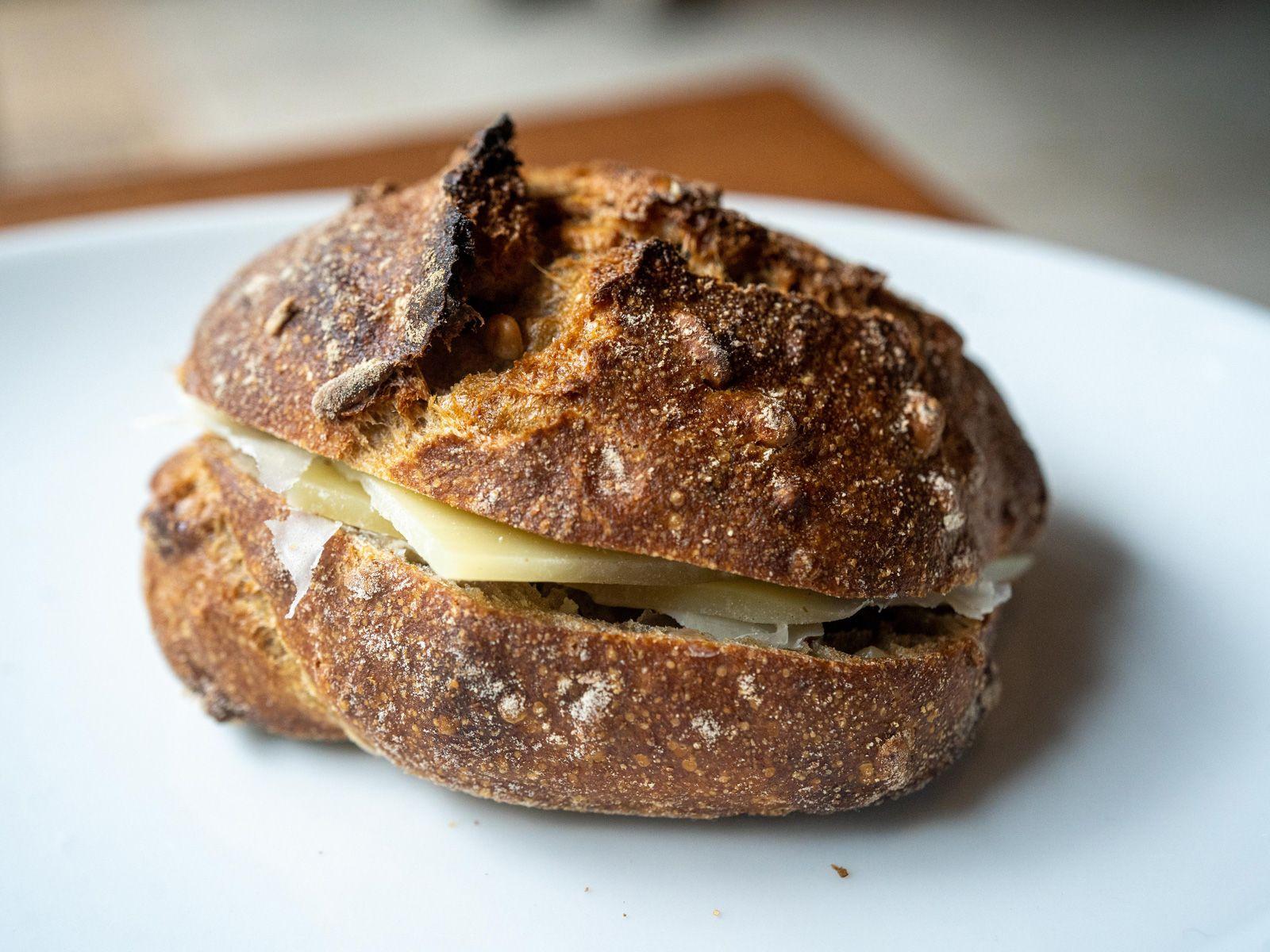
Butter & cheese sandwich from Kamakura’s “pide.” Sourdough Diary vol.2. Photos and text: Hiroaki Ikeda (Editor-in-chief of “Pan Lab”) #2

From Norway—the advanced region for sourdough—where he’s based, female baker Burcu suddenly landed in Japan and started the micro bakery “pide.” The location is Kamakura. It is a building that used to be a police box, situated in a spot you reach by walking straight down the shopping street for a while. If you let your guard down and go slowly, by the time you arrive there’s already a massive line. I felt relieved that people in Kamakura really like sourdough. Inside, as Burcu’s husband talks with a smile saying “Hi!,”

Discuss this article ↗

An expert in fruit Danish brings “the usual, but of excellent quality,” to Kamakura / Seipaneshi miyabi

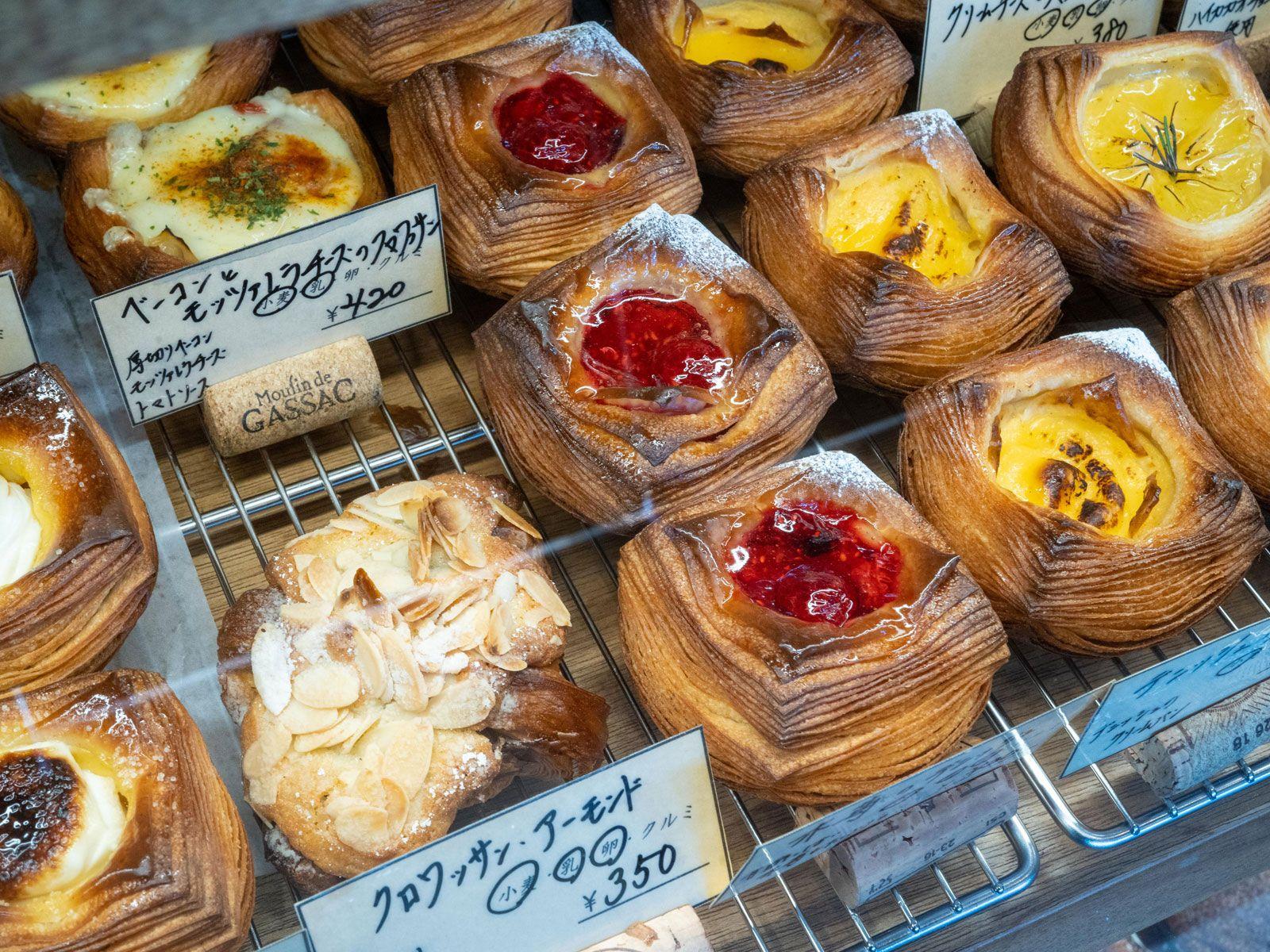
In Nagoya, “Seipan-Ga Miyabi” had been gaining popularity as a shop with delicious Danish. In November last year, it relocated to Yui-ga-hama in Kamakura. Inside a large wooden door that fits naturally into the town of Kamakura, you could find a display of colorful Danish arranged just like in Nagoya. The way the layers fold over each other in a step-like manner is summed up in nothing but “beautiful.”

Discuss this article ↗

2025 / 03

Loved 100 years from now. “Real bread” turns the region.

“The bread that’s good brings people together”—the effort of “bread” × “the local regions,” which has been gradually growing, is one example of repurposing this energy. But first, what exactly is “local bread”? With the environment surrounding domestic wheat changing drastically, if you’re going to bake bread in a local region, you probably need to consider again what that means. Bread that continues to be loved for a long time in that land. Building relationships with local farmers, telling stories about the region’s food culture, and eventually becoming the taste of home for the children who leave the nest

Discuss this article ↗

A “grown-up” bread shop in Kobe—continuing the good traditions of craftsmen / Pan Calite

In Kobe, his hometown where he was born and raised, chef Masahiko Yoneyama of the Osaka bakery chain “Panduce,” famous for bread made with vegetables, opened a shop. The location is Rokko, near his home. It opened in December last year and has lines every day. On the display shelves are only 20 to 30 types—the amount that can be baked by just one person. The original inventive breads from the Panduce era have been sealed away, and instead there are very ordinary, tasteful breads with a refined look—“grown-up bread.”

Discuss this article ↗

A key to sustainability in a one-person shop with flavors from Nagano / Tempan’nue

Nishioi was what I saw from the train windows of the Shōnan-Shinjuku Line—when I actually got off, it was a quiet downtown neighborhood. One of the shops there, tucked among a shopping arcade where the lights of commerce were gradually fading, was actually something interesting. An old shop with a faded sign from the era when it sold electrical goods. If you peek inside, you find an odd space where big, rugged kampan (campagne) is lined up on the counter.

Discuss this article ↗

2025 / 02

Powerful hard-type breads that create synergy with Kagoshima-produced ingredients / Le18e

On a holiday morning, there was a long line outside the shop. When you went in, on long tables stretching deep into the back there were all sorts of delicious-looking breads, and it seemed like many people gathered as if drawn in. And that makes sense. Just the sheer fun of wandering through so many different breads that you can hardly decide what to look at—then grabbing your “prey” with tongs. In recent years, high-level shops have been opening one after another in Kagoshima, turning it into a bread mecca for southern Kyushu. And that’s also the eye of the typhoon…

Discuss this article ↗

パンラボ · 朝日新聞「このパンがすごい!」