Blog

2025 · 43 articles / Newest firstClear filters

2025 / 06

2025 / 05

“Stone mill × roll” brings out the personality of wheat. Hybrid milling opens up a new era of bread-making

Hiroaki Ikeda, who hosts the Bread Research Laboratory (“Pan Labo”), explores “real bread” that has long been loved in the region. His goal is to produce Fukuoka’s “Road Station for Bread” (“Pan no Michi no Eki”) in Kawasaki, Fukuoka Prefecture, which will open in 2028! We’ll follow the thought process that led Ikeda to launch his business. This time, let’s talk about new “milling” that pushes the possibilities of bread-making even further. Making delicious wheat into delicious flour. Since around the late 2000s, when Japanese-grown wheat became widespread, bread bakers started visiting wheat fields on foot. They were amazed by the golden harvest there, and they began to put the effort of producers into their own bread-making. And then they started to aim to express, in bread, the flavor of each wheat variety and each land (terroir). And yet, compared with meat and vegetables, that was difficult. One reason is that wheat involves a milling process. Delicious wheat has to be milled into flour without losing what makes it delicious. The passion of bread bakers who want to bring wheat’s individuality into bread will also change the way milling is done.

Discuss this article ↗

Innovative breads made with regional ingredients—A project moving forward at Kurokawa Onsen in Kumamoto / Au Pan & Coffee

Far from both the expressway and the nearest station, beyond mountain after mountain, is the hot-spring resort of Aso’s interior: Kurokawa Onsen. Here, a project is underway that will help shape the future of the region. In a hillside area of a lush plateau, eight restaurants are scattered, and at the center is Au Kurokawa (アウ・クロカワ). Its main facility, “Au Pan & Coffee,” opened last year.

Discuss this article ↗

Turkey, Norway, Denmark… A small shop in Kamakura that collects two people’s memories / pide

If you head east along Ōmachi Ōji from the center of Kamakura, you’ll find a forked stretch where the road divides. At that point is a round building that used to be a former police box. When the weekend arrives, a sudden crowd forms there. Inside, two people who came from the Netherlands bake and sell Scandinavian-style sourdough made with homemade yeast starter (l u v a n). They greet you with smiles—speaking in English, and sometimes in broken Japanese.

Discuss this article ↗

2025 / 04

“Real Bread” provided by a food select shop / DEAN & DELUCA

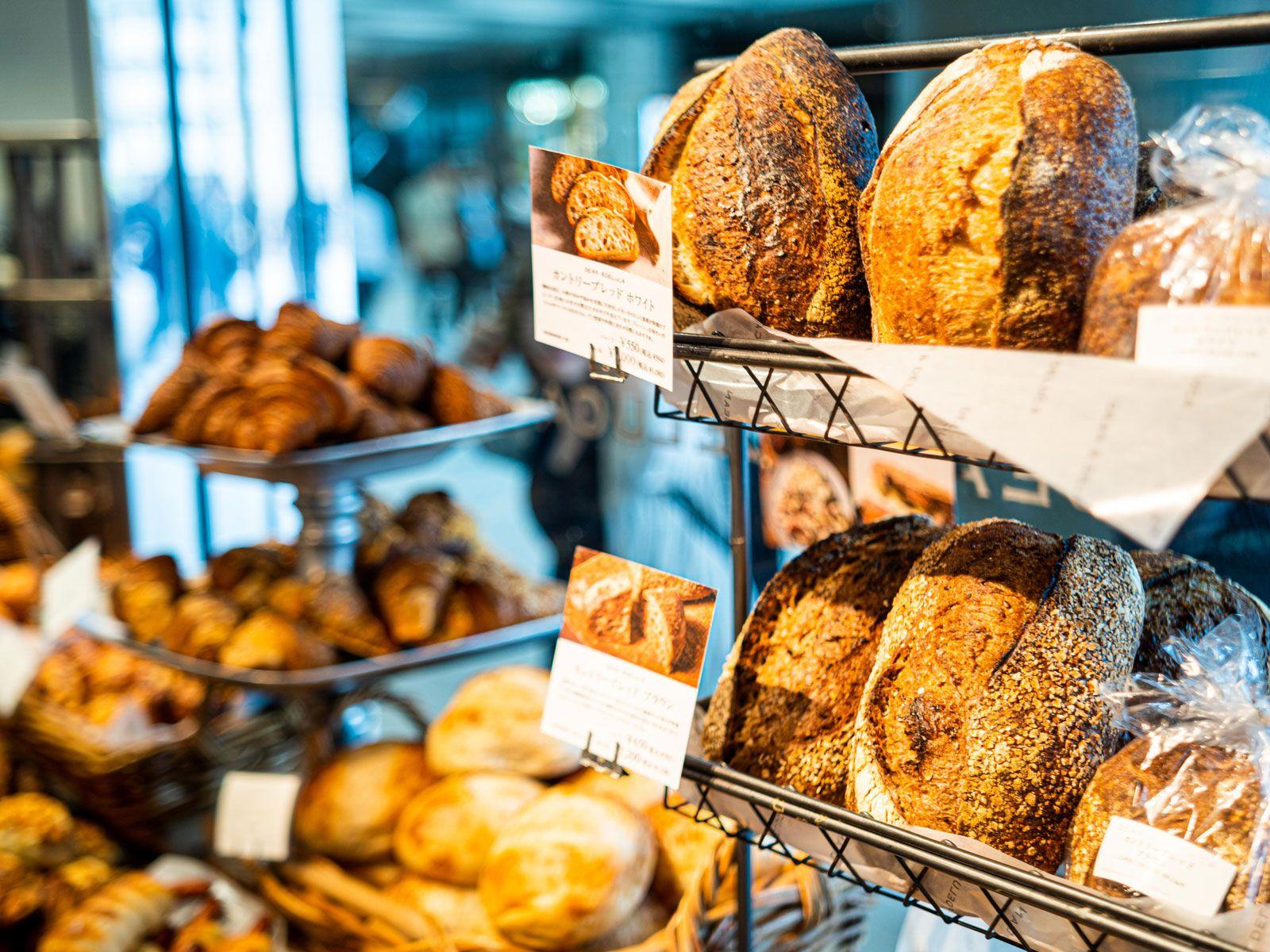
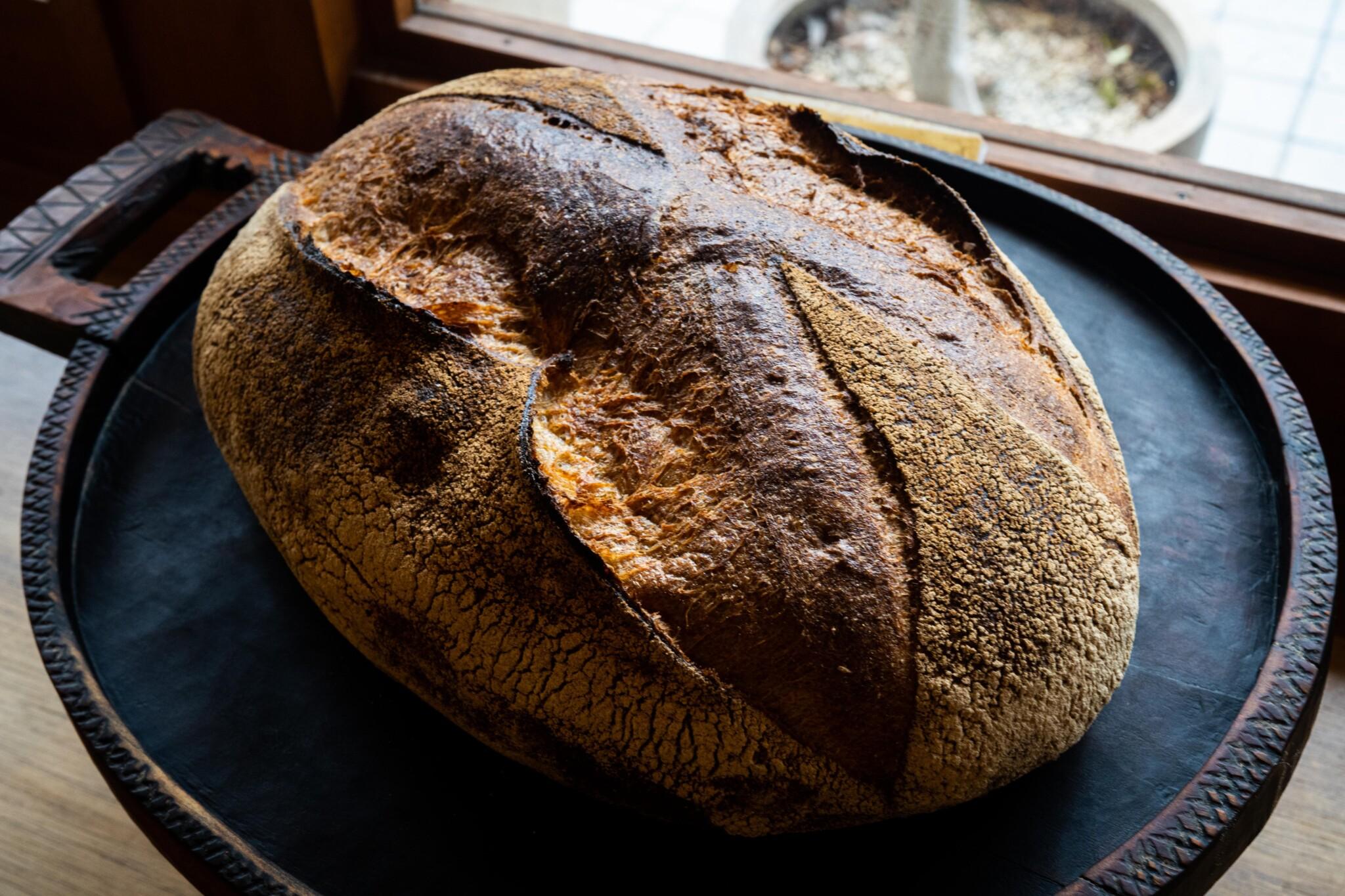
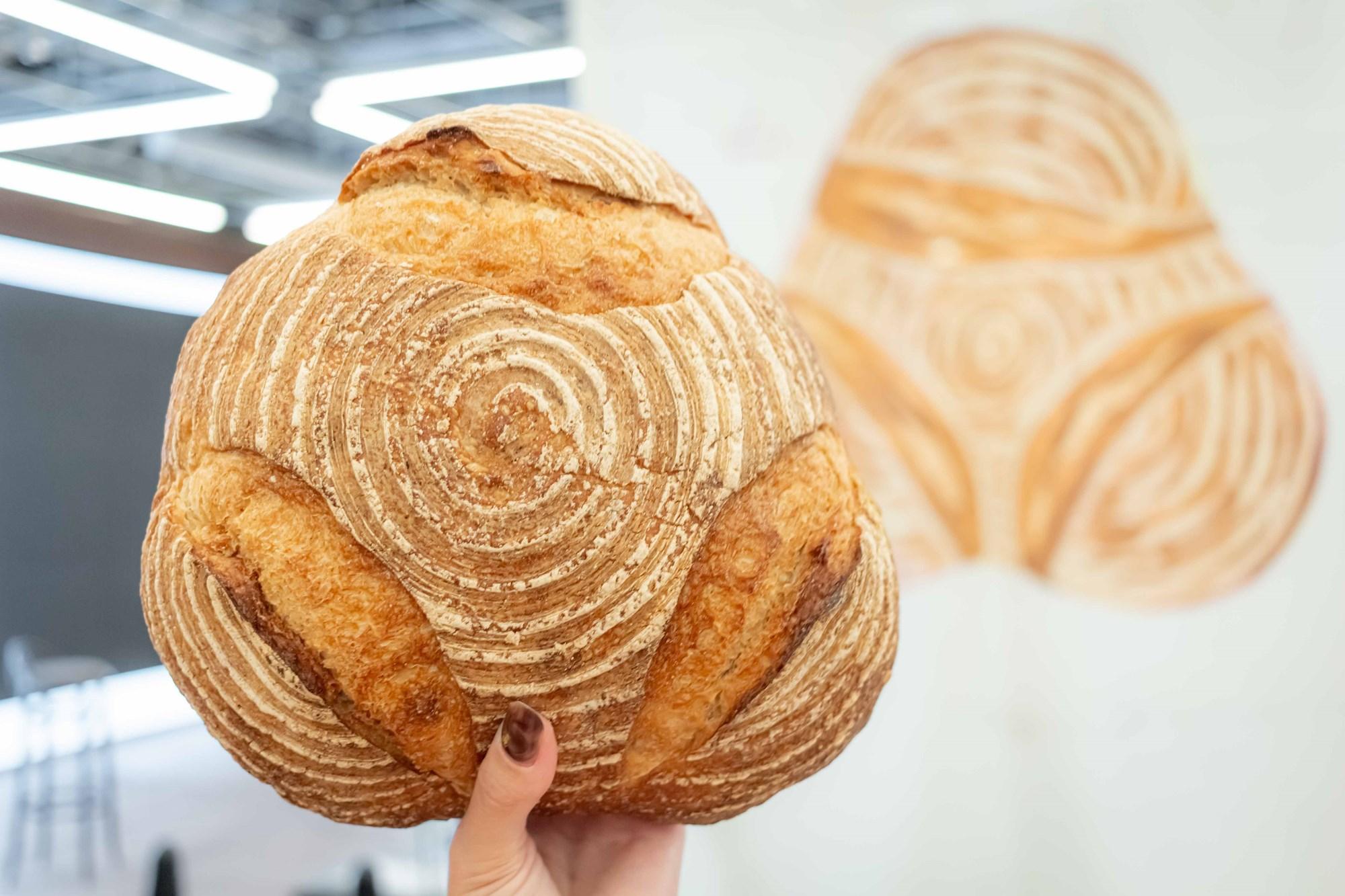
Dark-brown sphere-shaped loaves that take over the storefronts of DEAN & DELUCA across the country. Until then, the bread counters had mainly focused on pastries and focaccia, but these stand out. Starting March 15, “NEW CLASSIC BREAD,” which fully renews DEAN & DELUCA’s bread selection, began. The highlight is the country-style bread that evokes the “Tartine Bakery” on the West Coast of the United States—the holy site of sourdough…

Discuss this article ↗

DEAN & DELUCA’s new country bread. Sourdough Diary vol. 4. Photos and text: Hiroaki Ikeda (Director of “Pan Lab”) #4

This serialized feature that we’ve been running for the past three installments finally reaches its last episode. For people who are thinking, “Where can I buy sourdough?” “Can’t I buy it near me?” “Isn’t there an easy way to eat it?”—we have a proposal. From March onward, country bread will be on sale at DEAN & DELUCA throughout Japan. This bread is from a former director of the famous San Francisco bakery “Tartine Bakery,” which became the ignition point for the sourdough movement…

Discuss this article ↗

The “mochutspuri” sourdough made by Kohei Kato of “KISO” in Nagoya. Sourdough Diary vol.3. Photos and text: Hiroaki Ikeda (Editor-in-chief of “Pan Lab”) #3

○Month ×Day Visiting Kohei Kato’s “KISO” in Nagoya, after he came from Fukuoka’s famous shop “Pan Stock.” The online ticket-number arrangement system sells out instantly as soon as tickets go on sale—an extremely popular shop. Perhaps it’s because the fillings are generous and the appearance is dazzling that many people are drawn to it. For example, “Chocolate Rye,” “Nut Rye,” “Fruit Rye,” “Hatcho Miso Rye,” and “Seed Rye.” From a single rye-containing dough, 5 types of

Discuss this article ↗

Enjoy the dishes, then buy bread to take home. A dream bakery restaurant born in Nagoya / VOLLON

“VOLLON,” a massive bakery restaurant with more than 50 seats, opened last year right in front of Chihaya Park in Nagoya. In a fully open kitchen (chūbō), bread is baked out of the ovens, creating exceptionally great dishes. There is a café where you can enjoy morning service and teatime, and there is also a bakery where you can buy bread to take home. It’s a dream of a shop like that.

Discuss this article ↗

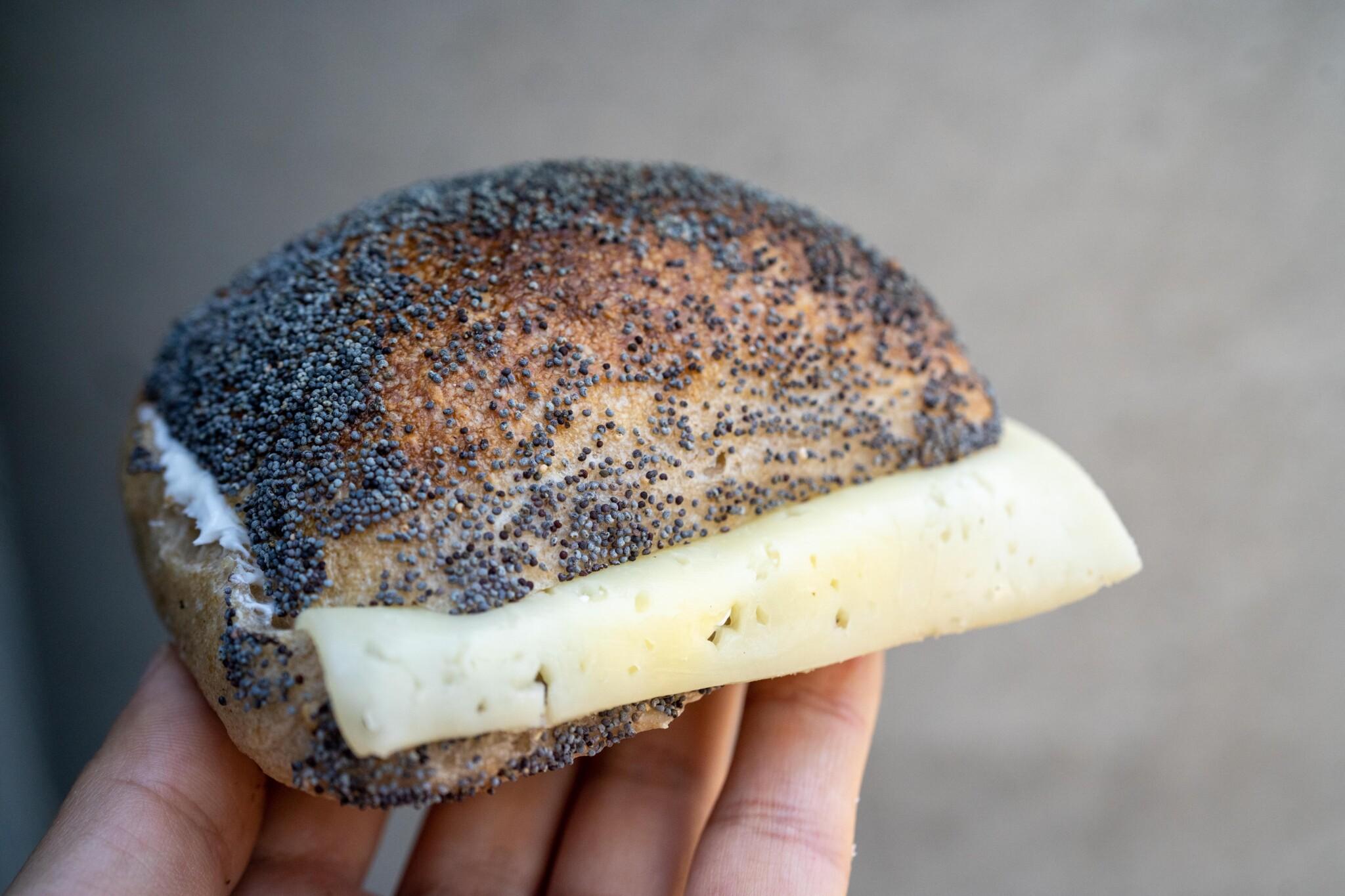
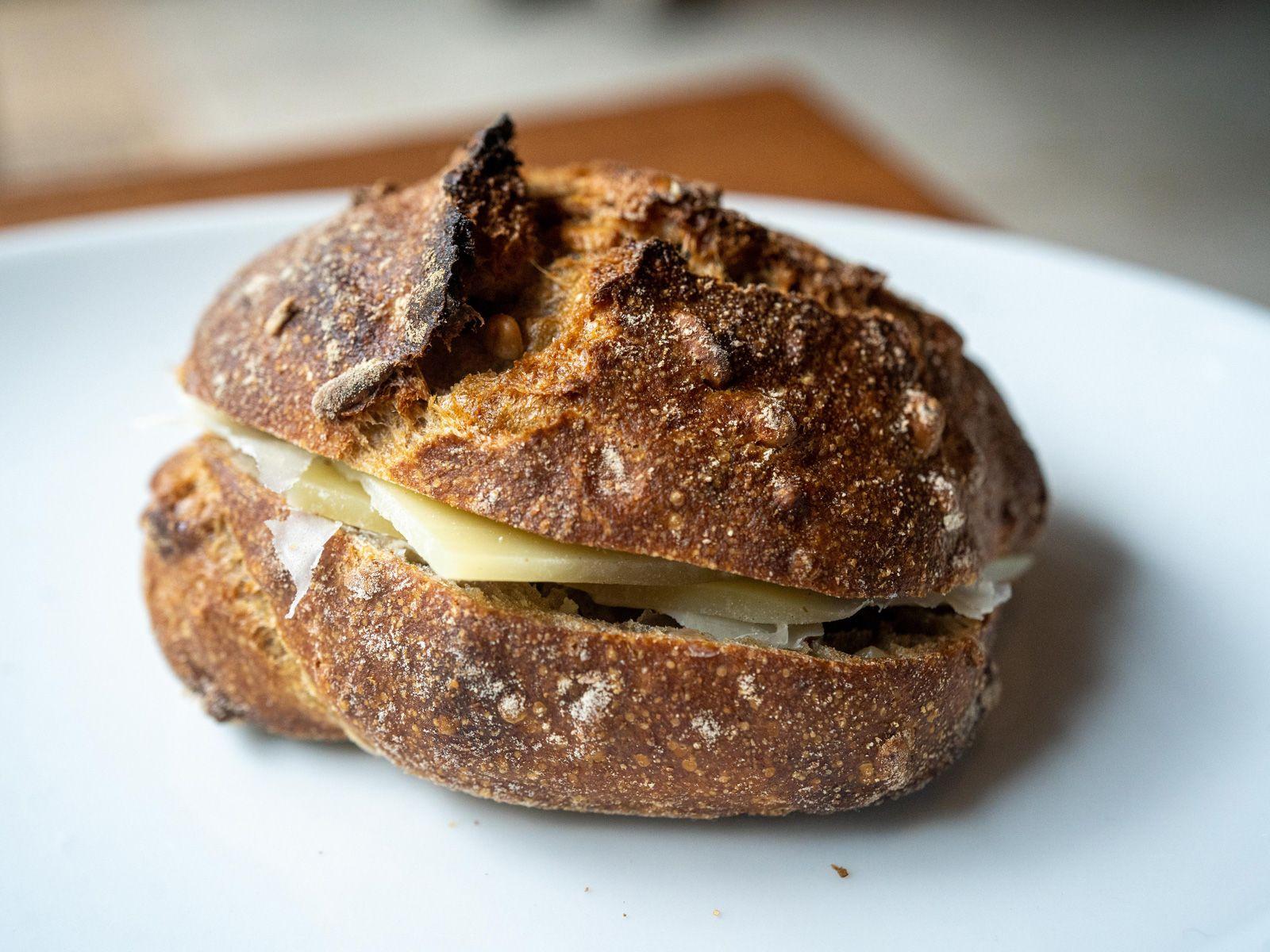
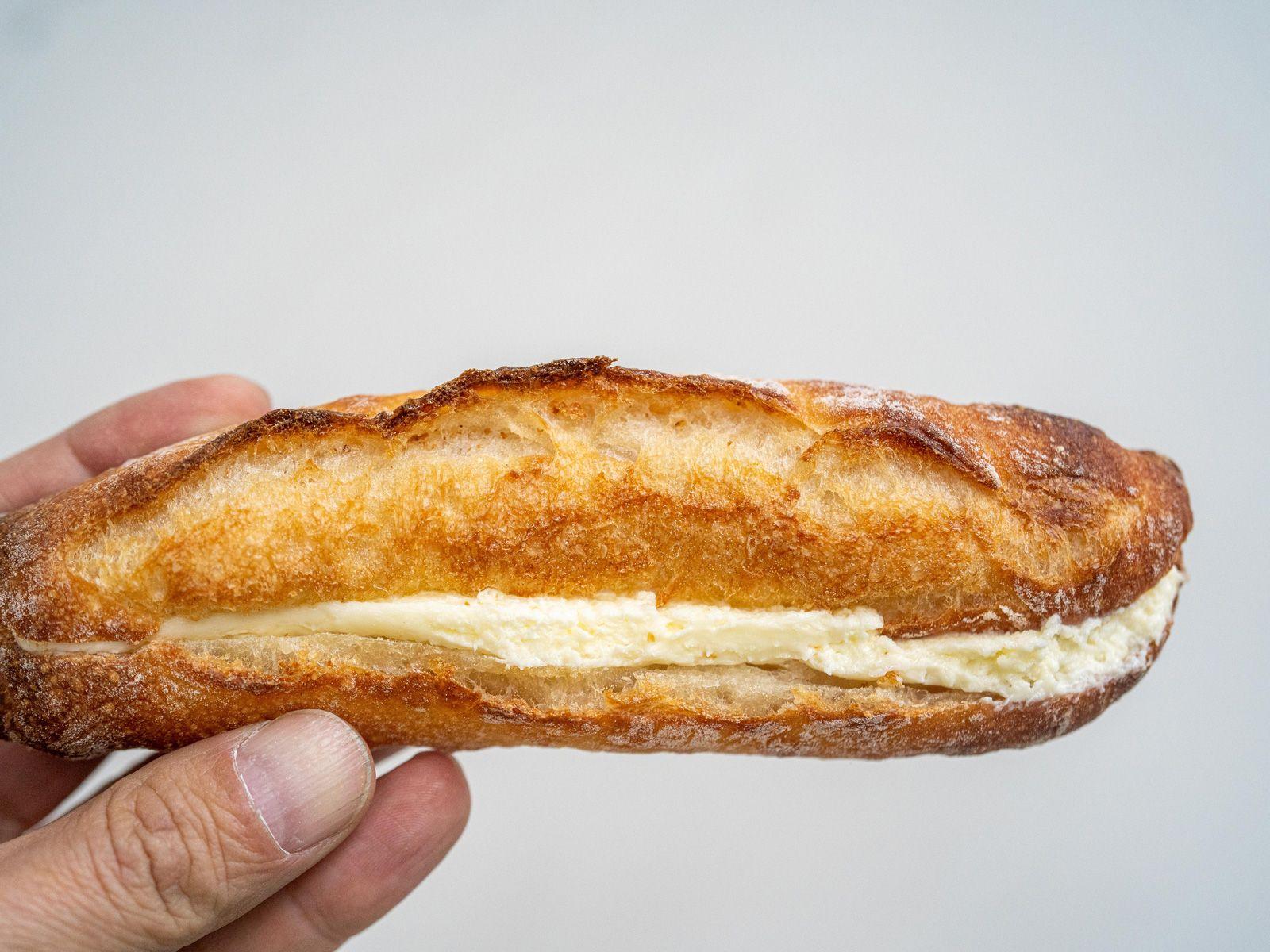
Butter & cheese sandwich from Kamakura’s “pide.” Sourdough Diary vol.2. Photos and text: Hiroaki Ikeda (Editor-in-chief of “Pan Lab”) #2

From Norway—the advanced region for sourdough—where he’s based, female baker Burcu suddenly landed in Japan and started the micro bakery “pide.” The location is Kamakura. It is a building that used to be a police box, situated in a spot you reach by walking straight down the shopping street for a while. If you let your guard down and go slowly, by the time you arrive there’s already a massive line. I felt relieved that people in Kamakura really like sourdough. Inside, as Burcu’s husband talks with a smile saying “Hi!,”

Discuss this article ↗

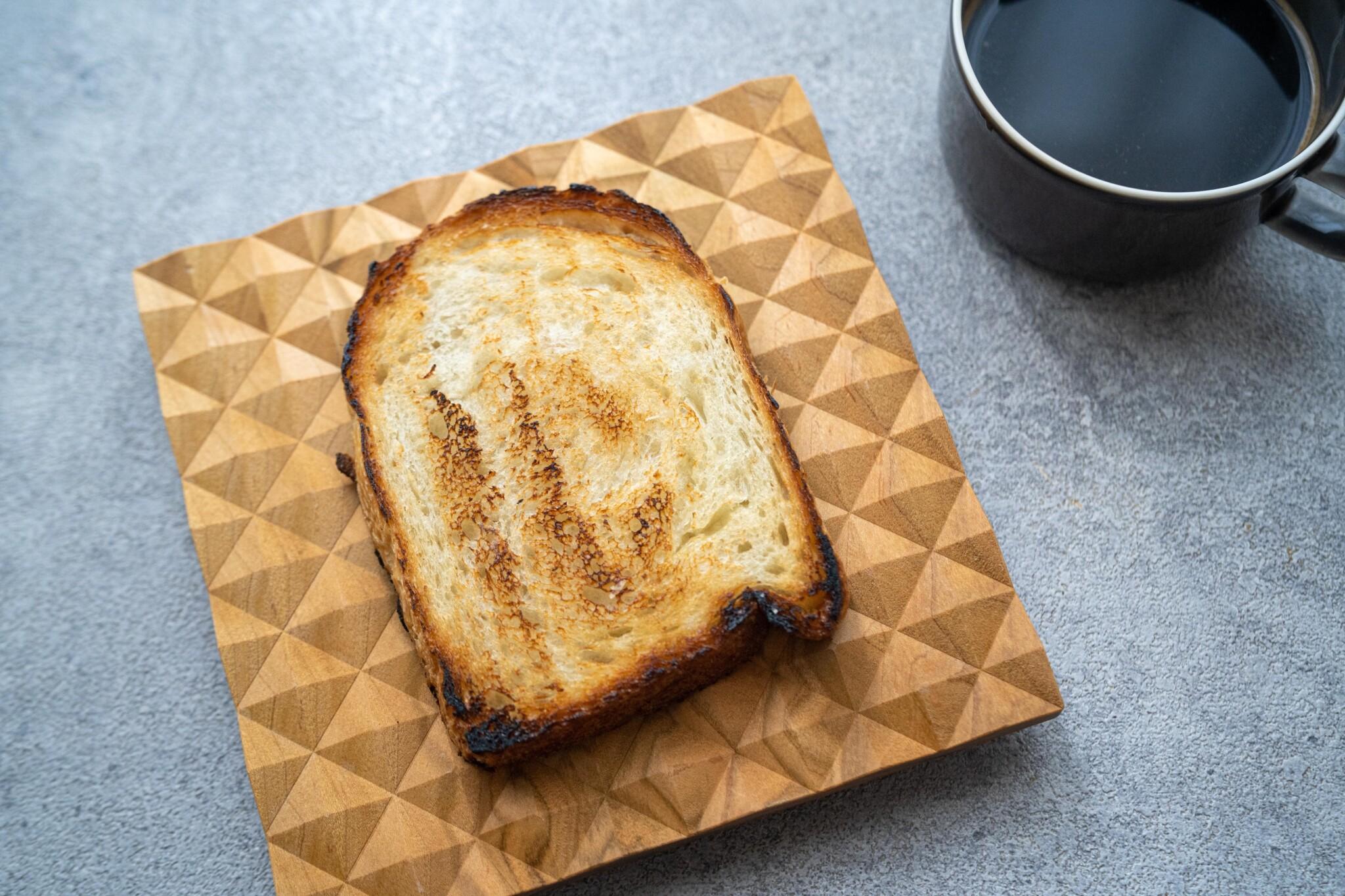
A butter-free sandwich bread (shokupan) from “Pan-ya Shiom i” in Minami-Shinjuku, Tokyo. Sourdough Diary vol.1. Photos and text: Hiroaki Ikeda (Editor-in-chief of “Pan Lab”) #1

Recently, I’ve been curious about “sourdough.” Sourdough is a type of bread that, not long ago, would have been called naturally fermented yeast. Instead of using yeast (commercial bread yeast), you create a fermentation starter and then make it by hand from the yeast itself. It caught fire from the West Coast, and while it moved in tandem with the fermentation boom, it became a worldwide movement. Since everything is craft, not only the lives and ways of the makers are reflected in the bread, but also the local climate and culture through the microbes and the wheat.

Discuss this article ↗

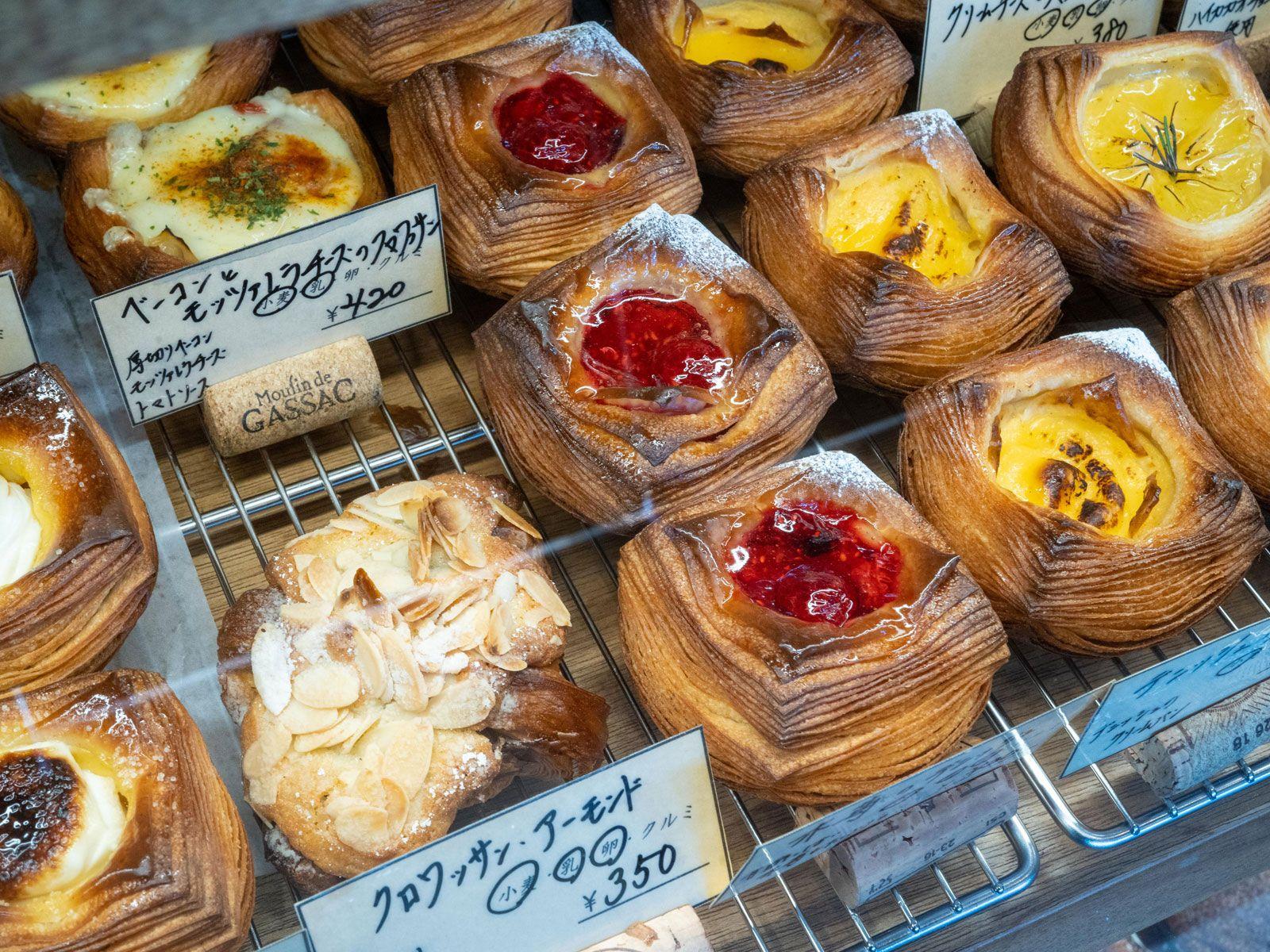
An expert in fruit Danish brings “the usual, but of excellent quality,” to Kamakura / Seipaneshi miyabi

In Nagoya, “Seipan-Ga Miyabi” had been gaining popularity as a shop with delicious Danish. In November last year, it relocated to Yui-ga-hama in Kamakura. Inside a large wooden door that fits naturally into the town of Kamakura, you could find a display of colorful Danish arranged just like in Nagoya. The way the layers fold over each other in a step-like manner is summed up in nothing but “beautiful.”

Discuss this article ↗

2025 / 03

Loved 100 years from now. “Real bread” turns the region.

“The bread that’s good brings people together”—the effort of “bread” × “the local regions,” which has been gradually growing, is one example of repurposing this energy. But first, what exactly is “local bread”? With the environment surrounding domestic wheat changing drastically, if you’re going to bake bread in a local region, you probably need to consider again what that means. Bread that continues to be loved for a long time in that land. Building relationships with local farmers, telling stories about the region’s food culture, and eventually becoming the taste of home for the children who leave the nest

Discuss this article ↗

A “grown-up” bread shop in Kobe—continuing the good traditions of craftsmen / Pan Calite

In Kobe, his hometown where he was born and raised, chef Masahiko Yoneyama of the Osaka bakery chain “Panduce,” famous for bread made with vegetables, opened a shop. The location is Rokko, near his home. It opened in December last year and has lines every day. On the display shelves are only 20 to 30 types—the amount that can be baked by just one person. The original inventive breads from the Panduce era have been sealed away, and instead there are very ordinary, tasteful breads with a refined look—“grown-up bread.”

Discuss this article ↗

A key to sustainability in a one-person shop with flavors from Nagano / Tempan’nue

Nishioi was what I saw from the train windows of the Shōnan-Shinjuku Line—when I actually got off, it was a quiet downtown neighborhood. One of the shops there, tucked among a shopping arcade where the lights of commerce were gradually fading, was actually something interesting. An old shop with a faded sign from the era when it sold electrical goods. If you peek inside, you find an odd space where big, rugged kampan (campagne) is lined up on the counter.

Discuss this article ↗

2025 / 02

Powerful hard-type breads that create synergy with Kagoshima-produced ingredients / Le18e

On a holiday morning, there was a long line outside the shop. When you went in, on long tables stretching deep into the back there were all sorts of delicious-looking breads, and it seemed like many people gathered as if drawn in. And that makes sense. Just the sheer fun of wandering through so many different breads that you can hardly decide what to look at—then grabbing your “prey” with tongs. In recent years, high-level shops have been opening one after another in Kagoshima, turning it into a bread mecca for southern Kyushu. And that’s also the eye of the typhoon…

Discuss this article ↗

2025 / 01

Serial feature on bread people Vol.4 “Katané Bakery” Chef Daisuke Katane

A serial feature where we carefully listen to a “game changer” that had a major influence on the evolution of Japanese bread. This time, the bread made by this bread person looks, at first glance, like nothing special. Where, then, is the evolution hidden in this bread? Looking back at past serial features on bread people: From a punk guitarist to a bread craftsman—an omnipresent business model: a family-run bakery operated by a couple. It was that model that was established and became a leading example—“Katané Bakery” in Yoyogi-Uehara, Tokyo

Discuss this article ↗

Innovative bread that brings the taste of wheat—custom milling in his hometown, Yokohama / Pan and Sweets Iroli

Sapporo’s representative pastry chef Masaya Takasaki of “Boulangerie Coronne” went independent and opened “Pan and Sweets Iroli.” Where do you start a shop with your ideal? I searched all over Japan and found the place in my hometown: Tsuzuki Ward, Yokohama City. In a simple beige-toned space with wooden tables, there are hard-type breads such as baguettes and campagne, displayed with a completion level so impressive it’s hard to look away.

Discuss this article ↗

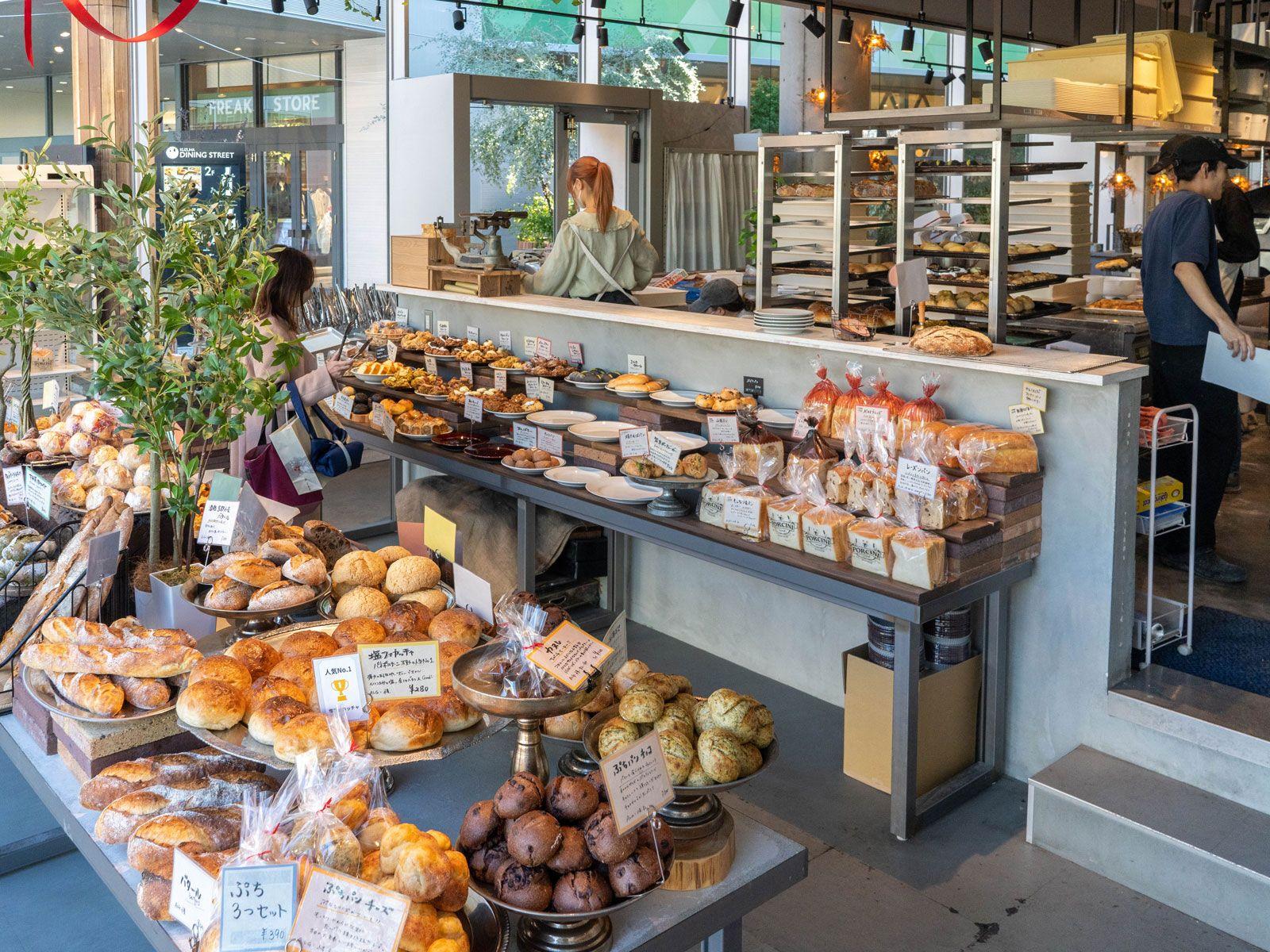
The deliciousness of Kyoto-produced wheat at a shopping mall / pane e caffè porcini KUZUHA

Eating locally produced wheat at a shopping mall. That’s the interesting initiative of “pane e caffè porcini KUZUHA.” It has been getting attention because the queue-famous shop “Pane Porcini” in Fukushima, Osaka—close to Umeda—opened a branch in an out-of-town shopping mall. On the other side of the mountains is Kyoto Prefecture. There are breads made using Setokirara from Kyoto Prefecture that have been popular.

Discuss this article ↗

パンラボ · 朝日新聞「このパンがすごい!」