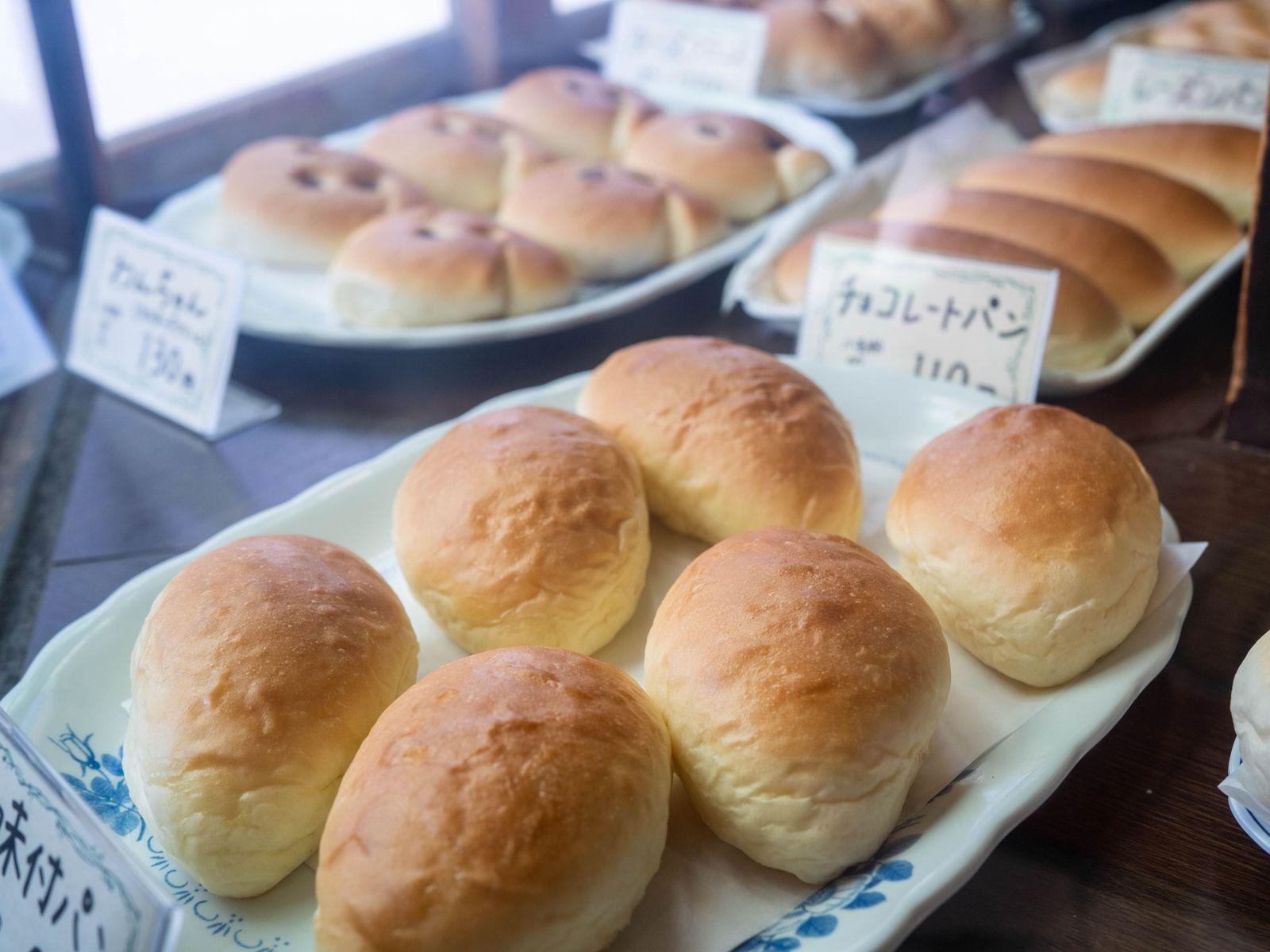
A bread ship packed with a variety of ingredients, open in Hatagaya, Tokyo / Bread Ship
Another young elite has opened a new store. In the shopping arcade just beyond the stairs at Hatagaya Station. In June 2025, Bread Ship opened.
池田浩明 / このパンがすごい!
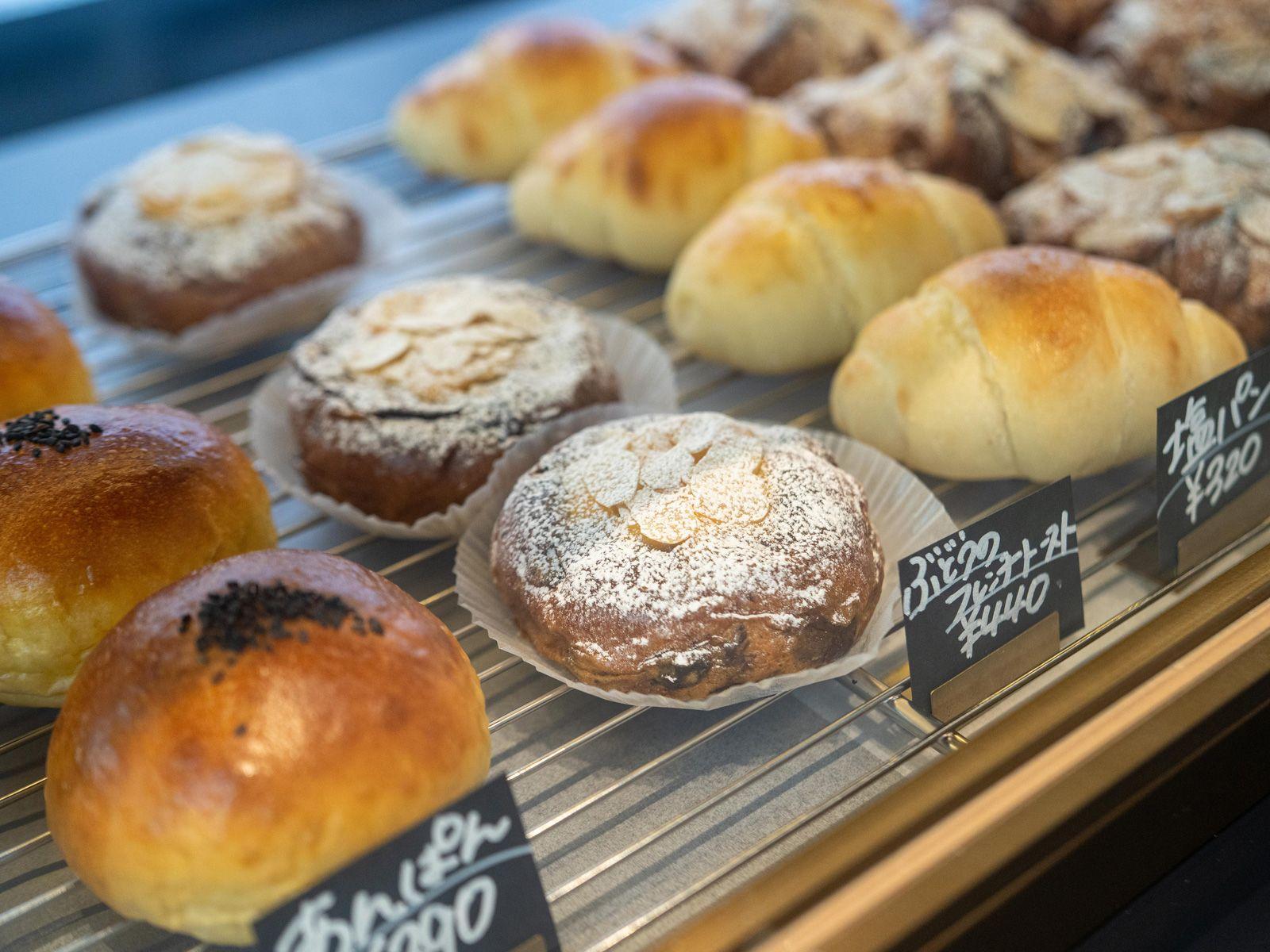
Another young elite has opened a new store. In the shopping arcade just beyond the stairs at Hatagaya Station. In June 2025, Bread Ship opened.
池田浩明 / このパンがすごい!
While driving along a forest road, we encountered a spot where a stark-white trailer was parked. Inside that long, narrow, small space, it’s a full-fledged bakery. There’s a kitchen, an oven, and a sales area. And what’s lined up there are breads made with local ingredients—something that makes your heart race with excitement.
池田浩明 / このパンがすごい!
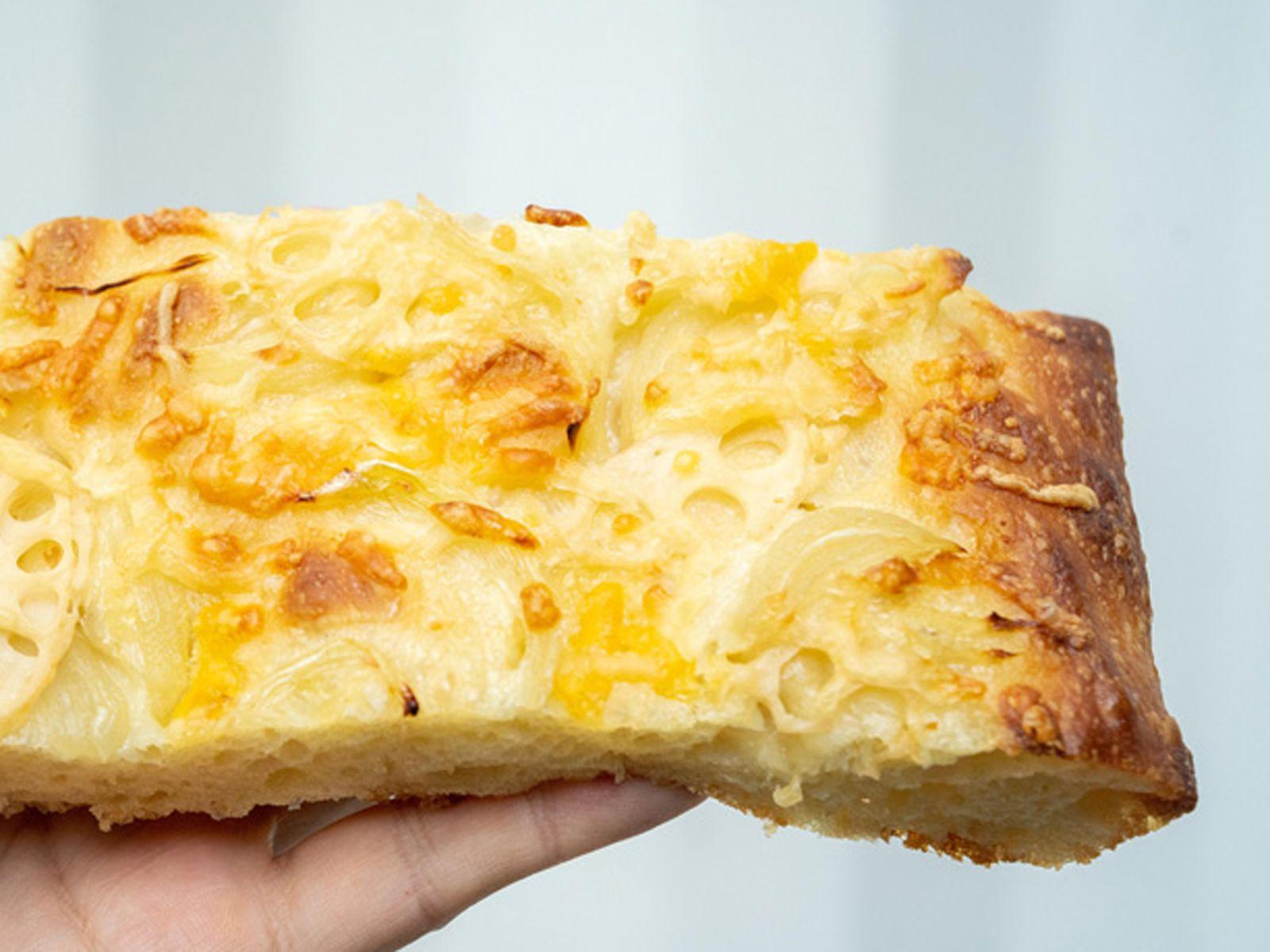
On July 1, “Sawamura,” which operates bakeries across Japan, started a new project in Karuizawa. Firewood ovens, homemade milling, high hydration, and domestic wheat. It’s truly an “everything-loaded” approach using cutting-edge methods.
池田浩明 / このパンがすごい!
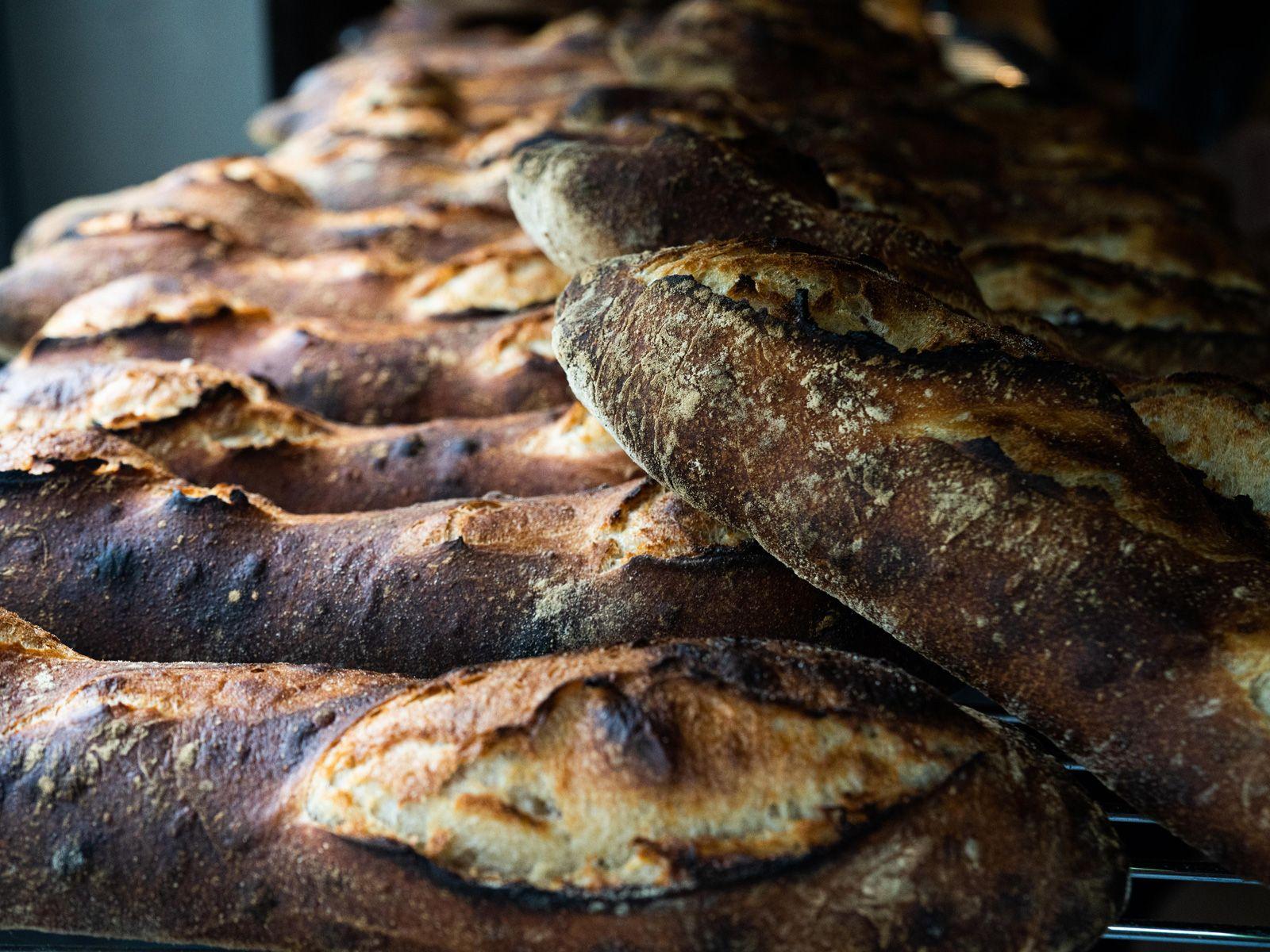
Trendy breads come from Korea! It would be no exaggeration to say that new breads are being created one after another in Seoul’s bread scene. Following the idea, “If you let someone make sandwiches, there’s no one who can beat you!”—we gathered around notable Seoul bakeries. Bread Lab, that is, Hiroaki Ikeda, who is also well versed in Seoul, made Naruse Hayato, the owner of the popular Shibuya cafe “CAMELBACK sandwich&espresso,” our navigator as he “took us on a tour,” and…
池田浩明 / ELLE gourmet
Hiroaki Ikeda, who presides over the Bread Research Institute “Bread Lab,” explores “real bread” that has long been loved in the region. He aims to produce the “Roadside Station for Bread” in Kawasaki-machi, Fukuoka Prefecture, opening in 2028! We’ll follow the thought process leading up to Ikeda’s launch. This time, we’ll look at the power of an Aichi local flour mill that cultivates regional land and grows bread culture. Flour turns into a living thing. From the gnawing wheat, crack the wheat using a metal millstone called the “Kanausu (金臼),” and…
池田浩明 / 料理通信
There’s a bread artisan with an unbelievable way of making bread—Chef Masaya Tanaka of Oliveriain in Yame, Fukuoka Prefecture. When you eat his bread, you feel as if you’ve stepped into an entirely new world.
池田浩明 / このパンがすごい!
Hiroaki Ikeda, who hosts the Bread Research Laboratory (“Pan Labo”), explores “real bread” that has long been loved in the region. His goal is to produce Fukuoka’s “Road Station for Bread” (“Pan no Michi no Eki”) in Kawasaki, Fukuoka Prefecture, which will open in 2028! We’ll follow the thought process that led Ikeda to launch his business. This time, let’s talk about new “milling” that pushes the possibilities of bread-making even further. Making delicious wheat into delicious flour. Since around the late 2000s, when Japanese-grown wheat became widespread, bread bakers started visiting wheat fields on foot. They were amazed by the golden harvest there, and they began to put the effort of producers into their own bread-making. And then they started to aim to express, in bread, the flavor of each wheat variety and each land (terroir). And yet, compared with meat and vegetables, that was difficult. One reason is that wheat involves a milling process. Delicious wheat has to be milled into flour without losing what makes it delicious. The passion of bread bakers who want to bring wheat’s individuality into bread will also change the way milling is done.
池田浩明 / 料理通信
Far from both the expressway and the nearest station, beyond mountain after mountain, is the hot-spring resort of Aso’s interior: Kurokawa Onsen. Here, a project is underway that will help shape the future of the region. In a hillside area of a lush plateau, eight restaurants are scattered, and at the center is Au Kurokawa (アウ・クロカワ). Its main facility, “Au Pan & Coffee,” opened last year.
池田浩明 / このパンがすごい!
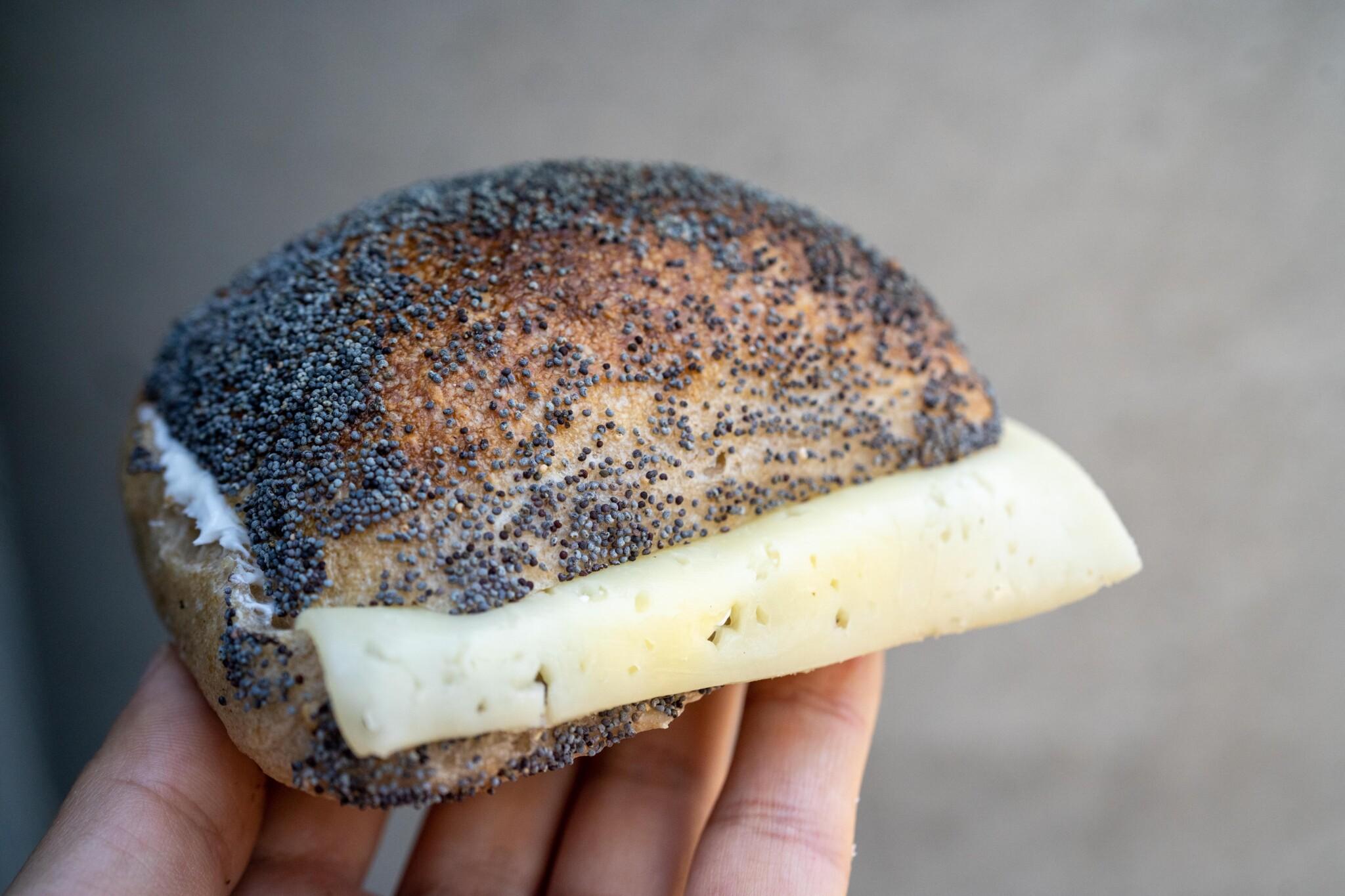
If you head east along Ōmachi Ōji from the center of Kamakura, you’ll find a forked stretch where the road divides. At that point is a round building that used to be a former police box. When the weekend arrives, a sudden crowd forms there. Inside, two people who came from the Netherlands bake and sell Scandinavian-style sourdough made with homemade yeast starter (l u v a n). They greet you with smiles—speaking in English, and sometimes in broken Japanese.
池田浩明 / このパンがすごい!
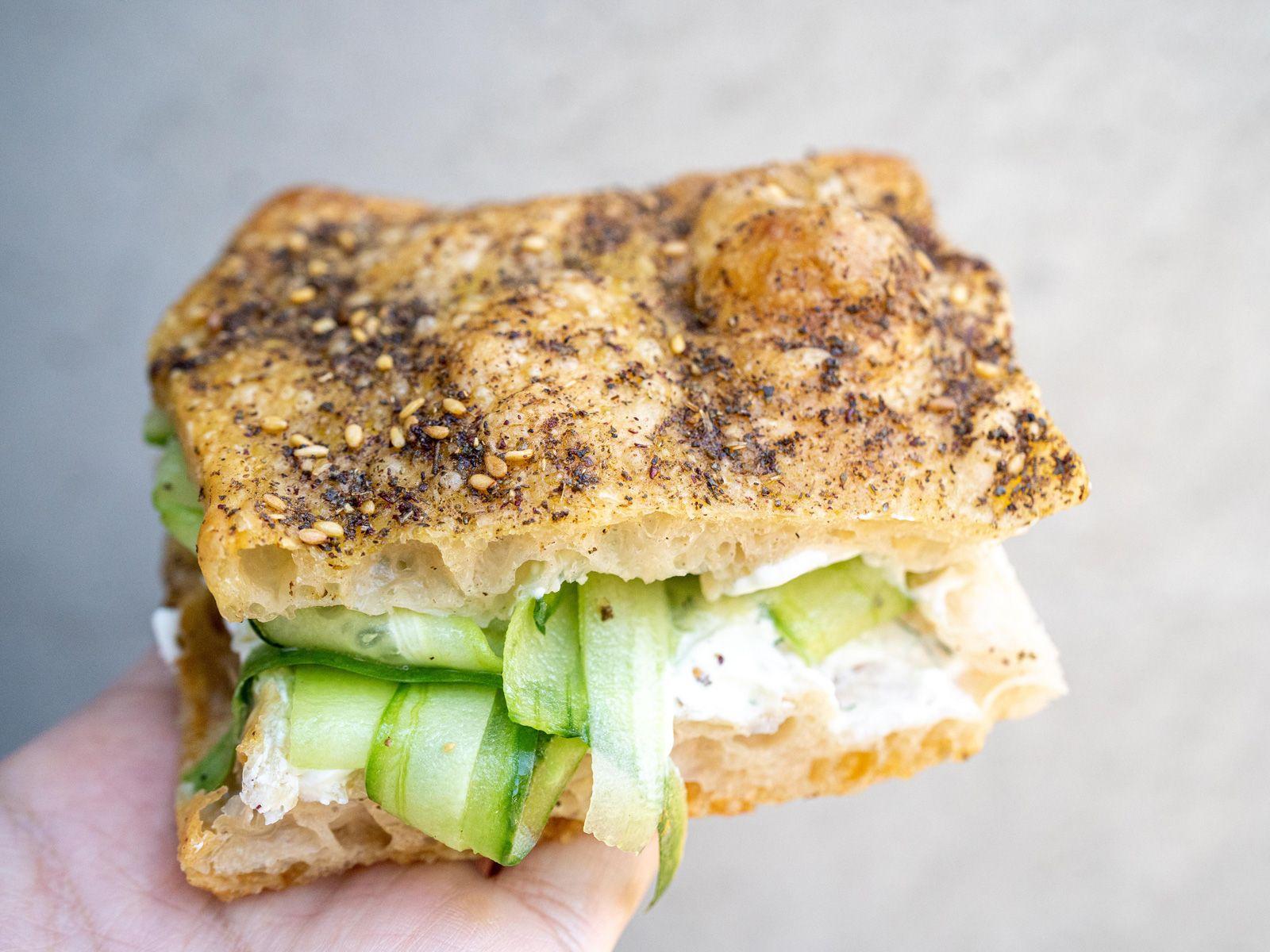
From Norway—the advanced region for sourdough—where he’s based, female baker Burcu suddenly landed in Japan and started the micro bakery “pide.” The location is Kamakura. It is a building that used to be a police box, situated in a spot you reach by walking straight down the shopping street for a while. If you let your guard down and go slowly, by the time you arrive there’s already a massive line. I felt relieved that people in Kamakura really like sourdough. Inside, as Burcu’s husband talks with a smile saying “Hi!,”
池田浩明 / &Premium
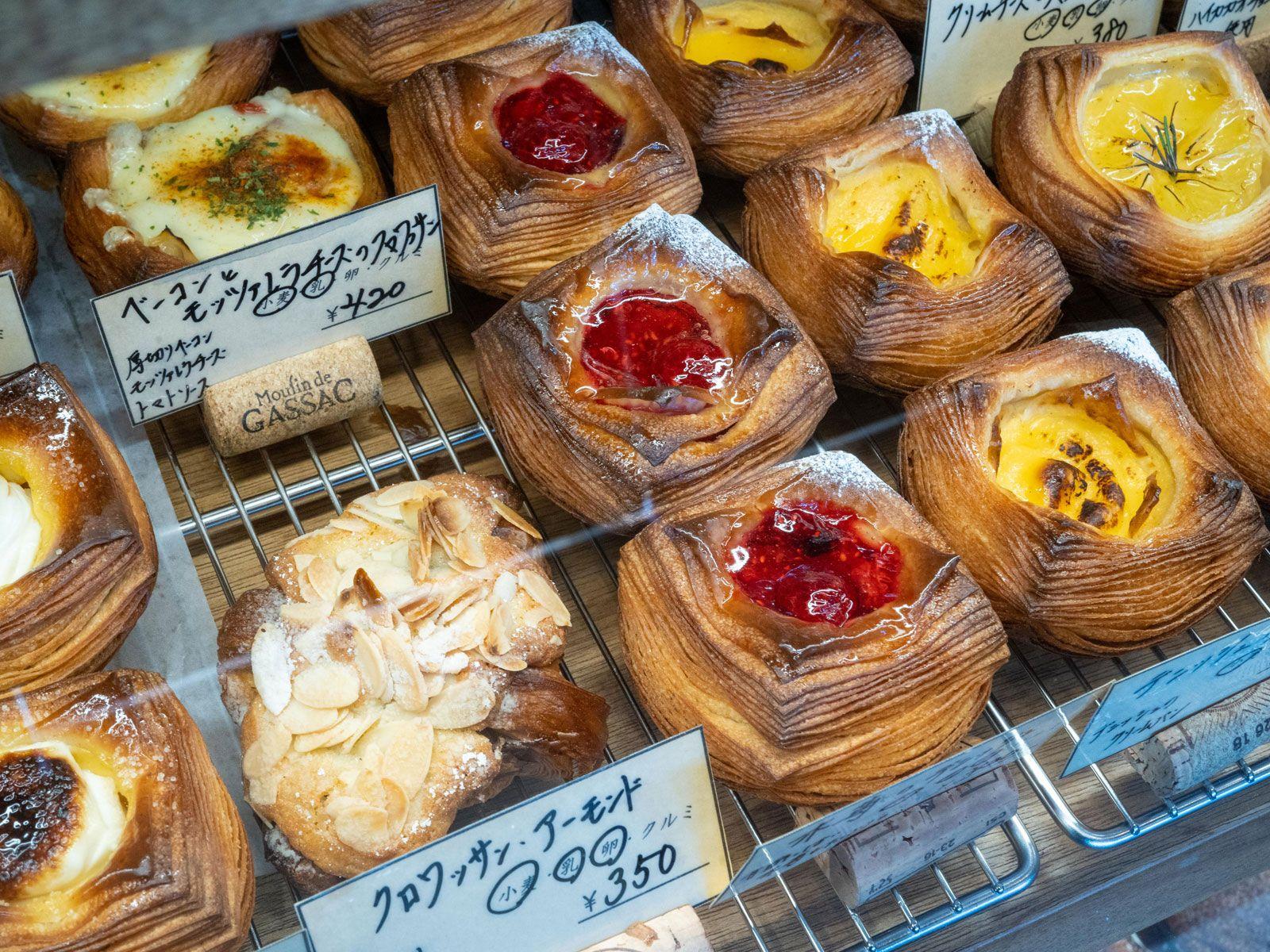
In Nagoya, “Seipan-Ga Miyabi” had been gaining popularity as a shop with delicious Danish. In November last year, it relocated to Yui-ga-hama in Kamakura. Inside a large wooden door that fits naturally into the town of Kamakura, you could find a display of colorful Danish arranged just like in Nagoya. The way the layers fold over each other in a step-like manner is summed up in nothing but “beautiful.”
池田浩明 / このパンがすごい!
“The bread that’s good brings people together”—the effort of “bread” × “the local regions,” which has been gradually growing, is one example of repurposing this energy. But first, what exactly is “local bread”? With the environment surrounding domestic wheat changing drastically, if you’re going to bake bread in a local region, you probably need to consider again what that means. Bread that continues to be loved for a long time in that land. Building relationships with local farmers, telling stories about the region’s food culture, and eventually becoming the taste of home for the children who leave the nest
池田浩明 / 料理通信
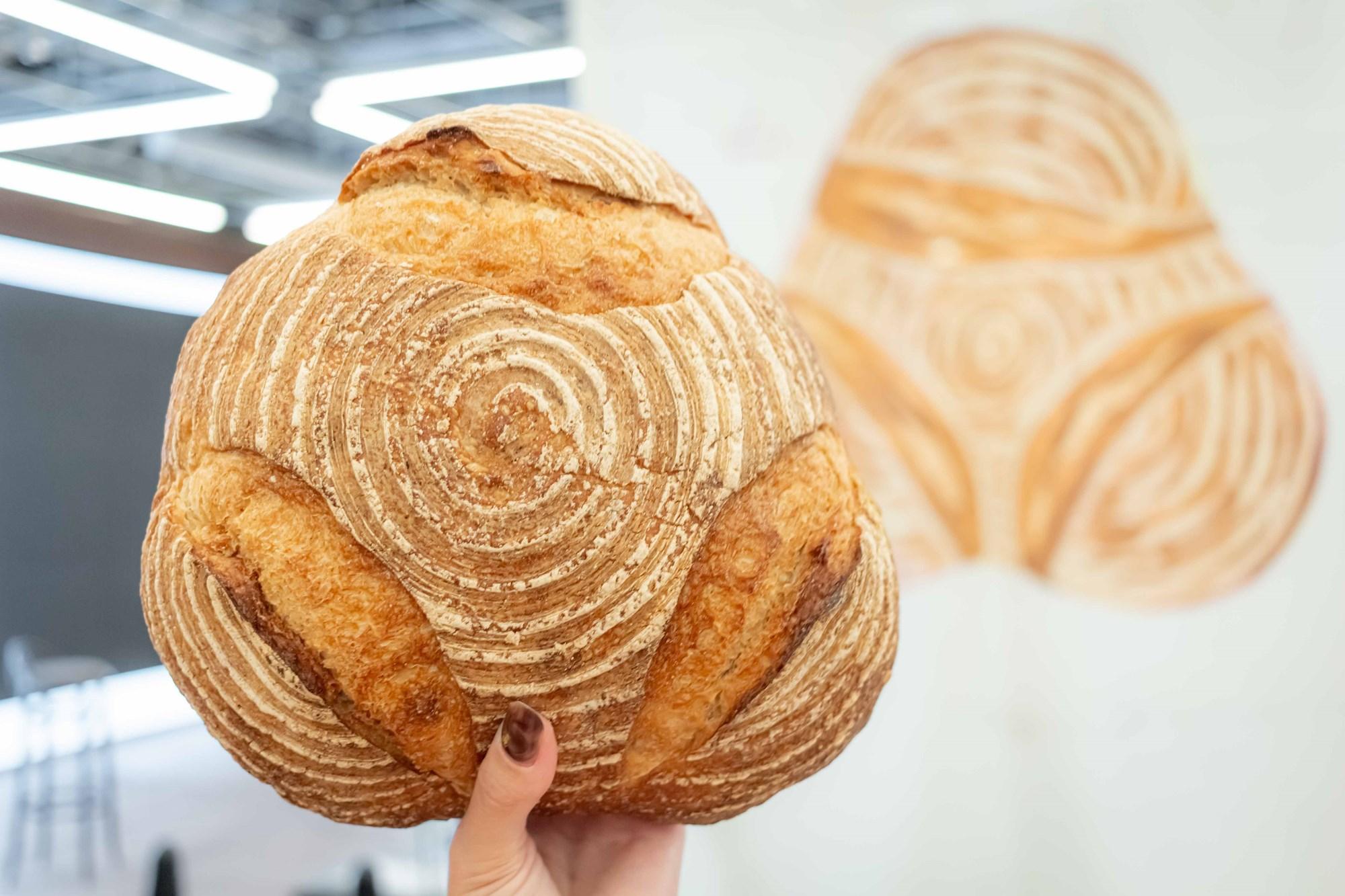
In Kobe, his hometown where he was born and raised, chef Masahiko Yoneyama of the Osaka bakery chain “Panduce,” famous for bread made with vegetables, opened a shop. The location is Rokko, near his home. It opened in December last year and has lines every day. On the display shelves are only 20 to 30 types—the amount that can be baked by just one person. The original inventive breads from the Panduce era have been sealed away, and instead there are very ordinary, tasteful breads with a refined look—“grown-up bread.”
池田浩明 / このパンがすごい!
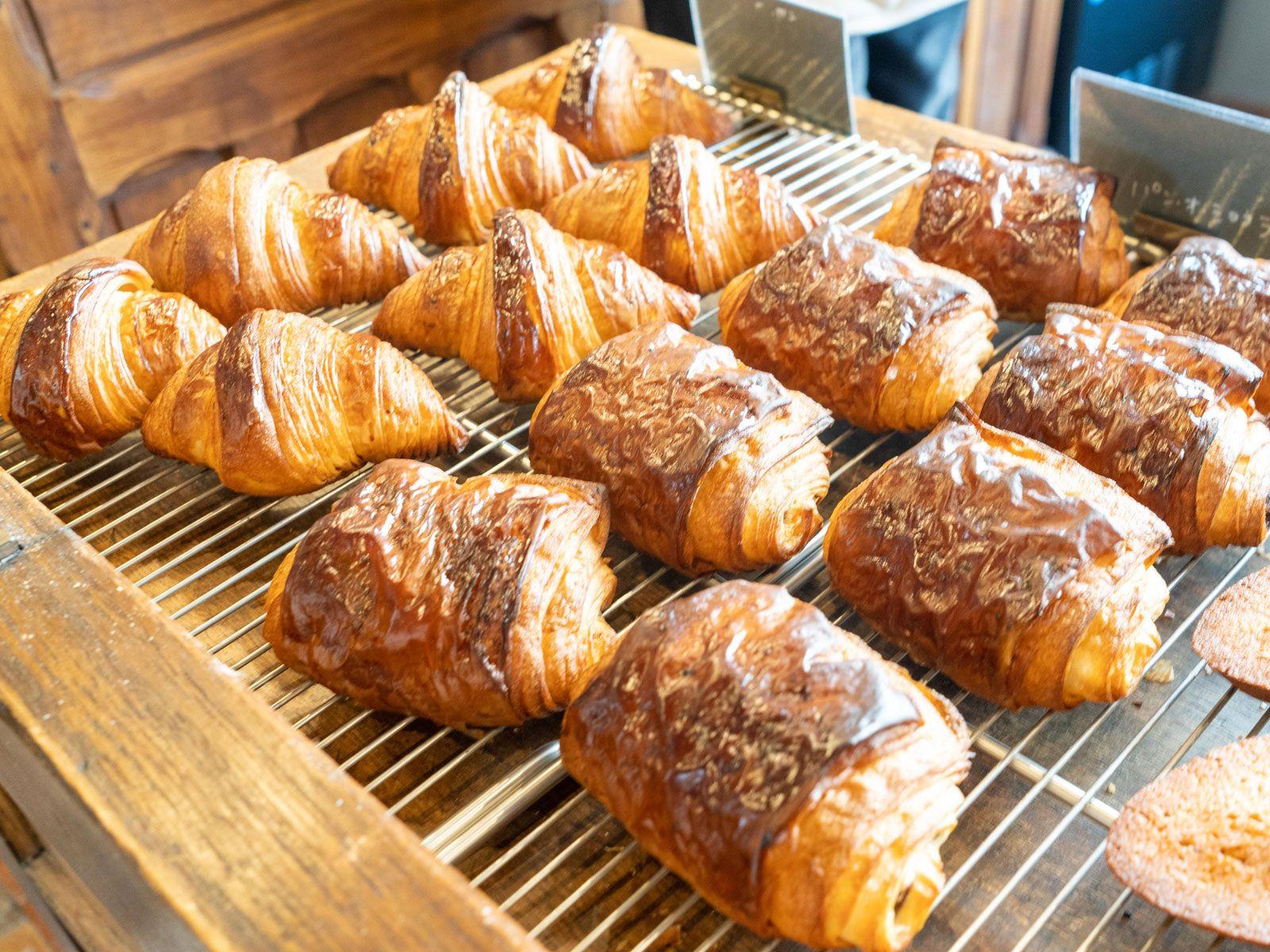
Nishioi was what I saw from the train windows of the Shōnan-Shinjuku Line—when I actually got off, it was a quiet downtown neighborhood. One of the shops there, tucked among a shopping arcade where the lights of commerce were gradually fading, was actually something interesting. An old shop with a faded sign from the era when it sold electrical goods. If you peek inside, you find an odd space where big, rugged kampan (campagne) is lined up on the counter.
池田浩明 / このパンがすごい!
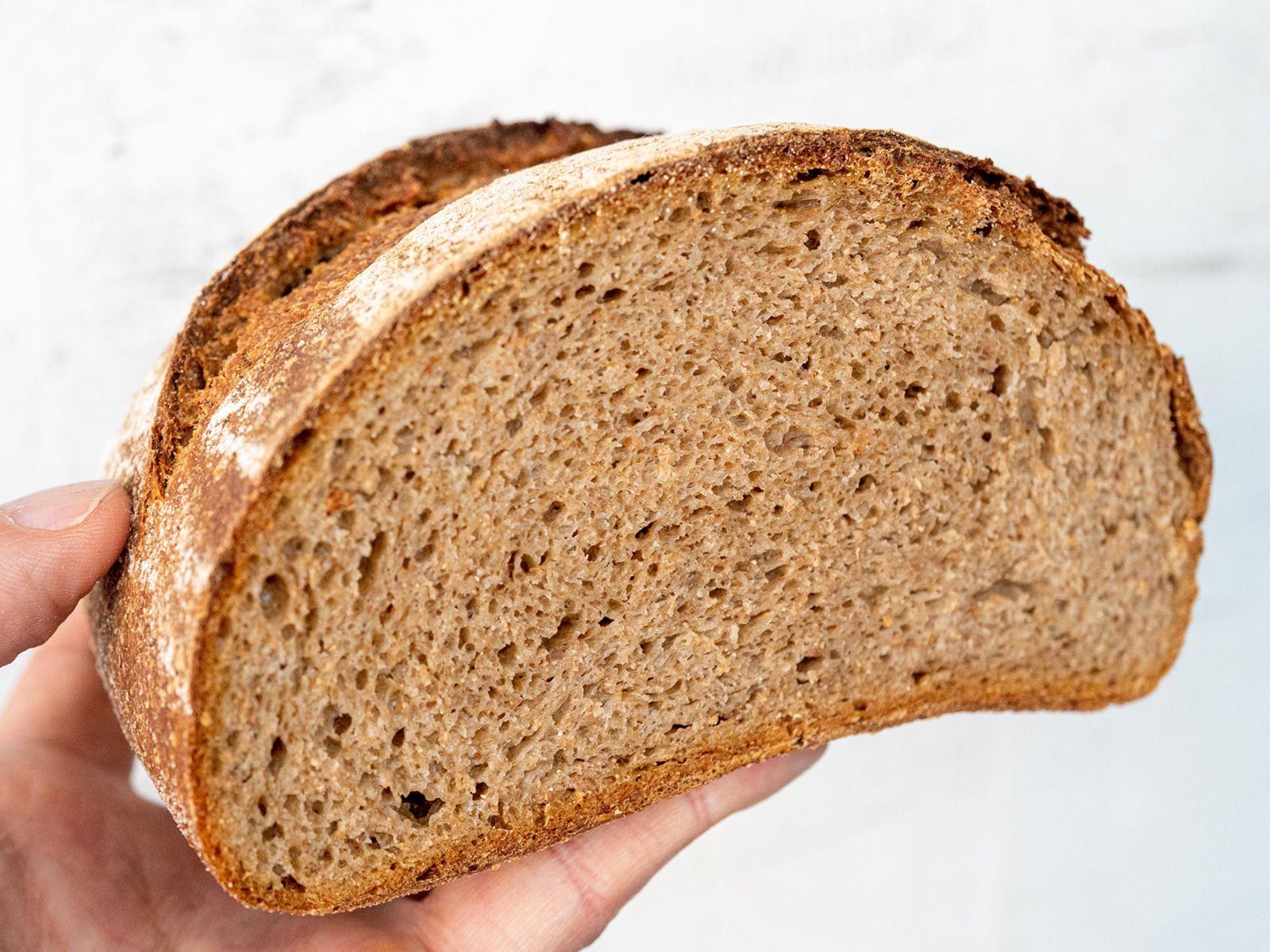
In one corner of Grand Front Osaka, a commercial facility directly connected to Osaka Station, long lines have formed, drawn by a new sensory high-hydration dough. More than 100 types—sweet breads, savory (so-zai) breads, and sandwich bread. A bread heaven has appeared right in the middle of Osaka.
池田浩明 / このパンがすごい!

On a holiday morning, there was a long line outside the shop. When you went in, on long tables stretching deep into the back there were all sorts of delicious-looking breads, and it seemed like many people gathered as if drawn in. And that makes sense. Just the sheer fun of wandering through so many different breads that you can hardly decide what to look at—then grabbing your “prey” with tongs. In recent years, high-level shops have been opening one after another in Kagoshima, turning it into a bread mecca for southern Kyushu. And that’s also the eye of the typhoon…
池田浩明 / このパンがすごい!
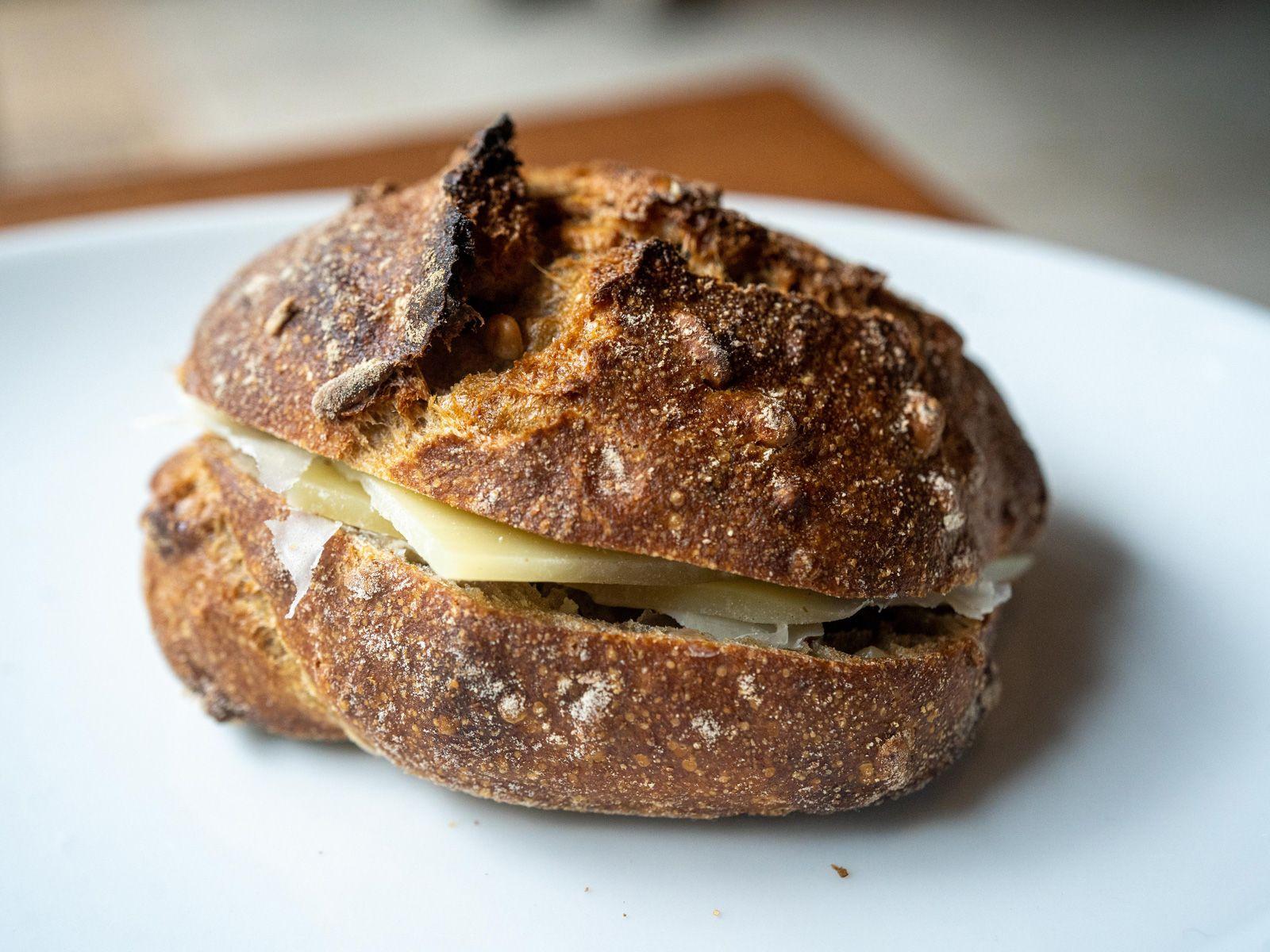
Sapporo’s representative pastry chef Masaya Takasaki of “Boulangerie Coronne” went independent and opened “Pan and Sweets Iroli.” Where do you start a shop with your ideal? I searched all over Japan and found the place in my hometown: Tsuzuki Ward, Yokohama City. In a simple beige-toned space with wooden tables, there are hard-type breads such as baguettes and campagne, displayed with a completion level so impressive it’s hard to look away.
池田浩明 / このパンがすごい!
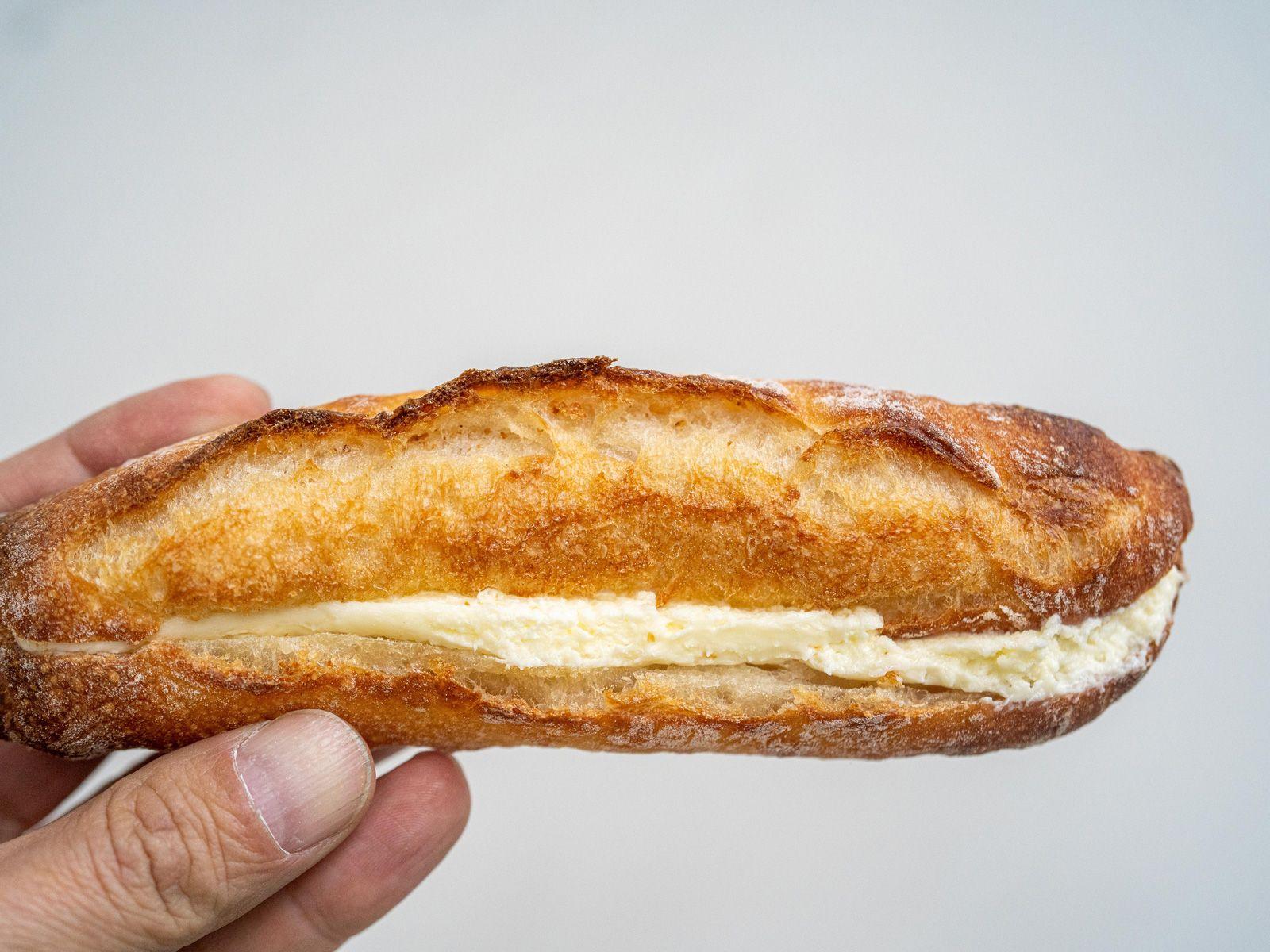
Eating locally produced wheat at a shopping mall. That’s the interesting initiative of “pane e caffè porcini KUZUHA.” It has been getting attention because the queue-famous shop “Pane Porcini” in Fukushima, Osaka—close to Umeda—opened a branch in an out-of-town shopping mall. On the other side of the mountains is Kyoto Prefecture. There are breads made using Setokirara from Kyoto Prefecture that have been popular.
池田浩明 / このパンがすごい!
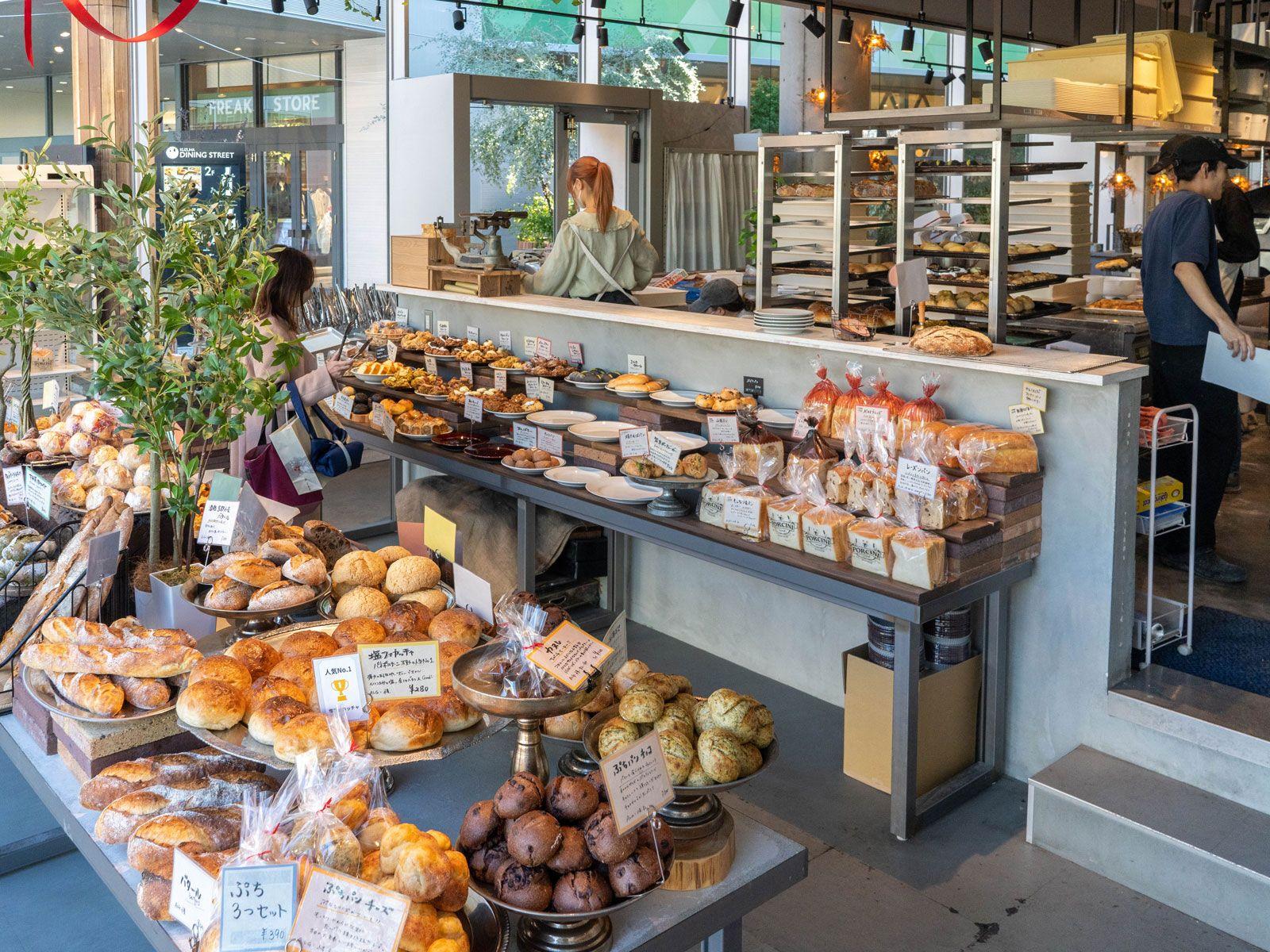
Is there a bakery café that’s got it together, even though there’s a park where an express train stops and swan boats float? That’s what I’d been wondering for a long time in the area around Ishigami-ji Park, and then I found that the ideal café “NAMINAMI” had already opened.
池田浩明 / このパンがすごい!
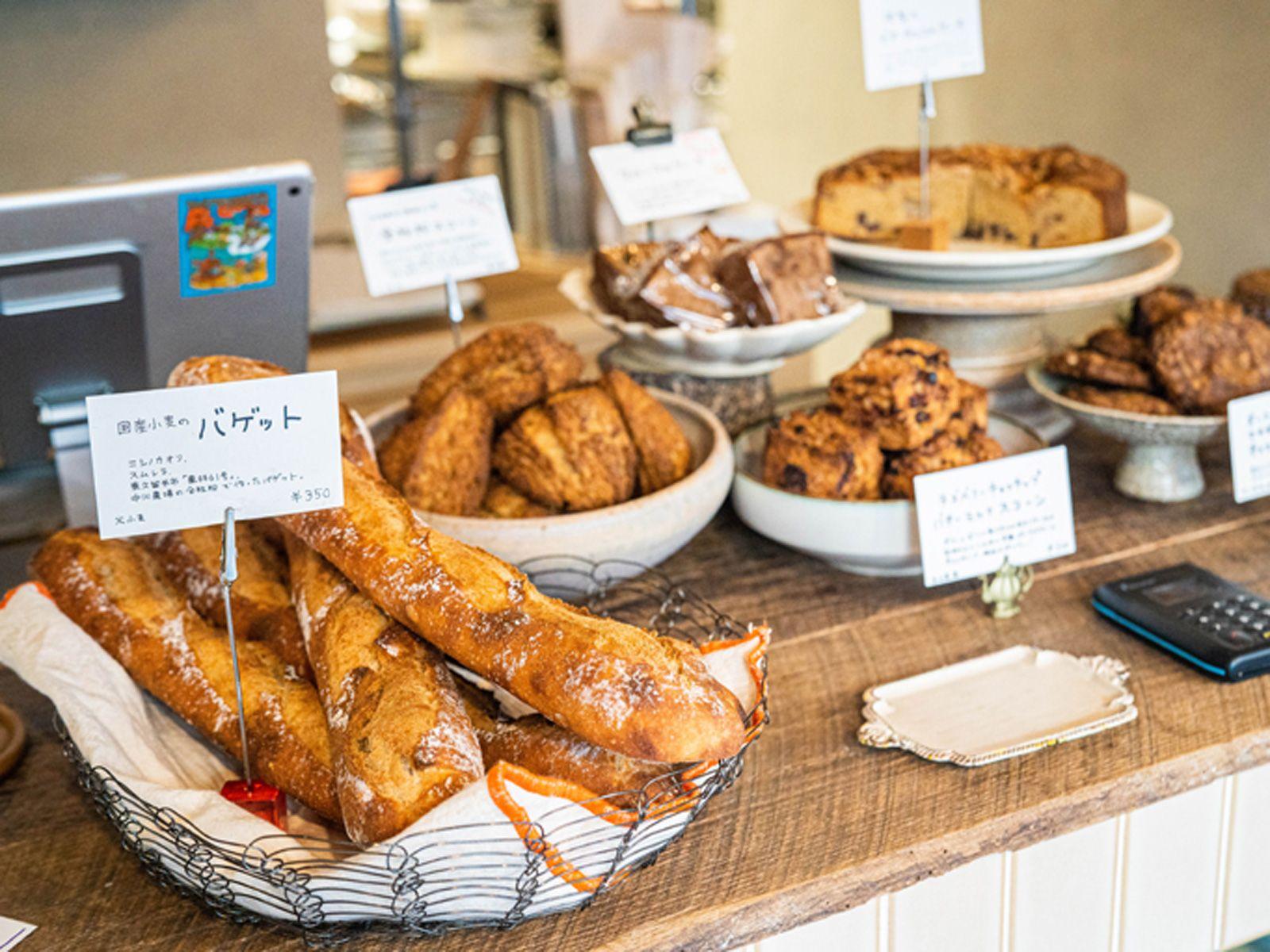
In northern Sapporo, there’s a sweets shop that bakes amazing bread even though it isn’t a bakery. The view at Sweet Hearts Nanpo is abnormal. Next to the showcase filled with colorful cakes, there are plenty of viennoiseries (croissants and apple pies) and sandwich bread. On weekends, you can see a strange scene where baguettes, curry buns, and pizza bread line up alongside more serious pâtisserie items.
池田浩明 / このパンがすごい!
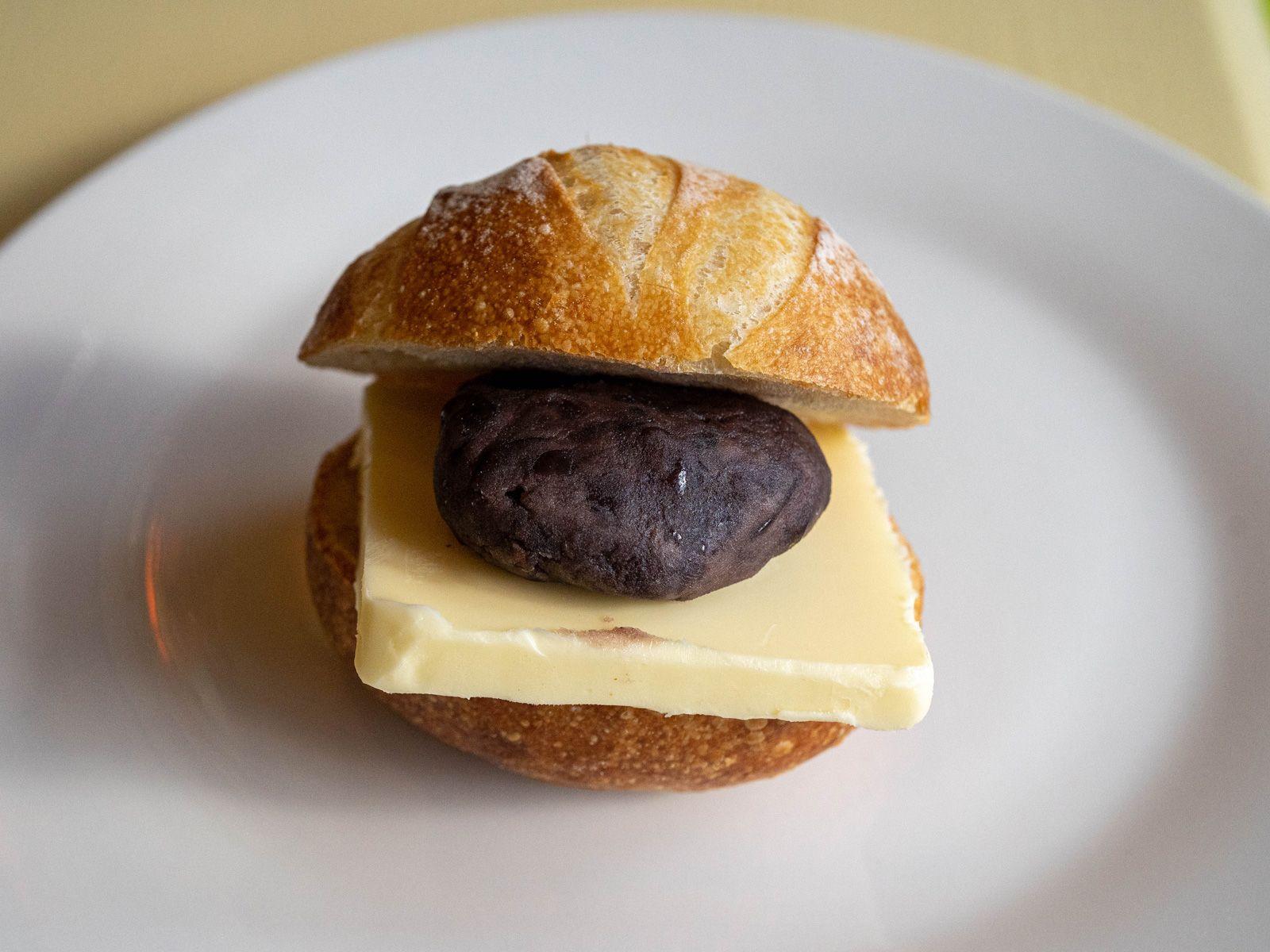
Minee City is in the middle of Yamaguchi Prefecture, a town where Akiyoshidai is located. The area around Minee Station is so quiet it’s as if time has stopped. In the old streetscape, there is a three-story wooden building, with its construction history reaching 100 years. In front of it, a long line has formed. What exactly is everyone waiting for, for such a long time?
池田浩明 / このパンがすごい!
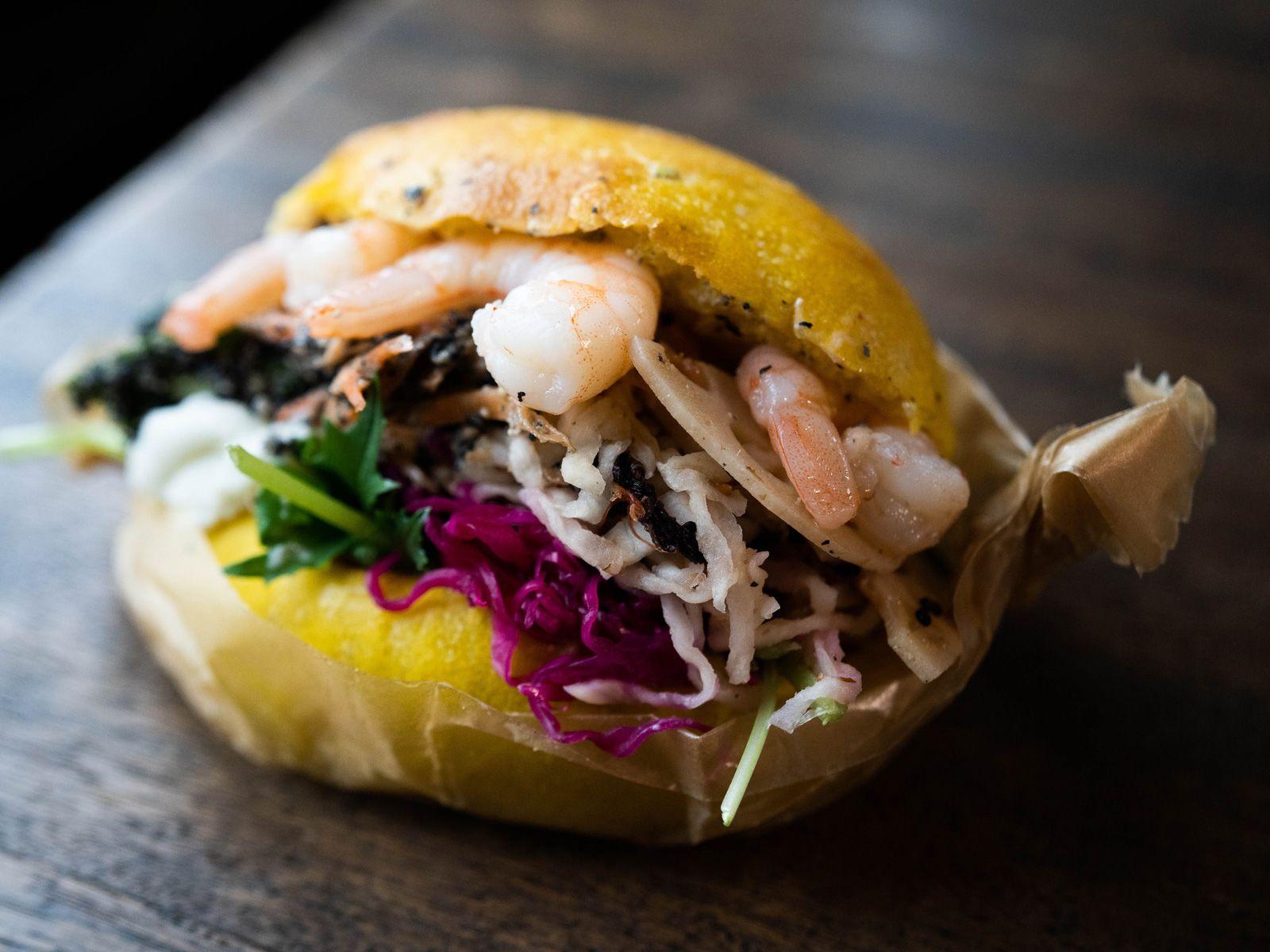
Before and after “Amamudakotan,” the scene was rewritten. Bread piled high with everything—dishes, sweets, all sorts of extravagant things. The shop is like a medieval castle, like Hayao Miyazaki. Sharing those appetizing sights on SNS made the era’s favored one, Chef Ryōta Hirako, who captured society’s hovering desires—“I want to go there, I want to eat that”—and made them real. Let’s unravel the evolving Hirako world through an interview.
池田浩明 / ELLE gourmet

In a good town, there’s a good bakery. When a bakery with good bread opens in a town that hadn’t been popular yet, it brings energy to the place. A good bakery drives the community. I encountered an unparalleled example in Denmark, 8600 km away.
池田浩明 / このパンがすごい!
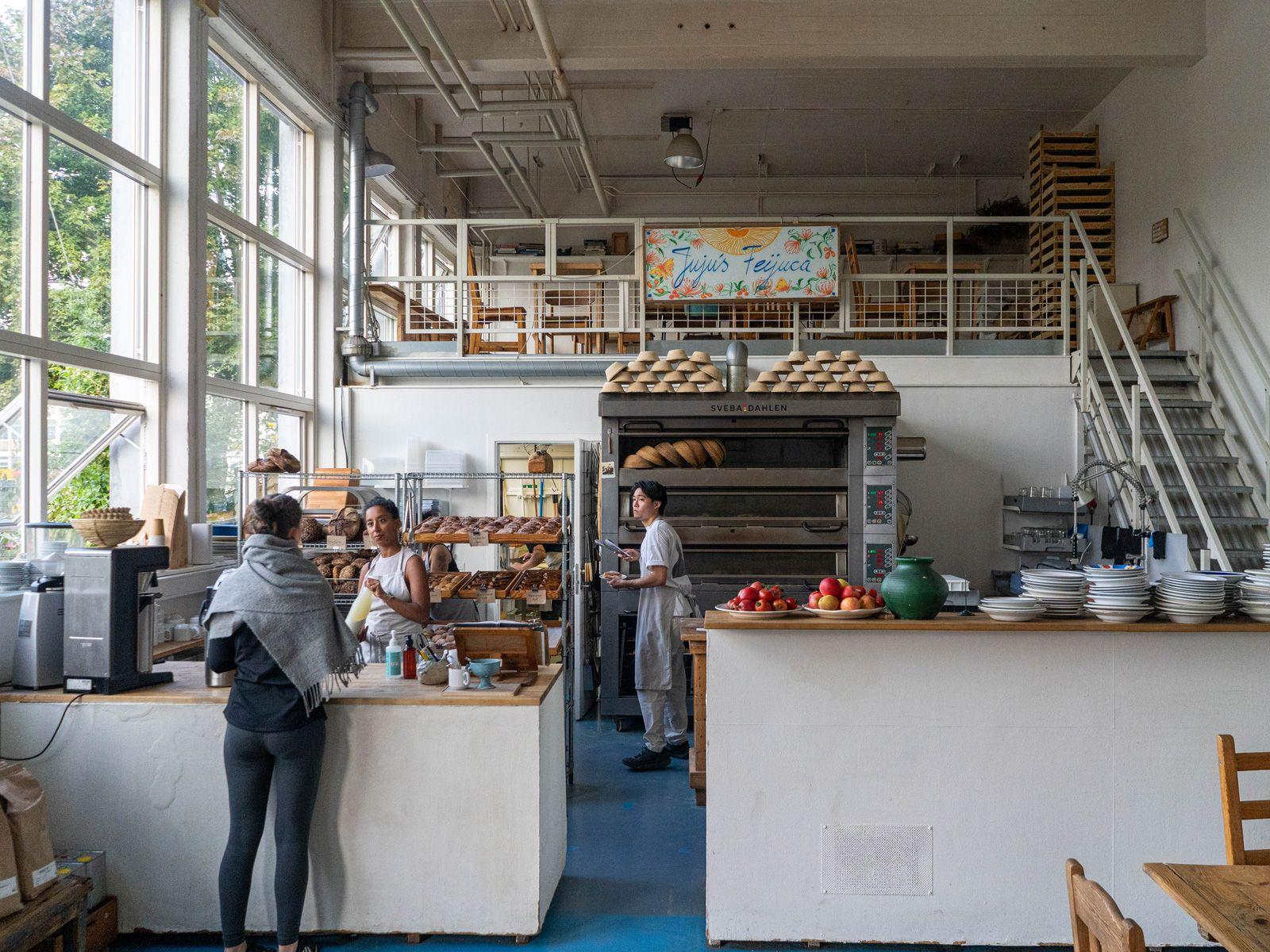
I drove from Nagoya to the Chita Peninsula, which juts south of Aichi Prefecture. It took less than an hour using the expressway. In a small seaside town, I encountered a truly exceptional loaf of bread.
池田浩明 / このパンがすごい!