Blog

Bakers & craft · 943 articles / Newest firstClear filters

2025 / 07

2025 / 06

Beyond “Domestic Wheat.” Connecting local fields and bread—Aichi’s local flour mill /

Hiroaki Ikeda, who presides over the Bread Research Institute “Bread Lab,” explores “real bread” that has long been loved in the region. He aims to produce the “Roadside Station for Bread” in Kawasaki-machi, Fukuoka Prefecture, opening in 2028! We’ll follow the thought process leading up to Ikeda’s launch. This time, we’ll look at the power of an Aichi local flour mill that cultivates regional land and grows bread culture. Flour turns into a living thing. From the gnawing wheat, crack the wheat using a metal millstone called the “Kanausu (金臼),” and…

Discuss this article ↗

2025 / 05

“Stone mill × roll” brings out the personality of wheat. Hybrid milling opens up a new era of bread-making

Hiroaki Ikeda, who hosts the Bread Research Laboratory (“Pan Labo”), explores “real bread” that has long been loved in the region. His goal is to produce Fukuoka’s “Road Station for Bread” (“Pan no Michi no Eki”) in Kawasaki, Fukuoka Prefecture, which will open in 2028! We’ll follow the thought process that led Ikeda to launch his business. This time, let’s talk about new “milling” that pushes the possibilities of bread-making even further. Making delicious wheat into delicious flour. Since around the late 2000s, when Japanese-grown wheat became widespread, bread bakers started visiting wheat fields on foot. They were amazed by the golden harvest there, and they began to put the effort of producers into their own bread-making. And then they started to aim to express, in bread, the flavor of each wheat variety and each land (terroir). And yet, compared with meat and vegetables, that was difficult. One reason is that wheat involves a milling process. Delicious wheat has to be milled into flour without losing what makes it delicious. The passion of bread bakers who want to bring wheat’s individuality into bread will also change the way milling is done.

Discuss this article ↗

2025 / 04

The “mochutspuri” sourdough made by Kohei Kato of “KISO” in Nagoya. Sourdough Diary vol.3. Photos and text: Hiroaki Ikeda (Editor-in-chief of “Pan Lab”) #3

○Month ×Day Visiting Kohei Kato’s “KISO” in Nagoya, after he came from Fukuoka’s famous shop “Pan Stock.” The online ticket-number arrangement system sells out instantly as soon as tickets go on sale—an extremely popular shop. Perhaps it’s because the fillings are generous and the appearance is dazzling that many people are drawn to it. For example, “Chocolate Rye,” “Nut Rye,” “Fruit Rye,” “Hatcho Miso Rye,” and “Seed Rye.” From a single rye-containing dough, 5 types of

Discuss this article ↗

Enjoy the dishes, then buy bread to take home. A dream bakery restaurant born in Nagoya / VOLLON

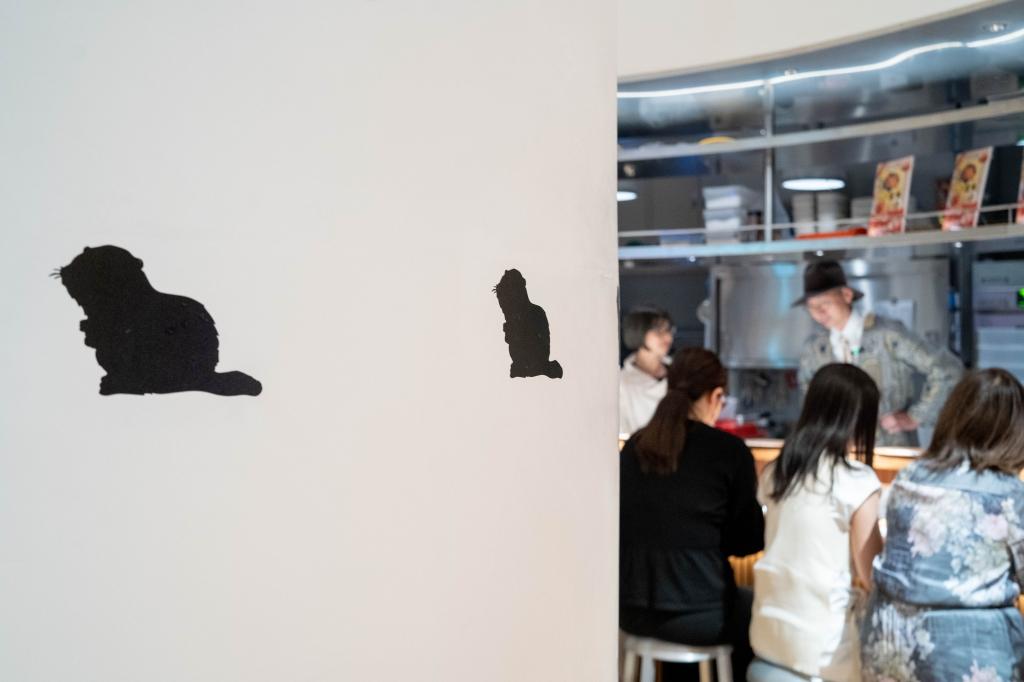
“VOLLON,” a massive bakery restaurant with more than 50 seats, opened last year right in front of Chihaya Park in Nagoya. In a fully open kitchen (chūbō), bread is baked out of the ovens, creating exceptionally great dishes. There is a café where you can enjoy morning service and teatime, and there is also a bakery where you can buy bread to take home. It’s a dream of a shop like that.

Discuss this article ↗

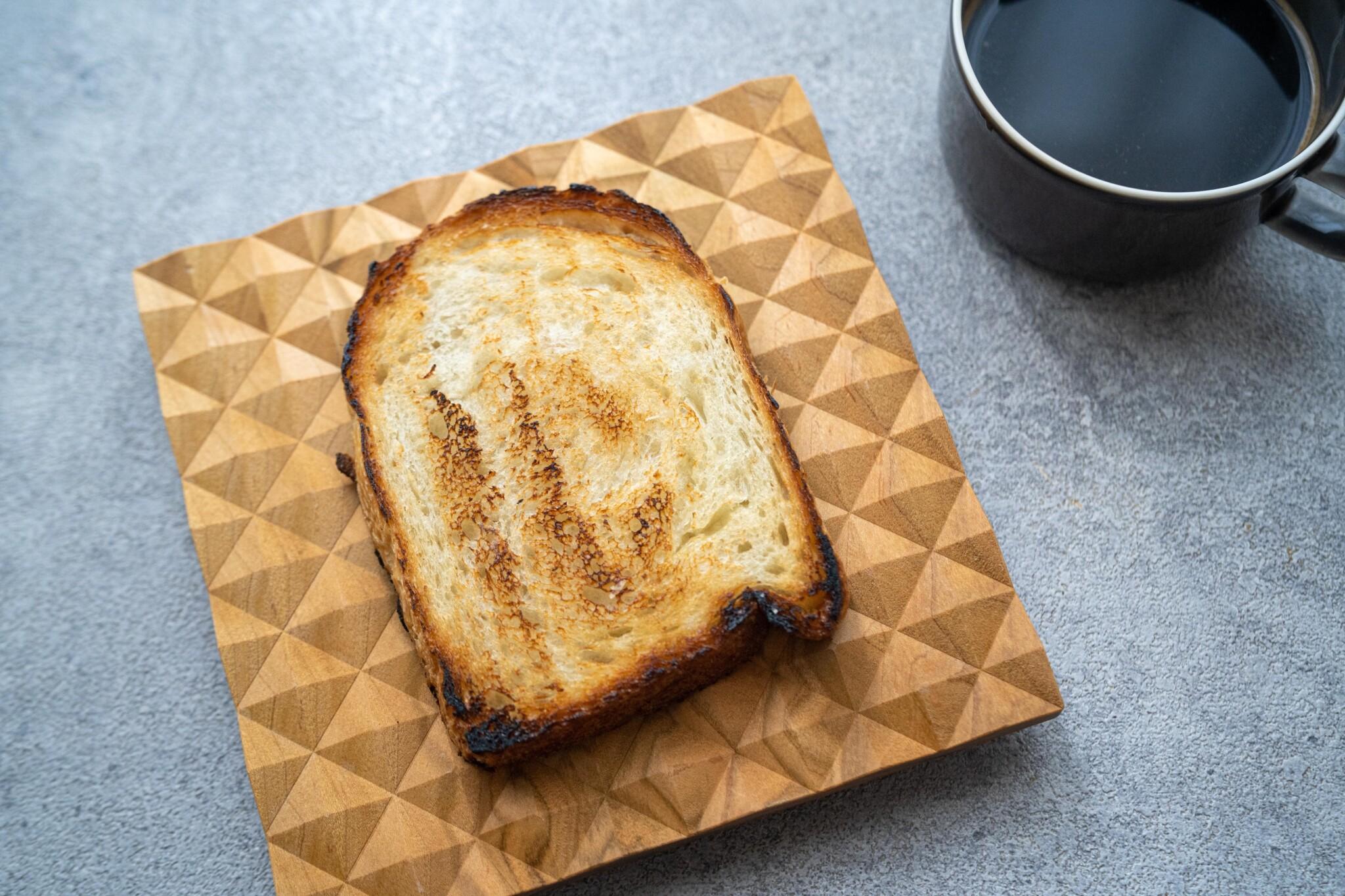
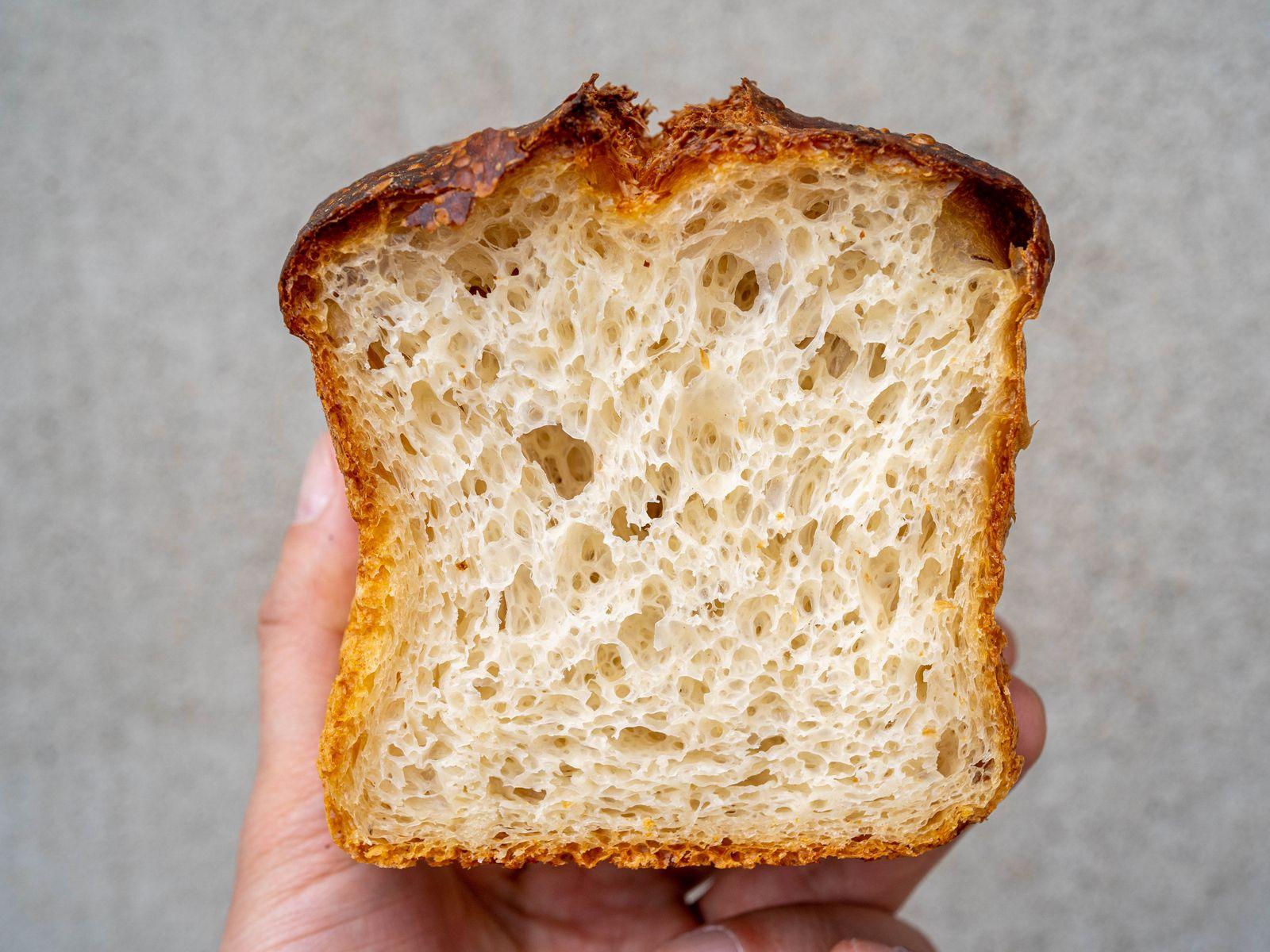
A butter-free sandwich bread (shokupan) from “Pan-ya Shiom i” in Minami-Shinjuku, Tokyo. Sourdough Diary vol.1. Photos and text: Hiroaki Ikeda (Editor-in-chief of “Pan Lab”) #1

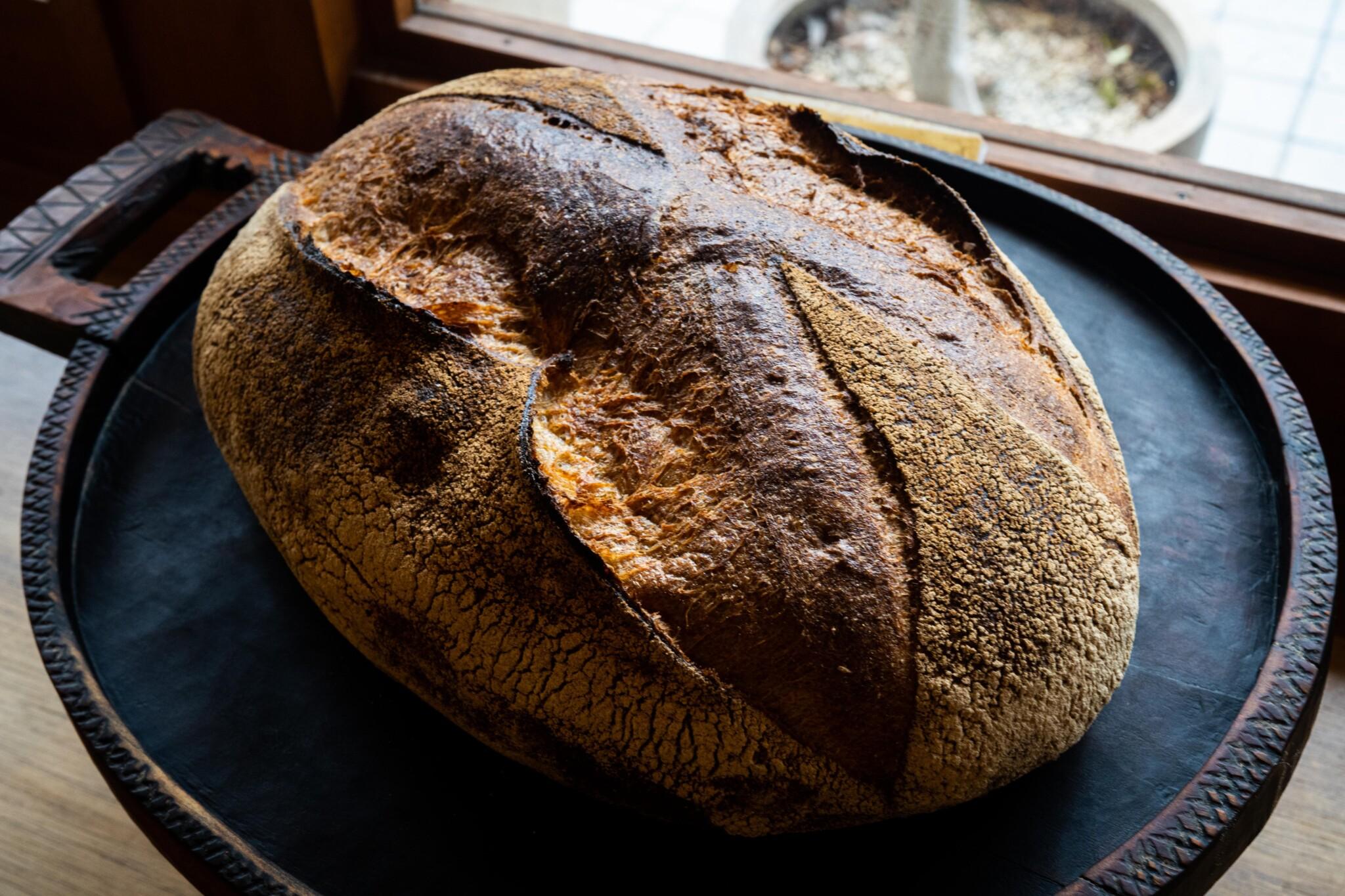
Recently, I’ve been curious about “sourdough.” Sourdough is a type of bread that, not long ago, would have been called naturally fermented yeast. Instead of using yeast (commercial bread yeast), you create a fermentation starter and then make it by hand from the yeast itself. It caught fire from the West Coast, and while it moved in tandem with the fermentation boom, it became a worldwide movement. Since everything is craft, not only the lives and ways of the makers are reflected in the bread, but also the local climate and culture through the microbes and the wheat.

Discuss this article ↗

An expert in fruit Danish brings “the usual, but of excellent quality,” to Kamakura / Seipaneshi miyabi

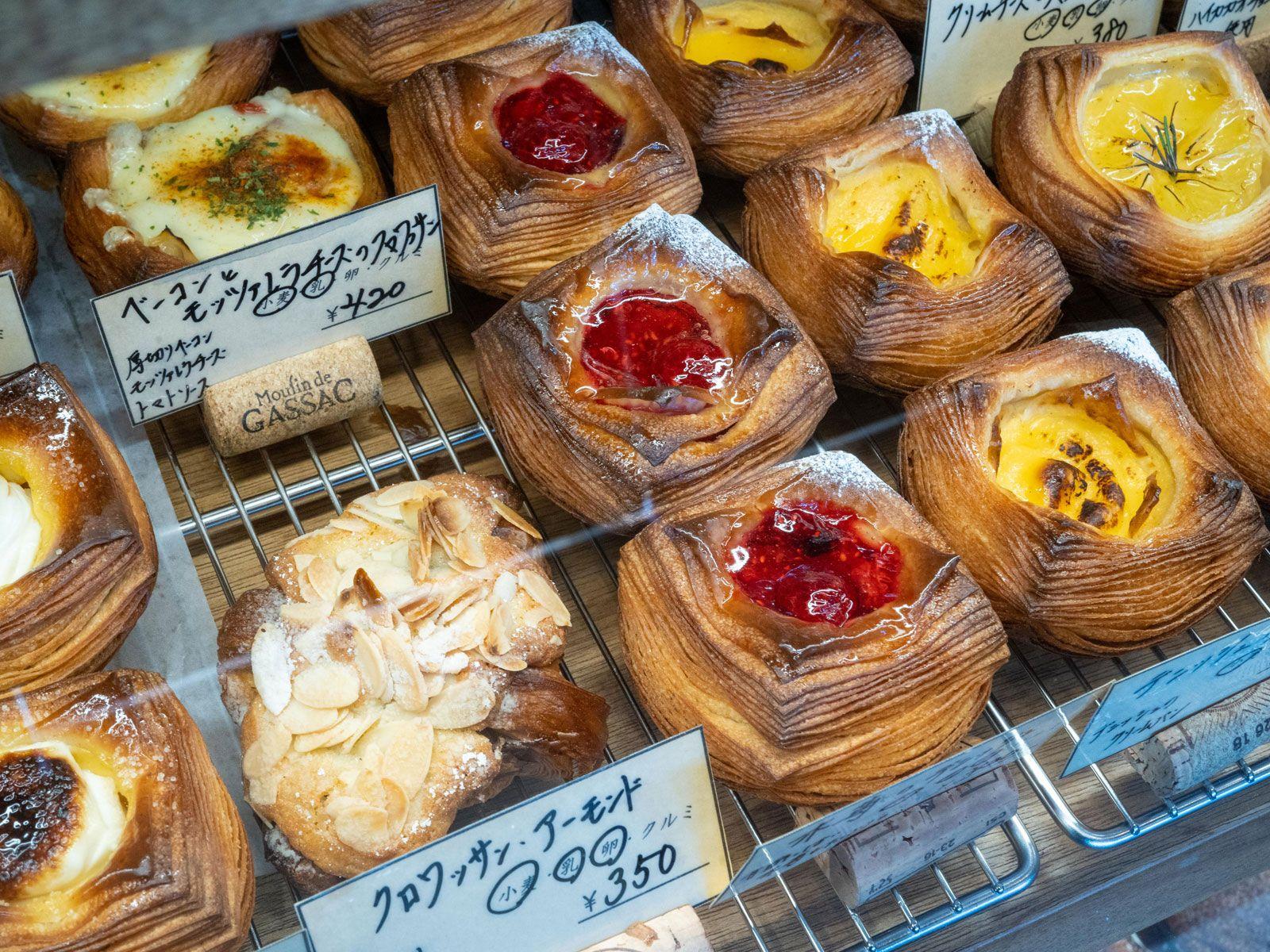
In Nagoya, “Seipan-Ga Miyabi” had been gaining popularity as a shop with delicious Danish. In November last year, it relocated to Yui-ga-hama in Kamakura. Inside a large wooden door that fits naturally into the town of Kamakura, you could find a display of colorful Danish arranged just like in Nagoya. The way the layers fold over each other in a step-like manner is summed up in nothing but “beautiful.”

Discuss this article ↗

2025 / 03

A “grown-up” bread shop in Kobe—continuing the good traditions of craftsmen / Pan Calite

In Kobe, his hometown where he was born and raised, chef Masahiko Yoneyama of the Osaka bakery chain “Panduce,” famous for bread made with vegetables, opened a shop. The location is Rokko, near his home. It opened in December last year and has lines every day. On the display shelves are only 20 to 30 types—the amount that can be baked by just one person. The original inventive breads from the Panduce era have been sealed away, and instead there are very ordinary, tasteful breads with a refined look—“grown-up bread.”

Discuss this article ↗

2025 / 02

2025 / 01

Serial feature on bread people Vol.4 “Katané Bakery” Chef Daisuke Katane

A serial feature where we carefully listen to a “game changer” that had a major influence on the evolution of Japanese bread. This time, the bread made by this bread person looks, at first glance, like nothing special. Where, then, is the evolution hidden in this bread? Looking back at past serial features on bread people: From a punk guitarist to a bread craftsman—an omnipresent business model: a family-run bakery operated by a couple. It was that model that was established and became a leading example—“Katané Bakery” in Yoyogi-Uehara, Tokyo

Discuss this article ↗

Innovative bread that brings the taste of wheat—custom milling in his hometown, Yokohama / Pan and Sweets Iroli

Sapporo’s representative pastry chef Masaya Takasaki of “Boulangerie Coronne” went independent and opened “Pan and Sweets Iroli.” Where do you start a shop with your ideal? I searched all over Japan and found the place in my hometown: Tsuzuki Ward, Yokohama City. In a simple beige-toned space with wooden tables, there are hard-type breads such as baguettes and campagne, displayed with a completion level so impressive it’s hard to look away.

Discuss this article ↗

2024 / 11

Serial feature on bread people Vol.3 “Amamudakotan” “I’m Donuts?” “Dakō” Chef Ryōta Hirako

Before and after “Amamudakotan,” the scene was rewritten. Bread piled high with everything—dishes, sweets, all sorts of extravagant things. The shop is like a medieval castle, like Hayao Miyazaki. Sharing those appetizing sights on SNS made the era’s favored one, Chef Ryōta Hirako, who captured society’s hovering desires—“I want to go there, I want to eat that”—and made them real. Let’s unravel the evolving Hirako world through an interview.

Discuss this article ↗

Bake sourdough in a wood-fired oven—breads born from careful everyday life / Neibo

The person I think is one of Japan’s representative sourdough makers is Hayato Tabita of “Baking Garage Harimaya.” He relocated and opened a bread shop with a wood-fired oven called “Neibo (Nei-bo).” For Tabita, wanting to bake sourdough in a wood-fired oven was a long-held wish. What changed in Tabita’s sourdough after he achieved it?

Discuss this article ↗

2024 / 10

2024 / 07

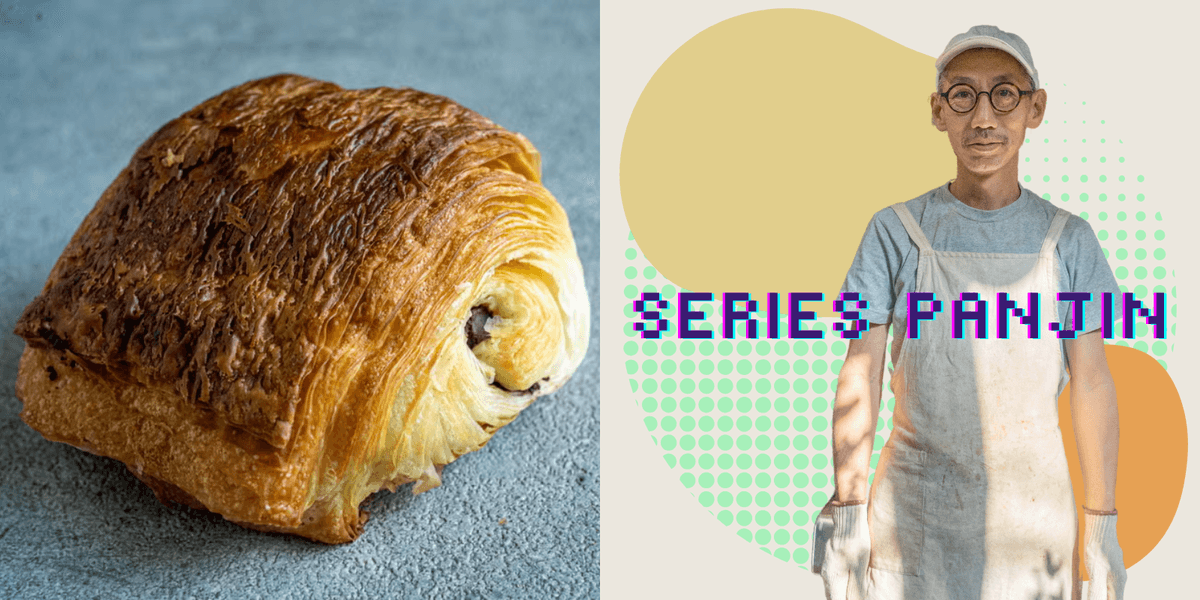
Serial Pan People Vol. 1 Chef Katsuei Shiga “Sinifian Sinifie”

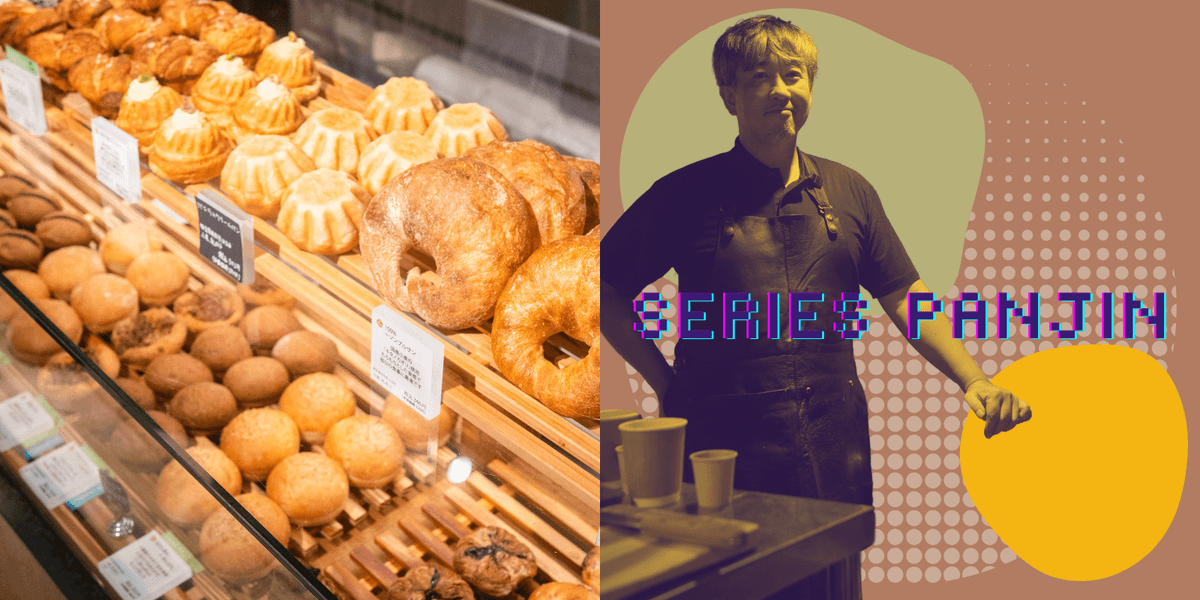
For the past several years, Japan has been in an unprecedented bread boom. Lines form every day in front of popular shops, and more and more devoted bread lovers have appeared, the kind who would go anywhere for delicious bread. In this series, we focus on Ikeda Hiroaki, who runs the Bread Laboratory, the bread research institute, and is a rising bread craftsman known as Bread People (panjin) (a name given by Ikeda). He brings the bread industry’s leading figures and new movements into focus. A momentous first person

Discuss this article ↗

Serial Bread People Vol.1 “Signifiant Signifie” Katsuei Shiga, Chef

For the past few years, Japan has been in an unprecedented bread boom. Popular shops have queues every day in front of them, and more and more enthusiastic bread nerds have been showing up, saying they’ll go anywhere for good bread. In this serialized feature, we focus on Ikeda Hiroaki, who runs “Bread Lab” (the Bread Research Institute), and is focusing on the latest generation of bakers who are creating major figures in Japan’s bread industry as well as new movements—Bread People (panjin) (a name given by Ikeda). The first of its kind

Discuss this article ↗

A revolutionary melt-in-your-mouth texture! A new shop where “the master of yudane” wins with the dough / Douist

The chef known as “the master of yudane” has opened a new shop in Sasazuka, Tokyo. The shop name is Douist—dough specialists. Amid the popularity of breads that let the ingredients shine, they boldly declare, like a bread craftsman, that they will take on the challenge by betting on the deliciousness of the bread dough itself.

Discuss this article ↗

2024 / 04

“Strange” bread that will blow your mind in the City of Mori! / Akutsu-sanchi

They open the shop only once a week, on Saturdays—and here’s why... There’s someone in the City of Mori (Mori no Miyako) who bakes “strange bread” that blows your mind. They open only once a week, on Saturdays. Lots of people wait for that day and line up. Inside a small shop, the couple, Kazuki Akutsu and his wife, tirelessly makes bread and handles customer service. The view inside the shop—when you see it at the storefront you think, “This is… strange”...

Discuss this article ↗

The return of Kitano Kaori ~ Re-sale of Ebetsu Flour Milling “Kitano Kaori 100” ~

“Kitano Kaori,” a great variety that taught us the true deliciousness of domestically produced wheat. On the occasion of the re-sale of Ebetsu Flour Milling “Kitano Kaori 100” after five years, I’d like to talk once again about the bond that Kitano Kaori has tied for us. https://haruyutaka.com/archives/13350 Flour-milling companies’ “Kitano Kaori” sales

Discuss this article ↗

2024 / 03

A scenic bakery café that brings a new breeze to Niigata’s bread scene / COBO BAKERY SHOP

Bold breads born from the basics learned at a former training ground; a new concept. Through the window of the eat-in seats, you see the Sea of Japan—so close you can almost hear the sound of the tides. On November 30 last year, “COBO BAKERY SHOP” opened in Niigata City, bringing a fresh breeze to Niigata’s bread scene with its scenic bakery café. Inside the shop, on tables made of reclaimed timber lit by pendant lights…

Discuss this article ↗

2024 / 02

Fully renovated! A popular shop in Osaka changes its name and starts anew / Tansei

“Bistro-style” breads born from the latest manufacturing methods Every day in Umeda, the center of Osaka, “ROUTE271” was making long lines. Then, it abruptly closed. “When I thought about life and happiness, I realized that this isn’t the style I want,” said Chef Takashi Funai. In May 2023, the shop relocated to Takatsuki, Osaka—the place where it was founded. They gave up on various things. ROUTE…

Discuss this article ↗

2024 / 01

Concept reinvented! Pursuing the deliciousness of the dough itself / Boulangerie Lanis

100% single-wheat—used selectively to match the character of the bread I personally thought cream bread was godlike, but “Lanis” stopped it. Many of its other sweet breads and meal breads were also discontinued. Why would they make such an all-out decision! Lanis has now been renewed with a new concept: letting people savor not the fillings, but the deliciousness of the dough itself. All the breads use 100% single-wheat dough. The…

Discuss this article ↗

パンラボ · 朝日新聞「このパンがすごい!」