Blog

2,490 articles / Newest first

2010 / 10

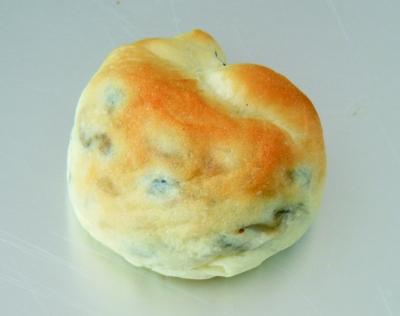
Tamban black bean bread (Local Bread Festival bread No. 6)

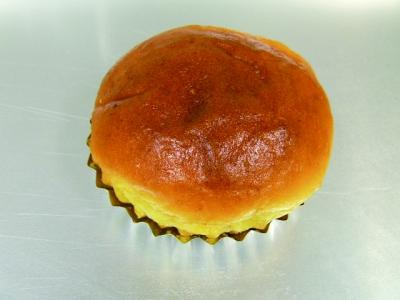
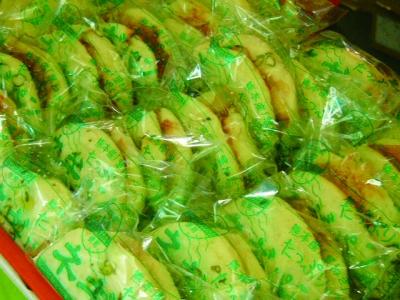
I had been one-sidedly assuming that you can’t expect much from bakeries inside supermarkets, and so on, but in Hyogo Prefecture, in-store bakeries are also at a high level. After I ate Coop Kobe’s Tamban black bean bread, I couldn’t help but think that. The dough is chewy, and like bread flour’s sweetness that’s similar to white bread, it spreads gradually as it melts. There’s no sweetness from sugar. That slight lack—

Discuss this article ↗

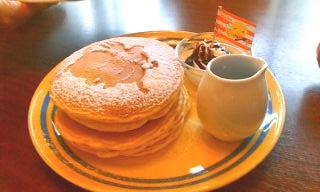
Royal Host’s all-you-can-eat pancakes

If the name “pan” is there, and then you add those four characters—“all you can eat”—no matter what happens, there’s nothing else to do but immediately dive in. It’s the strongest possible situation. In other words, it’s like a Royal Straight Flush—though in this case, you might want to call it a Royal Host Straight Flush. Up until October 29, Royal Host has a promotion called “All-you-can-eat pancakes.”

Discuss this article ↗

Kobe beef curry bread (Local Bread Festival bread No. 5)

Hyogo Prefecture, home to Kobe—said to have the highest consumption of bread in Japan. In the Local Bread Festival as well, it boasted a substantial number of entries, and it was only at the Hyogo Prefecture booth that four companies each brought their local breads and gathered together in a “misery makes strange bedfellows” kind of scene. The Kobe wine bread from Danmarche, whose head office is in Akashi. They say that Akashi also has something called “takopan.” You could almost call it a local-bread city.

Discuss this article ↗

Bread that captivates female high school students in Tokyo

Miso pan. This is a bread from Anjerica in Shimokitazawa. I heard from Mr. Kashiwa that the female high school students who passed in front of the shop were saying things like, “This miso pan is super delicious, ne!!” Just imagining Mr. Kashiwa crouching a little to eavesdrop on it is already funny, but anyway—couldn’t this be the sort of remark you can’t afford to let slip!! This isn’t just something said by ordinary female high school students—

Discuss this article ↗

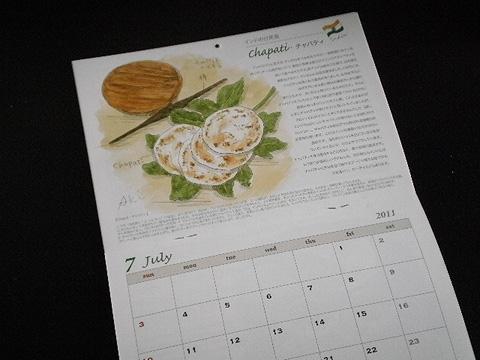
Pan Calendar 2011

After the summer that was too hot and lasted too long ended, at last the season for appetite came. This past summer, I had been taking shelter at the foot of Mt. Yatsugatake in my hometown, but as for the bread, I ate it “properly” every day. Yes, I was eating the coppe bread for school lunch that they bake at my parents’ house—every day… . The freshly baked coppe bread tastes good, but if you have it day after day, and for more than a month, you inevitably get tired of it. Still, at 5 p.m., when the bread factory was finished—

Discuss this article ↗

Kobe beef curry pan (Local Bread Festival bread No. 4)

Isuzu Bakery is apparently a well-known long-established shop in Kobe (and A-chan also commented the other day). Especially, it seems their bread is famous—though I haven’t eaten it myself, I’m sure it’s so good that in Kansai dialect, you’d say it’s “super.” And I think that after I ate some shops’ sandwich breads at the Hyogo Prefecture Lab released this month on the 17th and was absolutely awed by how great it was. Kobe beef curry—

Discuss this article ↗

Miscellaneous things related to Asanoya’s cheese

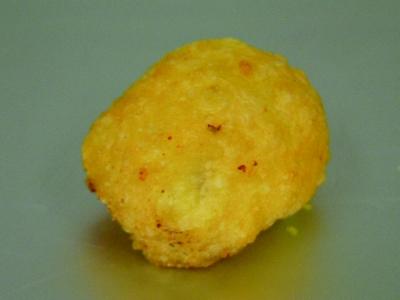
Tomato & mozzarella cheese. A bread where dough wrapped around petit tomatoes and cheese is deep-fried in oil. Mozzarella cheese—relatively familiar to people—has a friendly flavor. Mr. Kashiwa delivered Asanoya’s bread. Even though you might say I’m an editor, I’m not in a position to be able to go flying around outside every day and sample all kinds of breads—my life is such that I can only manage to sneak out briefly between things. So—

Discuss this article ↗

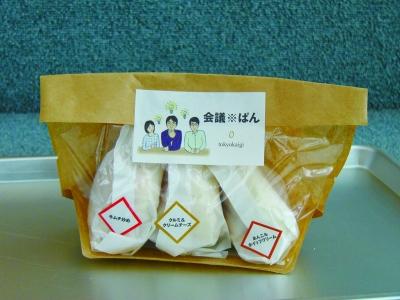
Meeting* bread (Local Bread Festival bread No. 3)

“Kaigi pan” (please see D-sang’s article from the other day for reference) was born from TV program “Tokyo Kaigi” by TV writer Kaodo Koyama (BS Fuji). It’s not a bread made by a bread craftsman; it’s bread made by a planning/design company. Because of that, I thought that rather than the bread itself, it was bread assembled by building it from around the outside—by the time you get to naming it, packaging it, giving it its shape—everything. It’s a size where you can finish eating it in two or three bites. It’s—

Discuss this article ↗

A dango bread out of nowhere (Local Bread Festival bread No. 2)

Continuing from before, it’s a product from Takaoka Seipan in Kumamoto. How many attractive options does Takaoka Seipan really have—Negi pan, milk bread, and then a dango bread out of nowhere! For the local newspaper to report that the Local Bread Festival silver medal went to them, and for the president to comment that “the color would have been better if it were gold,” you can’t help but wonder whether they’ll be sending new breads again next year as well—their future direction is impossible to take your eyes off. Negi pan—

Discuss this article ↗

The 24th Pan Lab—Hyogo Prefecture (Mail-order edition)—On sale today!

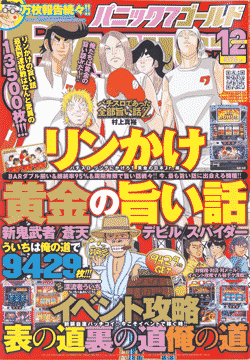
“Panic 7 Gold December issue” is on sale today!! The 24th Pan Lab—Hyogo Prefecture (Mail-order edition)—is featured. Focusing on Hyogo Prefecture, which is also said to have the highest bread consumption rate in Japan, breads have gathered from top stores across the country—the kind of intense battleground where Hyogo is said to be number one. There’s also a local bread corner, so look forward to it. Since it’s the 24th time, it’s been exactly two years since Pan Lab began. In the lab for two years—

Discuss this article ↗

The scenery of the 24th Pan Lab—Hyogo Prefecture (Mail-order edition)—

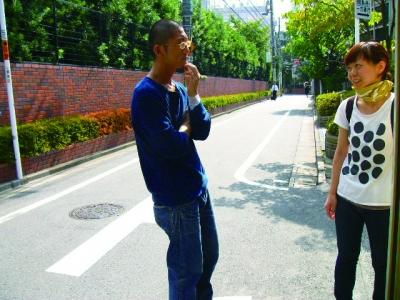
Two people who look like they’re having fun. Even though it was mid-September, it was hot enough that short sleeves were plenty on this day. The 24th Pan Lab—Hyogo Prefecture (Mail-order edition)—was held. The theme was mail-order items from Hyogo Prefecture. It was the first time they segmented by prefecture. People waiting for the breads. After they timed it just right to when the breads arrived, they moved to the home of the Kaijuya people. Last time it was supposed to be special, but with unexpected heat—

Discuss this article ↗

Negi pan (Local Bread Festival bread No. 1)

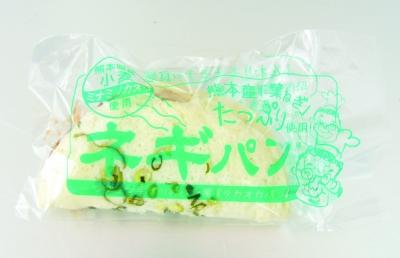
The Negi pan that won 2nd place at the recent Local Bread Festival. The package printed in a single color has the shop owner’s illustrations on it, giving a great sense of warmth and homeliness. I had already started to like it even before I ate it. Finely chopped negi (green onion) is topped all over the surface. A distinctly Japanese indigenous taste—full-on okonomiyaki flavor. Inside, it’s spread with a mixture of bonito flakes, sauce, and mayonnaise, then folded in half. In that shape too, it’s like negi-yaki (green onion pancake) turned into bread—

Discuss this article ↗

Au Bon Coin

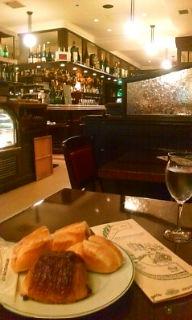
Au Bon Coin seems like a Parisian cafe. More than being similar, it’s hard to tell what’s different. If I had to point out one thing, it’s that Paris cafes are dirtier, and often cigarette butts—one or two at a time—are casually thrown down. The pattern of the tile on the floor, the curves of the corners of the counter that are edged with golden metal and designs, and even the wooden chairs, with frosted glass screens covering the gaps between seats—

Discuss this article ↗

Meatloaf and Bread

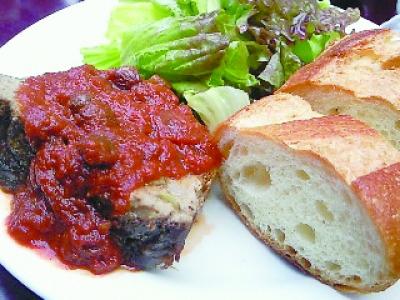
Lately, the times when you don’t feel like eating bread don’t really come around as much anymore. That said, if you don’t eat meat and vegetables in a well-balanced way, I feel like your nutrition becomes skewed. (← in the style of a school lunch newsletter) In that case, the number of shops in Takadanobaba that I can think of is almost zero. And since “myself who hasn’t been eating bread” comes with guilt/a sense of wrongdoing, it would be a shop that also helps make up for that—so it’s nearly zero. B

Discuss this article ↗

Kinokuniya's An Croissant

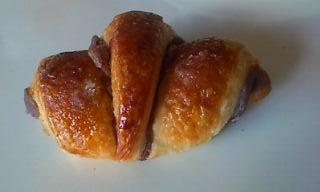
I realize there are a lot of articles about Kinokuniya, but that’s only because every time I go, I come across interesting kinds of bread. It doesn’t feel like they’re churning out gimmicky oddball items one after another. On the contrary—like I wrote before—it's like the MUJI of the bread industry: they offer the orthodox, traditional, and most common-denominator items that exist in everyone’s minds. And that kind of thing

Discuss this article ↗

“Report 4 of the First Nationwide Local Bread Festival in Japan”

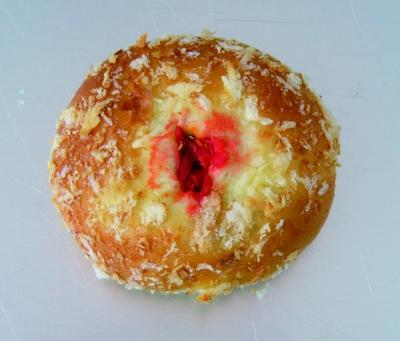
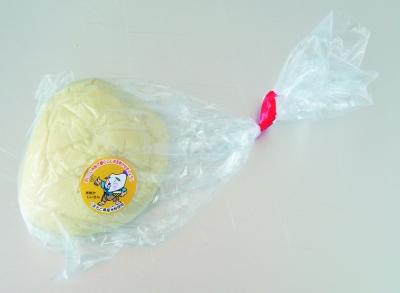
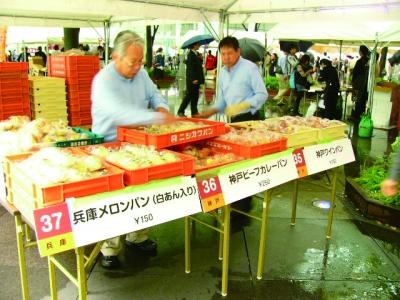
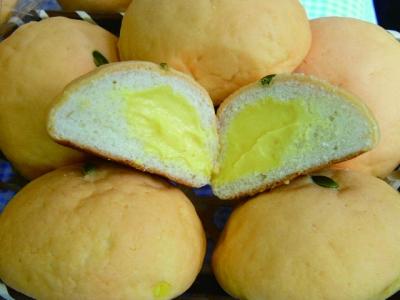
This is the last one. ↓↓ The Hyogo melon pan from Nishikawa Pan in Hyogo Prefecture (with white bean paste). Bread dough shaped like a rugby ball, with white bean paste wrapped inside. Apparently, in Kobe especially within Hyogo Prefecture, it’s called “melon pan.” The Kobe beef curry pan is from the long-established Isuzu Bakery. It was a tent where bread was simply placed out—there wasn’t any elaborate, showy appeal—but people kept stuffing in more and more.

Discuss this article ↗

“Report 3 of the First Nationwide Local Bread Festival in Japan”

It continues! ↓↓↓ Now, in Kanagawa Prefecture, the Odawara mikan pan from Sakaeya Seipan. First of all, what is the definition of “local bread”… ◎ Bread made using locally produced wheat flour ◎ Bread made using local specialty products ◎ Bread that has long been loved in the local area (even if using imported wheat outside the region is okay) Thinking about it while looking at the entries—“bread that fits one of these”—it’s fun all over again. Miso pan from Gunma Prefecture. Sweet and savory.

Discuss this article ↗

“Report 2 of the First Nationwide Local Bread Festival in Japan”

I’m going to continue the report all at once. Yesterday I was excited (the way it quietly wrote “the fastest in Japan,” etc.), so… I’ll calm down a bit. ↓↓↓↓ And now—!! The Negi (scallion) pan, winner of 2nd place in the popular vote—KITA AAAAAAAAAA!! (← UZAAAAAAAAA) The negi pan from Takaoka Seipan in Kumamoto Prefecture. I later find out it’s a popular item that supposedly sells 300 per day in the local area. Takaoka Seipan address

Discuss this article ↗

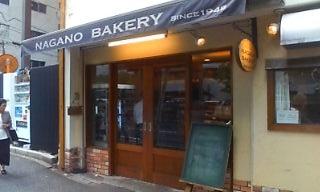
Nagano Bakery

Since I met the Pan Labo episode about the curry pan at Nagano Bakery, I’ve wanted to go there ever since. I can’t resist a nostalgic-style bakery. And it’s right in the middle of a big-city downtown area, like right in front of Ark Hills at Tamazutsumi Pond—so there’s that. “SINCE 1948” is written on both the signboard and the shop’s bags, but when I saw it, I couldn’t help thinking about 1948 at Tamazutsumi Pond.

Discuss this article ↗

Announcement of Results for the First “Nationwide Local Bread Festival in Japan” Vote!

Here’s a速報 of the voting results for the Nationwide Local Bread Festival in Japan held today. 1st place: Yokosuka Navy Curry Pan (Yokosuka) 413 votes 2nd place: Negi Pan (Kumamoto City) 387 votes 3rd place: Yokan Pan (Fuji) 272 votes 1st place is the Navy curry pan. Curry pans were entered from top battle zones like Higashiosaka and Kobe, but maybe because of the name recognition as the birthplace of curry rice, Yokosuka’s…

Discuss this article ↗

First Nationwide Local Bread Festival in Japan—Japan’s Fastest Report 1

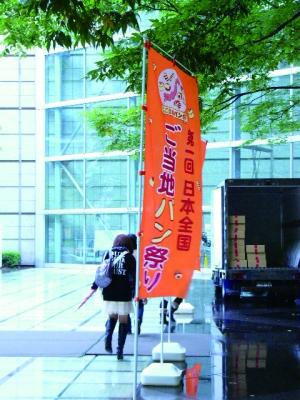
I went to the first Nationwide Local Bread Festival in Japan. The location was the Tokyo International Forum’s outdoor plaza, which was also where last December’s “Strasbourg Marche de Noel 2009” was held. Thirty-nine? No, forty carefully selected bakeries from all over the country gathered, and it became a festival where they competed with the tastes of their proud local breads. If it’s something like that, can’t people involved with Pan Labo not participate? (No, they can’t not participate.)

Discuss this article ↗

パンラボ · 朝日新聞「このパンがすごい!」