Blog

2021 · Wheat & farming · 16 articles / Newest firstClear filters

2021 / 12

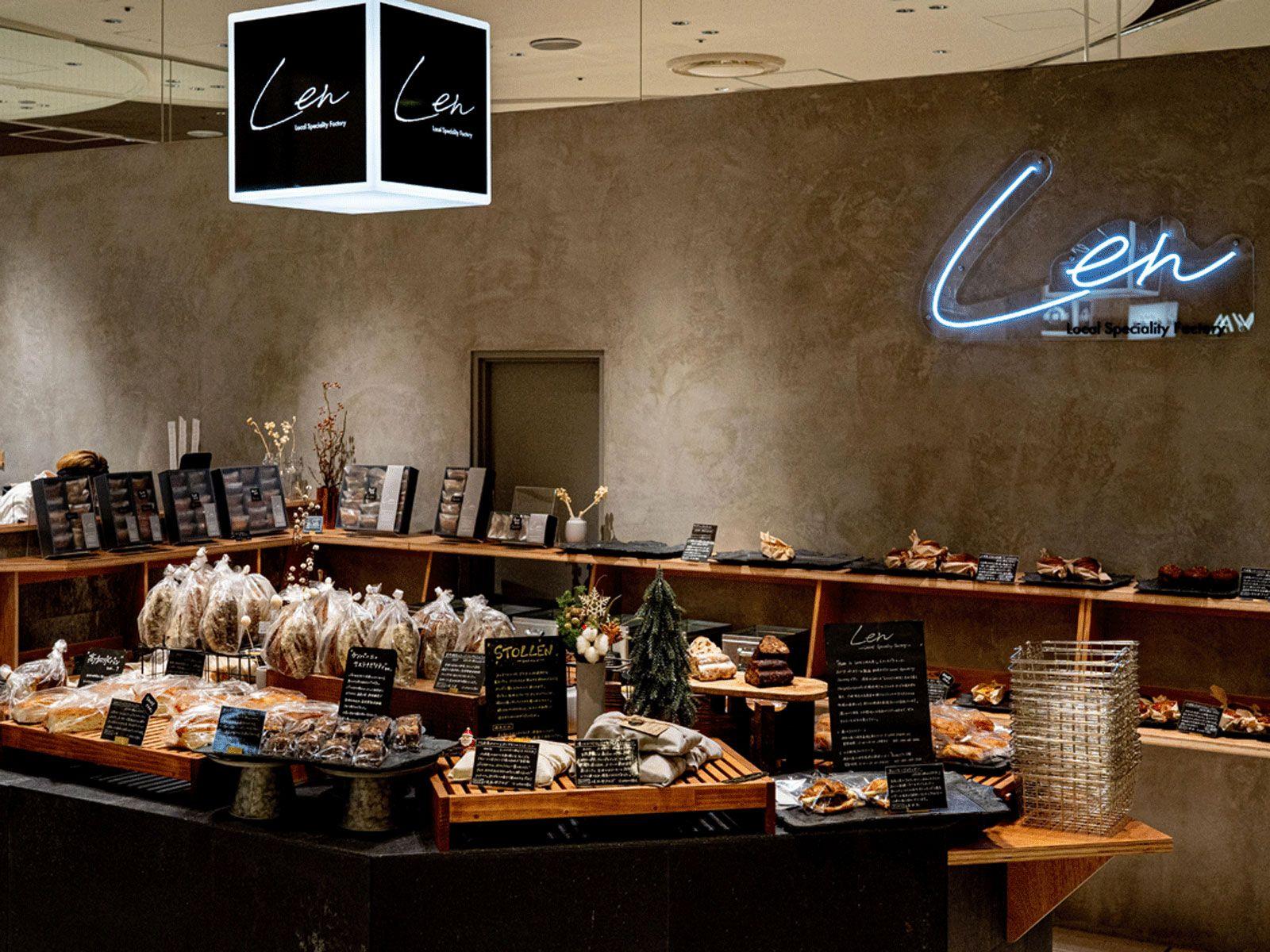
The Identity of the Sweetness in Sandwich Bread Is... Persimmon Starter! Making the Most of Ingredients Made in Kawasaki / Len – Local Speciality Factory –

“Made in Local.” That is the concept that Len sets forth. Bread is made with ingredients produced in Kawasaki as its core. With Len bread, for example, there’s the persimmon of producer Takafumi Shinoda of Kawasaki City (depending on the season, it may be strawberry or mandarin). Not only agricultural products like vegetables, but also Kawasaki ingredients are used—from soy sauce to okara. You can feel the gratitude of how, in the city, a variety of ingredients are created, through bread.

Discuss this article ↗

2021 / 11

Breads “Cultivated” From Local Ingredients to Be Enjoyed in Nature / Sono Tsūmori

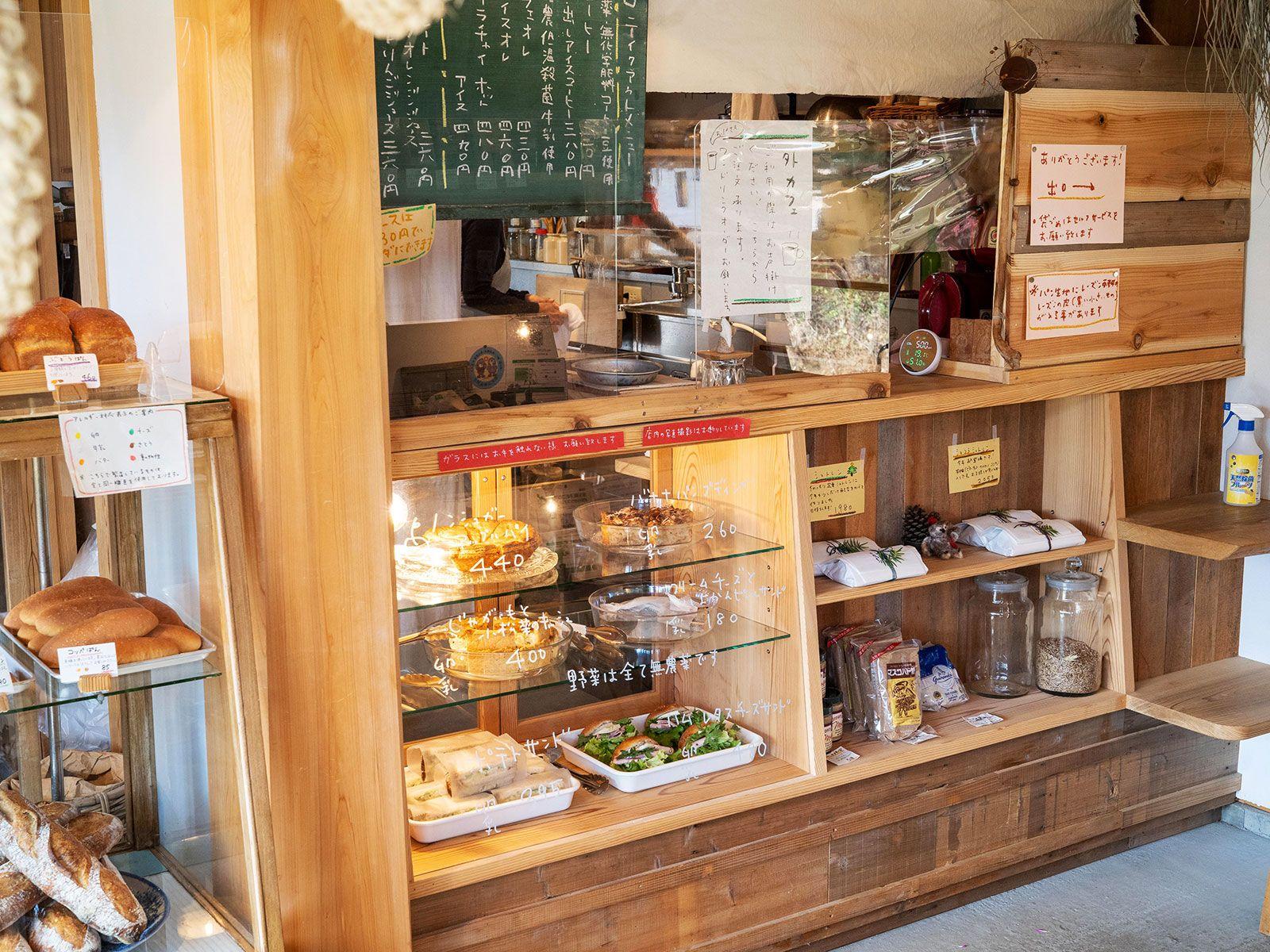
I was feeling uneasy. With every sign of the town, the people, the houses, even the cars running out—there was only a farm and mountains. In a log-cabin-style single-family house, there was an iron signboard that said “Sono tsūmori.” I felt a little relieved, thinking, “So it really was here...,” but I was still nervous as I opened the door. Then when I looked at the bread, I started to feel excited.

Discuss this article ↗

2021 / 10

Seven Transformations for Meals’ Side Dishes and Desserts. A Softness That Melts on Your Tongue / Higu Hibi, Kurashi, Pan

There’s a bakery at the corner by an intersection in Shinkawa, Chūō Ward. At first glance you might not notice. Just a freestanding signboard and a single leaflet—that’s all the clue there is. When you go inside, it’s an Italian restaurant. The lunch comes with excellent bread, and in the evening, it’s popular for “Pan-nomi,” where you can drink beer together with bread. That “Jet Baker” is also running a bakery under the name “Higu Hibi, Kurashi, Pan.”

Discuss this article ↗

2021 / 09

2021 / 08

2021 / 07

Vegetable sweetness that shines. In a town of 5,000 people, a bread shop that goes around “locally produced, locally consumed” / Kamapan & Store

They will circulate the cycle of “locally produced, locally consumed (chisan-chizgu)”—local materials processed locally, eaten by local people. What was chosen as the hub of the circulation was bread. A plan to create a bread shop began in a small town of about 5,000 people where there weren’t even any bread shops.

Discuss this article ↗

2021 / 06

2021 / 05

“For a yet-to-be-seen bakery.” By Hanako1195 [Nagano] A bakery built in a town of 8,000 people: “Mochizuki no Pan to, Pizza Ya the OK bread & pizza.”

The countryside was a treasure trove of people, food, and nature! Shinj... (Okada Shinichi), his wife Miho, and Ichiho-chan. The moment we got out of the car was in the mountains where you’d say, “What is it doing in a place like this?” The shop “the OK bread & pizza” opened about a year and a half ago. The owner, Mr. Okada, was someone who went to Tianjin, China—where he didn’t know right or left—when he was 25, to open a bakery. “Without any real reason, I thought that if I went, something would work out (laughs).” They said it was with all the Chinese staff…

Discuss this article ↗

2021 / 03

Zaku-zaku sounds played by sandwich bread. A wood-fired oven in Tokyo that’s rare—the owner-made / Pan-ya Shiomi

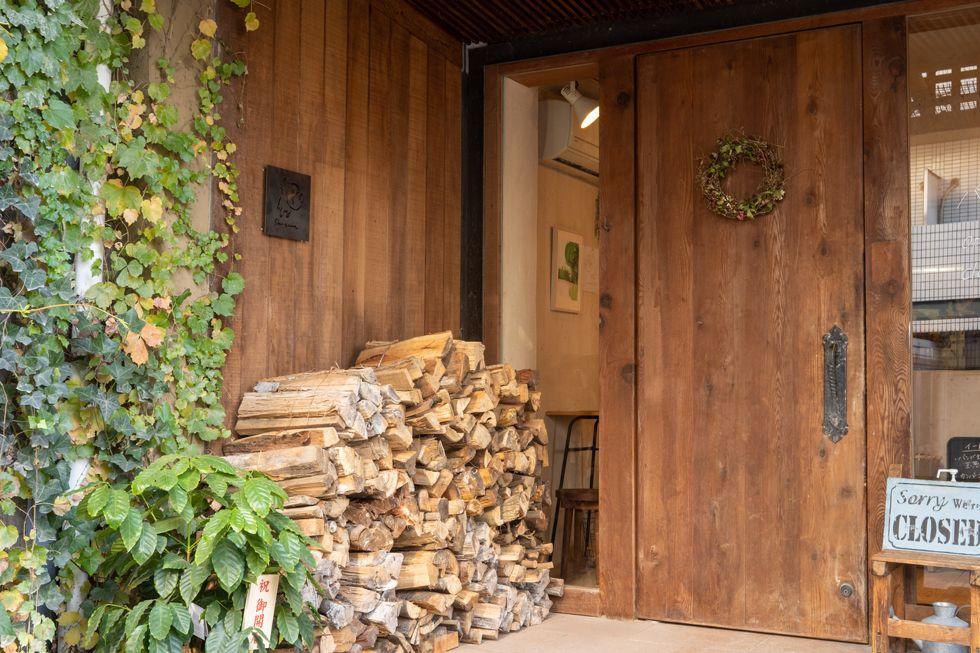
A wood-fired oven bakery, rare in Tokyo, has opened. “Pan-ya Shiomi,” which opened in Yoyogi last November. The location is inside an area that has moved from the high-rise office building district of Nishi-Shinjuku into a residential area. It’s surprising that a wood-fired oven bakery with the image of being in the countryside has appeared right in the middle of Tokyo. First of all, what is a wood-fired oven? You stack bricks into a kiln, burn firewood, and after storing heat in a huge body (kutai), then...

Discuss this article ↗

The completely perfect koppe bun. Chef’s obsessions you shouldn’t know / Minato Machi Bakery

As the name suggests, it’s a bakery near Niigata Port. Even the shop name and the selection of breads feel somehow retro. But in reality, it’s a place that’s quietly ahead of the curve. The signature koppe buns—1 day they line up 4 or 5 types. As the rich browning on top recedes downward, it creates a beautiful gradation. Because it’s so high in quality, I didn’t notice it at all until I asked. And it turns out that they...

Discuss this article ↗

2021 / 02

Moist and soft rye bread. A craftsman’s technique made in Germany that overturns your assumptions / Showmacher

When you eat Showmacher’s “Roggenbrot,” your first words will probably be something like this: “So rye bread can be this moist and this tender!” The crust is thin. The inside is so soft it looks like it could start to flow at any moment. That sticky richness that clings to your teeth, combined with an aroma similar to kinako, brings to mind Abekawa mochi. The loosened rye grains flow like...

Discuss this article ↗

The instant it touches your teeth... a surprising delicacy. State-of-the-art croissants in Shinshu / Bakery Tete

I got off the Shinkansen station and couldn’t help taking a deep breath at how refreshingly clean the air in the highlands was. Saku, Shinshu, lies 180 kilometers northwest of Tokyo. But I didn’t come to eat rustic campagne. On the contrary. This town has croissants at the very cutting edge of Japan. Bakery Tete’s “Stone-ground wheat croissant” (Ishiusu-biki komugi no kuroissant). With a crust so delicate it...

Discuss this article ↗

2021 / 01

Mejiro’s real Italy. A bun? A zabuton cushion? An astonishing “mystery bread” / Tjerelleria Gatari

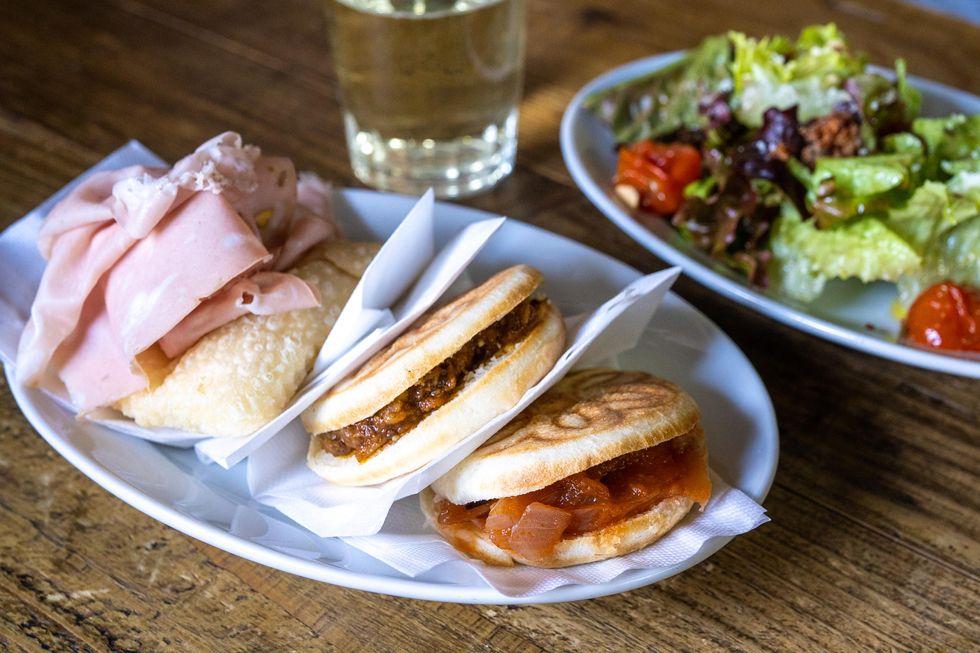
It takes only tens of seconds to reach that Italy from the Mejiro Station ticket gate. On the stairs that go down from the station forecourt into the valley, “Tjerelleria Gatari” is in an extremely narrow space of just 8 tsubo. “Tijere(r)eria” refers to a shop specializing in “tijela” (tijelleria) found uniquely in northern Italy’s Emilia-Romagna region. So what is a “tijela”? It’s round, somewhat flat, and stamped with a mysterious burn mark like a pattern...

Discuss this article ↗

Robust and strong anpan. “Mun-no Sumika,” standing in a castle town in Shinshu / Levain Shinshu Ueda Store

In Ueda, where mountains of Shinshu are in view, the Chikuma River flows, and old buildings remain here and there—when you’re in town, you always feel as if you’re being held by nature. It’s a sensation you can never experience in Tokyo. Ueda is the castle town where Sengoku-period warlords like Sanada Yukimura and Sanada Masayuki wove their stories. But it had been said that, aside from Ueda Castle, there wasn’t much to see in the urban areas. So, more than 100 years after...

Discuss this article ↗

パンラボ · 朝日新聞「このパンがすごい!」