Blog

2009 · Wheat & farming · 12 articles / Newest firstClear filters

2009 / 12

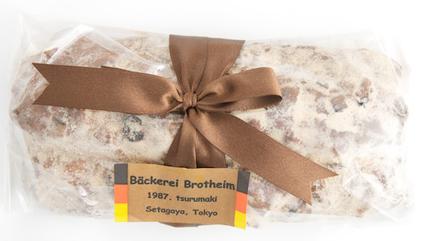
Christmas Stollen, Night Three

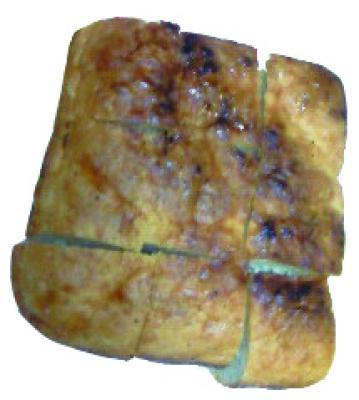
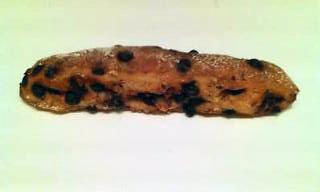
Today, stollen from Tokyo. I think the one from Bäckerei Brotheim is the most true-to-origin stollen of all. It’s a shop that makes both French bread and Japanese-style sweet breads very well, but as you can tell from the shop name, Chef Akashi has deep knowledge of German breads, and has gone to Germany again and again to study, delving into materials and researching the traditional methods for making old-style breads. And of the ones I ate this time,

Discuss this article ↗

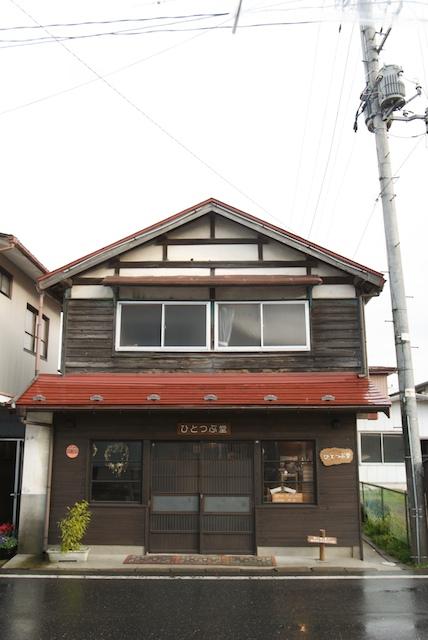
Hitotsubudo

The other day, I revisited the Hitotsubudo located in Iwadeyama, Miyagi Prefecture, which I had also introduced on this blog beforehand, to take photos. When I went around just before 2 o’clock, all the bread had already completely disappeared. Of course I was disappointed, but I was also happy to learn that this bakery—making bread with homemade natural yeast plus domestically produced wheat—has taken root in the local area. The still-young female shop owner bakes the bread alone and sells it alone.

Discuss this article ↗

2009 / 11

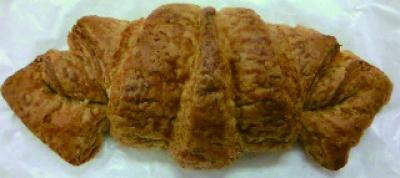
Asanoya’s whole wheat croissant

Asanoya’s whole wheat croissant. It’s not crunchy so much as… kind of dry and chewy (sugusagu), yet it has a savory taste like cheese—those were the impressions. It’s long, but not very tall, so I was worried: “If it turns out to be delicious, what if I end up not having enough…?” But because I chew well with each bite, even when I had only eaten half, it was still a pastry with a high level of satisfaction. As for “whole wheat,” it’s probably “good for your body,” at least that’s how it feels…

Discuss this article ↗

Homemade bread from Restaurant Pigeon. (This is the limit of what my phone camera can do—sorry…) At Takadanobaba, there’s a full-fledged French restaurant called Restaurant Pigeon that’s rare. Regarding the food, it’s the kind of thing where “you’ll understand once you eat it!”, so I’ll skip that part, but the breads that come out are also delicious!! I couldn’t stop myself from wanting to know what kind of breads they are, so I asked—and it uses whole wheat flour…

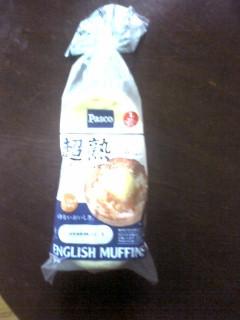
Mugi no Megumi English Muffin (麦のめぐみイングリッシュマフィン)

Discuss this article ↗

This is Carne from Shizuya, a Kyoto bakery, by Kashiwade. It’s a round bread with dough that feels like baguette dough, spread with butter—thin ham and thinly sliced onions. That’s all. It’s absolutely not entertaining. But I’ve loved this bread for a long time, and when I go to Kyoto, I always buy it and head to my hotel. And on the way back, too—I always buy it and get on the Shinkansen. Look. Not at all…

Pounduce (パンデュース)

Discuss this article ↗

2009 / 10

Pannier

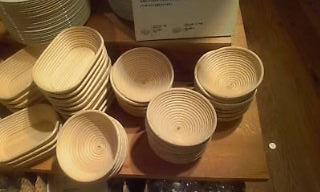
At the renovated Muji in Ikebukuro, I found a pannier. A pannier is a basket used when fermenting camembert? (No—campari? actually) cam pan-? It’s the basket used to ferment “campagne” (rustic country bread). Dust flour is sprinkled in this, the dough is put inside, and it’s left to rest. That’s why the distinctive shape of that cam pagnu?—and the surface with faint stripes—are the shape of the pannier. When you go to Kaiju-ya, you can see lots of panniers piled up, covered in flour. It really looks like a craftsman’s workplace…

Discuss this article ↗

2009 / 09

Pan au Fruit (Pan・オ・フリュイ) existed even before bread was born

Once upon a time, humans were like monkeys. More than that, they had only evolved a little from monkeys, so they were still very monkey-like. Humans lived in the treetops in the tropical forests. There were no natural enemies at all. When they got hungry, they would pick and eat peaches or other nuts from trees (but if you eat only that kind of thing, nutrition gets imbalanced, so sometimes they ate insects too). Life in the treetops was like heaven. Then, the climate…

Discuss this article ↗

パンラボ · 朝日新聞「このパンがすごい!」