Blog

2025 · Everyday bread · 10 articles / Newest firstClear filters

2025 / 11

“Bread Drinking” Is Gradually Catching On: A Common Point Seen from the Success of Bakery Cafés

With a style where you enjoy coffee and other drinks with bread becoming everyday life, “bakery cafés,” where you can enjoy bread and cafés together, are gaining popularity. Why have bakery cafés permeated society so much? Mizho Hiyori, who has been taking bread classes for more than 10 years and is still deeply involved with bread, says that successful shops have “a certain common point.” *This article is from ‘Pan Business’ by Ikeda Hiroaki and Mizho Hiyori…

Discuss this article ↗

2025 / 10

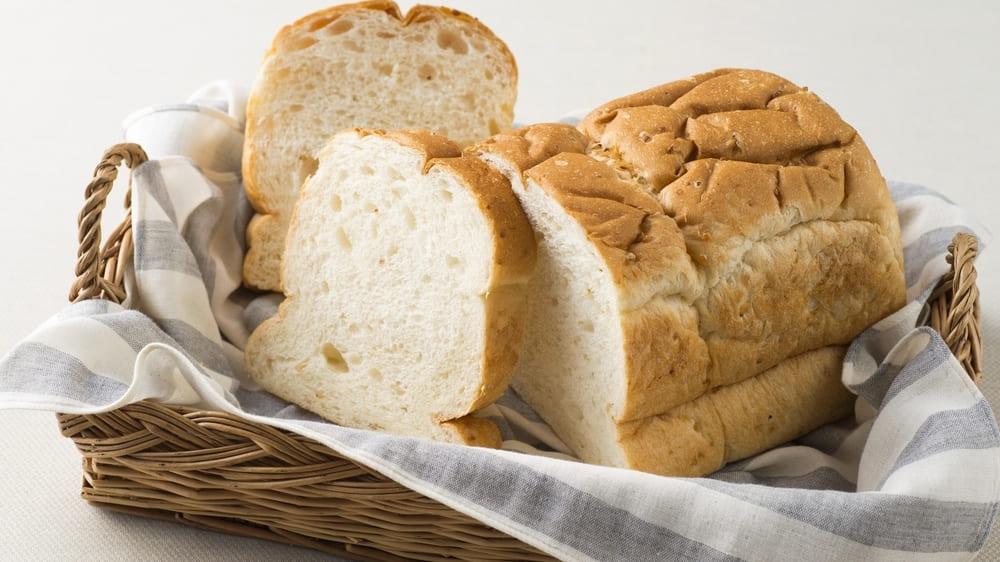
The depth of flavor in bread is comparable to wine and coffee. Look, touch, smell… Here’s an introduction to a “tasting method” for savoring bread slowly and truly feeling it.

(Photo provided by: Photo AC) Bread—from breakfast loaves to the painstaking specialty breads of upscale bakeries—is indispensable to our everyday lives. But if we dig deeper into that world, we may discover even more appeal. This time, we excerpt and re-edit selected parts from the book *Panbizinesu (パンビジネス)* by Hiroaki Ikeda, head of the NPO法人 New Wheat Collection and a huge bread lover, and editor Hiyori Mizuo, whom we bring you as they share their knowledge and perspectives.

Discuss this article ↗

2025 / 09

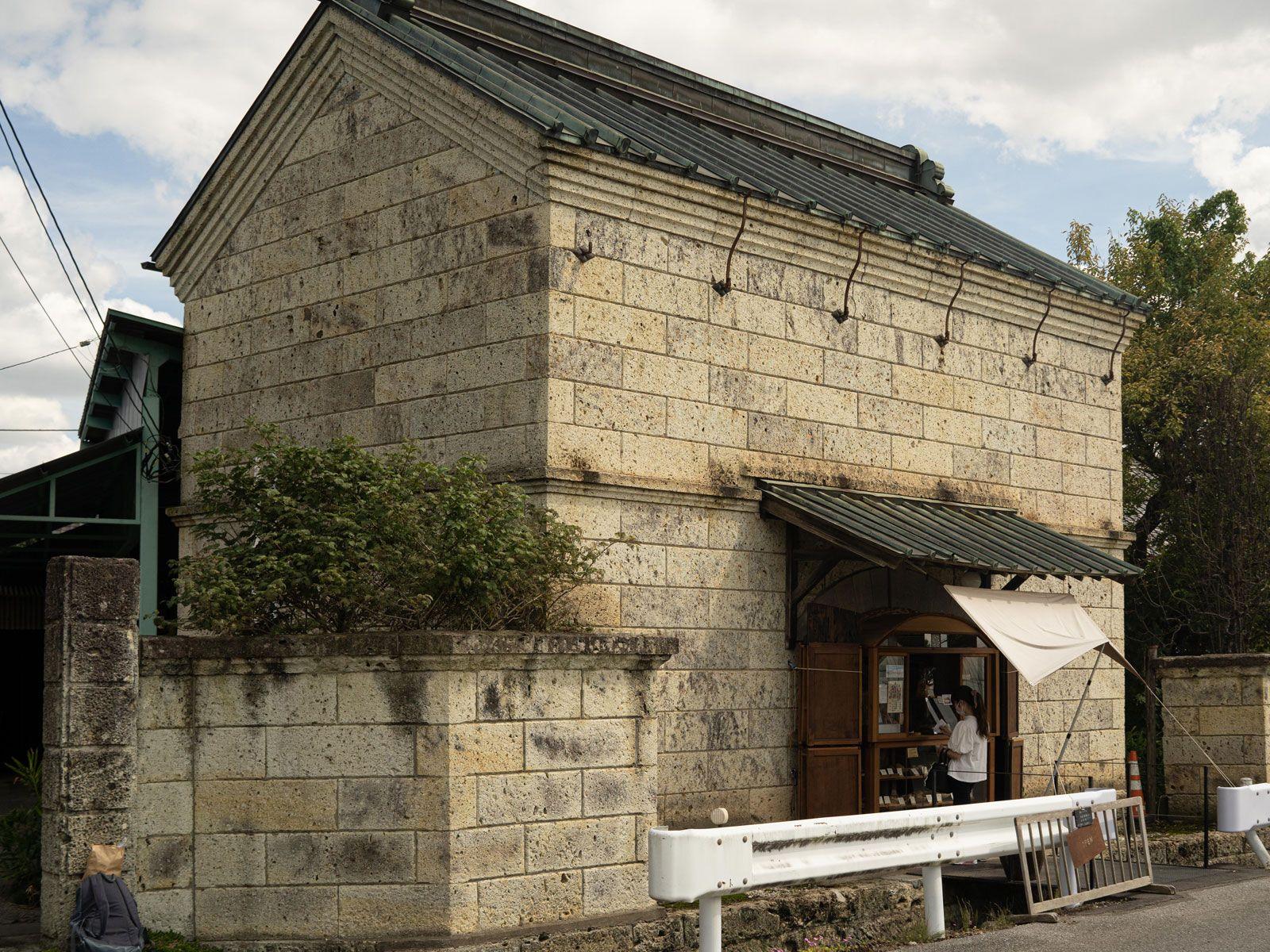
A Stone Warehouse Opens Twice a Week in the Outskirts of Utsunomiya, Loaded With Homemade Fillings / Yamame Pan 店

When you go a little outside the city center of Utsunomiya, natural scenery appears. A river not covered in concrete, rice fields where ear of rice ripen, a large open sky—and a stone warehouse. A storefront window board is set up with wood in a corner of the stone wall. And there, everyone happily buys the breads lined up there, chatting with the shop staff.

Discuss this article ↗

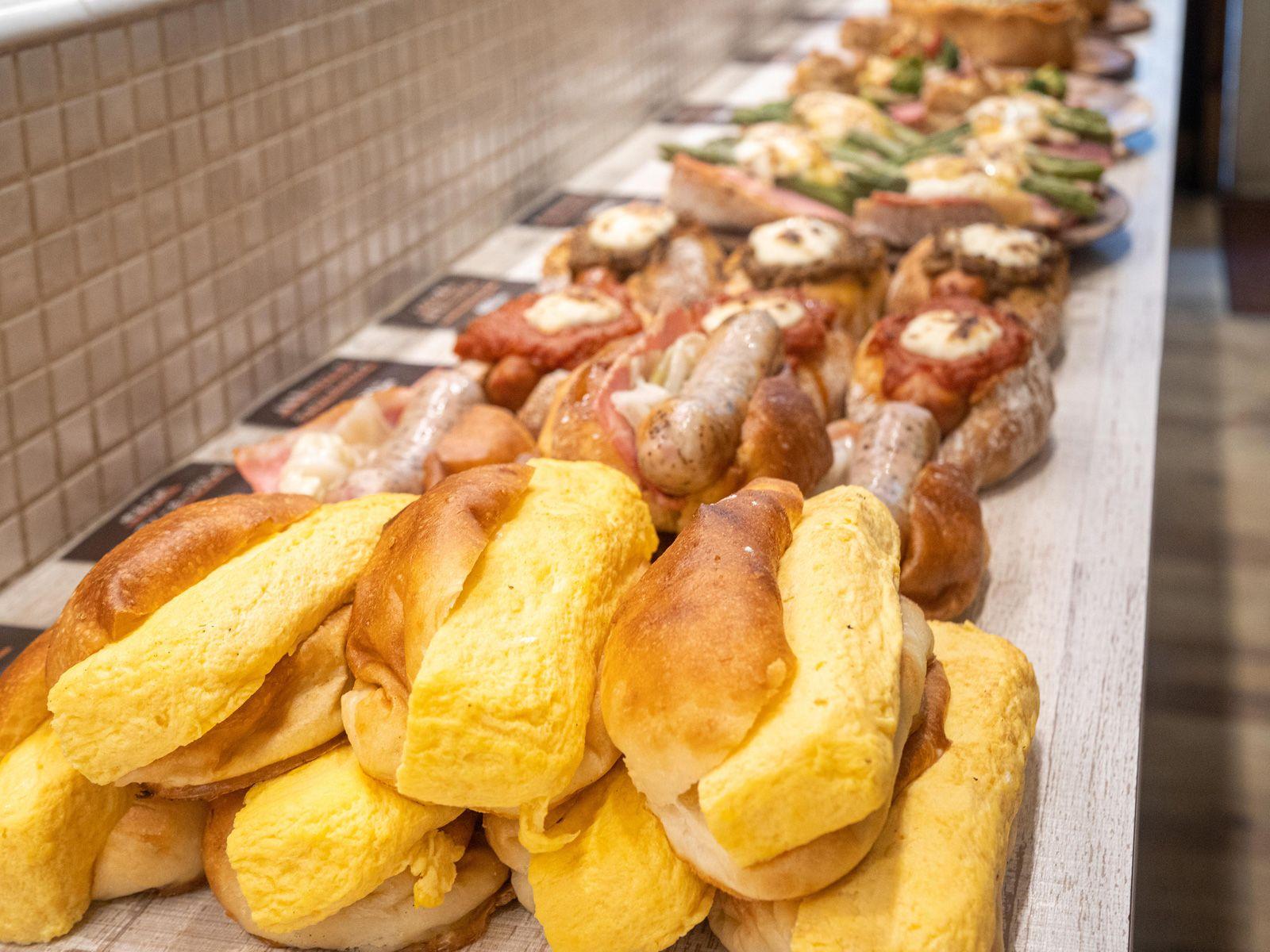
Mentaiko, cream, rolled omelet egg… Great showmanship that energizes Kokura’s shopping arcade! / SHUN PAN LABO

Kokura is a town where the shopping arcade is lively. In Shōwa 26 (1951), Japan’s first arcade street, “Uomachi Gintengai,” was created. About 400 meters from near Kokura Station, local and long-established shops have survived—there are even modern-day bakeries inside. If you open the doors of “SHUN PAN LABO,” you’ll find breads overflowing with “This is something I want to eat!” and “I was looking for something like this!”

Discuss this article ↗

2025 / 07

Surrounded by Sapporo’s forests—the softness of the dough and the way it melts in your mouth / Mori no Pan ~seasonal spot~

While driving along a forest road, we encountered a spot where a stark-white trailer was parked. Inside that long, narrow, small space, it’s a full-fledged bakery. There’s a kitchen, an oven, and a sales area. And what’s lined up there are breads made with local ingredients—something that makes your heart race with excitement.

Discuss this article ↗

2025 / 06

2025 / 04

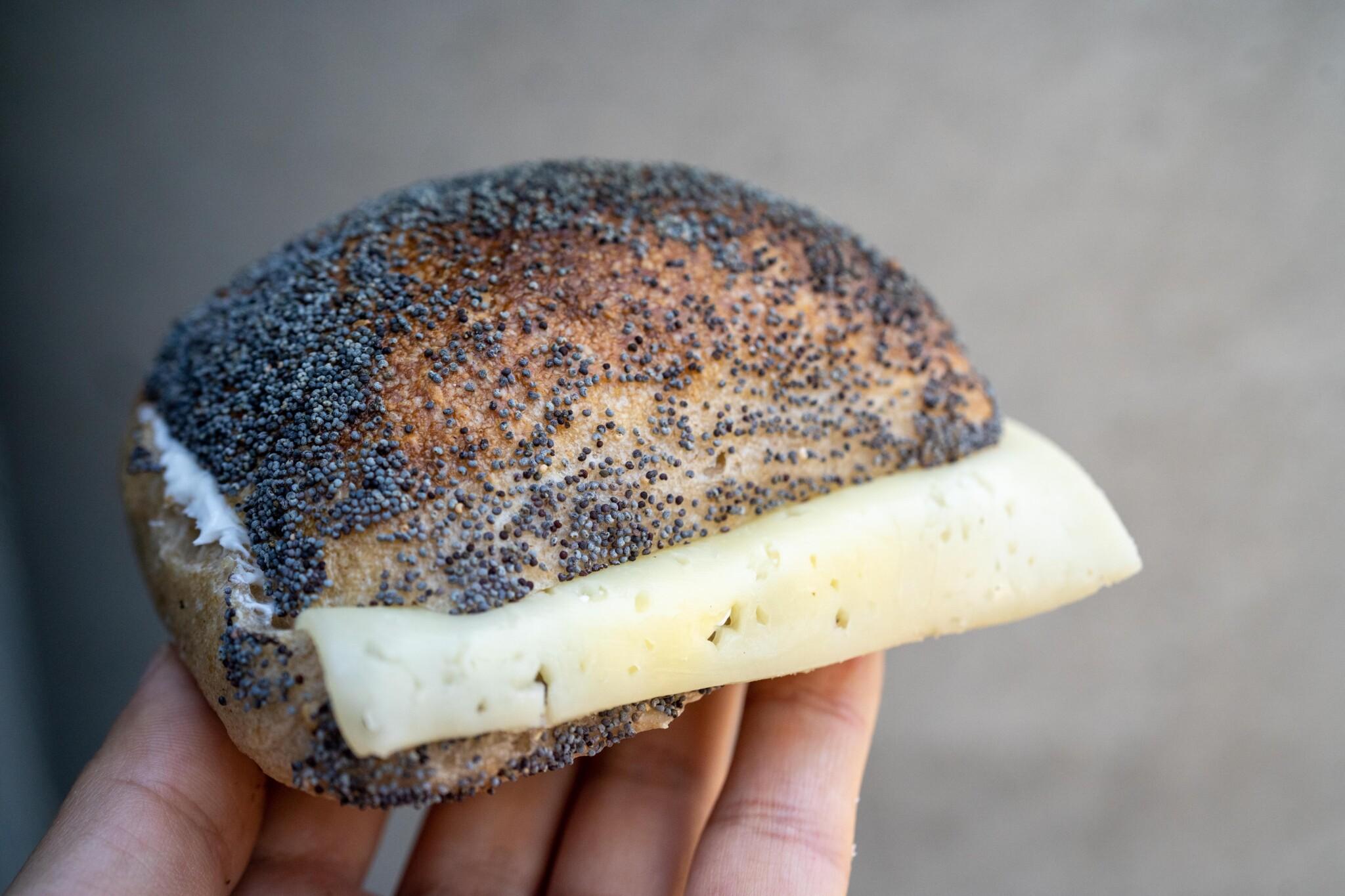
Butter & cheese sandwich from Kamakura’s “pide.” Sourdough Diary vol.2. Photos and text: Hiroaki Ikeda (Editor-in-chief of “Pan Lab”) #2

From Norway—the advanced region for sourdough—where he’s based, female baker Burcu suddenly landed in Japan and started the micro bakery “pide.” The location is Kamakura. It is a building that used to be a police box, situated in a spot you reach by walking straight down the shopping street for a while. If you let your guard down and go slowly, by the time you arrive there’s already a massive line. I felt relieved that people in Kamakura really like sourdough. Inside, as Burcu’s husband talks with a smile saying “Hi!,”

Discuss this article ↗

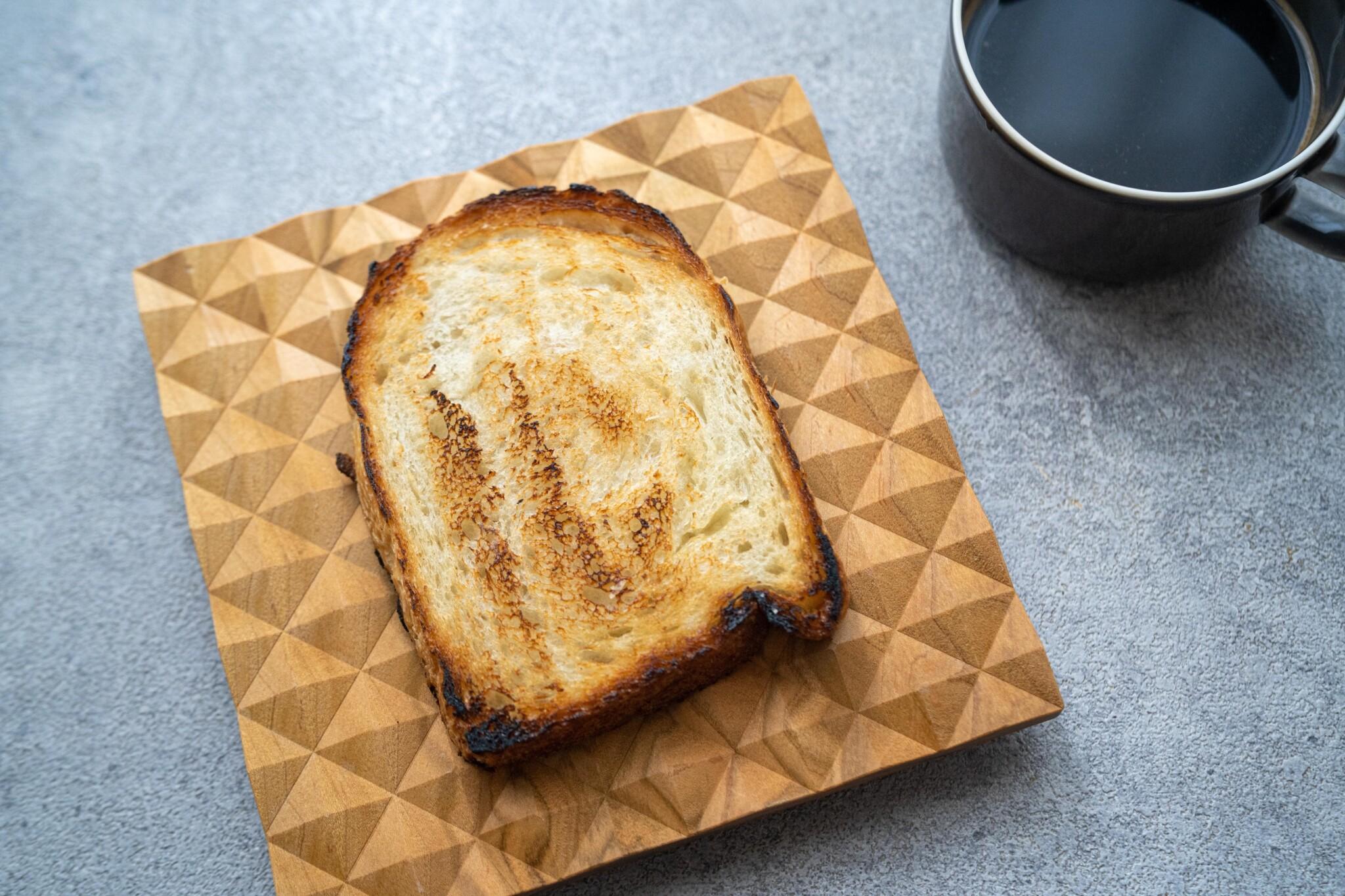
A butter-free sandwich bread (shokupan) from “Pan-ya Shiom i” in Minami-Shinjuku, Tokyo. Sourdough Diary vol.1. Photos and text: Hiroaki Ikeda (Editor-in-chief of “Pan Lab”) #1

Recently, I’ve been curious about “sourdough.” Sourdough is a type of bread that, not long ago, would have been called naturally fermented yeast. Instead of using yeast (commercial bread yeast), you create a fermentation starter and then make it by hand from the yeast itself. It caught fire from the West Coast, and while it moved in tandem with the fermentation boom, it became a worldwide movement. Since everything is craft, not only the lives and ways of the makers are reflected in the bread, but also the local climate and culture through the microbes and the wheat.

Discuss this article ↗

An expert in fruit Danish brings “the usual, but of excellent quality,” to Kamakura / Seipaneshi miyabi

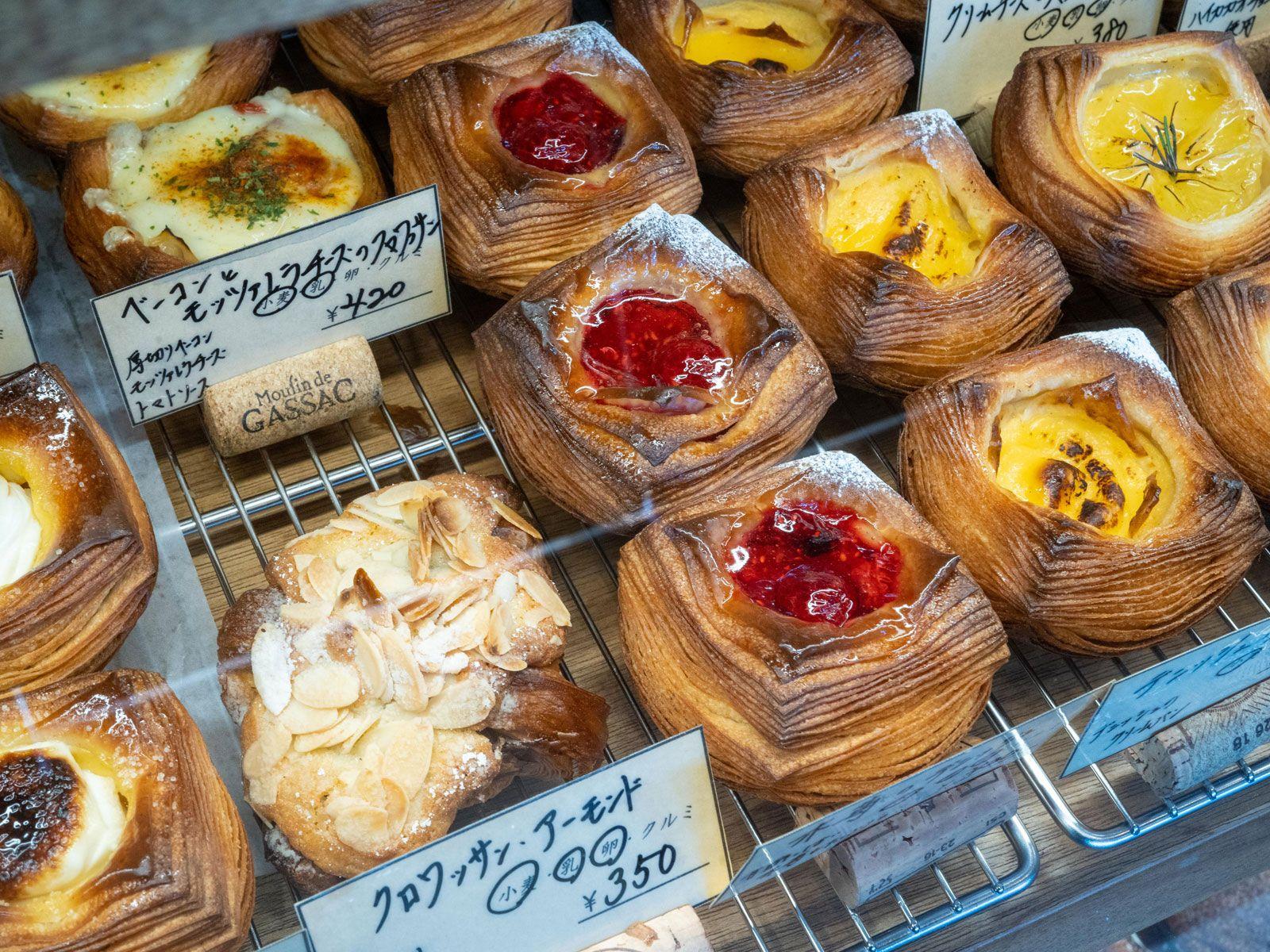
In Nagoya, “Seipan-Ga Miyabi” had been gaining popularity as a shop with delicious Danish. In November last year, it relocated to Yui-ga-hama in Kamakura. Inside a large wooden door that fits naturally into the town of Kamakura, you could find a display of colorful Danish arranged just like in Nagoya. The way the layers fold over each other in a step-like manner is summed up in nothing but “beautiful.”

Discuss this article ↗

2025 / 01

Serial feature on bread people Vol.4 “Katané Bakery” Chef Daisuke Katane

A serial feature where we carefully listen to a “game changer” that had a major influence on the evolution of Japanese bread. This time, the bread made by this bread person looks, at first glance, like nothing special. Where, then, is the evolution hidden in this bread? Looking back at past serial features on bread people: From a punk guitarist to a bread craftsman—an omnipresent business model: a family-run bakery operated by a couple. It was that model that was established and became a leading example—“Katané Bakery” in Yoyogi-Uehara, Tokyo

Discuss this article ↗

パンラボ · 朝日新聞「このパンがすごい!」