Blog

2011 · Bakers & craft · 146 articles / Newest firstClear filters

2011 / 12

Low/Rowan Montagne (Prince)

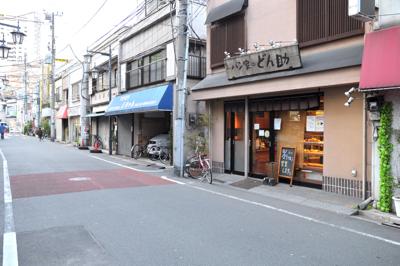
No. 130 (An Adventure Touring 200 Places in Tokyo) This shop is a local bakery that anyone can drop into casually. On the natural yeast, domestic wheat bread shop that people often say is “hard to eat,” customers of a wide range come flocking in—from elderly people to salarymen, to housewives. Hard-type breads, sliced bread, anpan, curry bread, and Danish pastries. All of them are absolutely no inferior to yeast-based breads in the least,

Discuss this article ↗

Powka (このはな) Bread Recipes and Asakusa Stroll

Powka’s bread recipes—... See other reviews » The two people from Powka who bake gentle bread with homemade yeast, sisters Mayumi Fujioka and Megumi—produced a book. With cute photos and design, the recipes are introduced in a way that even first-timers can understand, and it also depicts everyday life lived alongside the life called yeast. At the start of the shop, fermentation didn’t proceed as well as hoped, and the two—

Discuss this article ↗

Saved by its disc shape

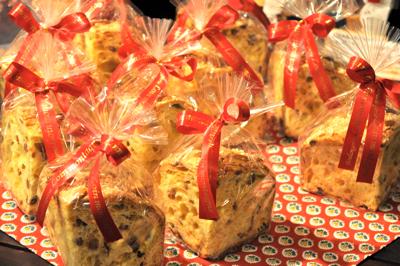
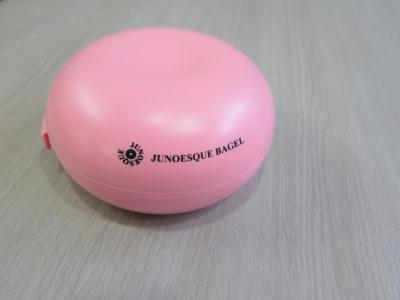
Stollen, Christmas, year-end parties, year-end parties, dates, Christmas Eve, year-end parties, hot springs, gift exchanges… I bet they’re all busy doing lots of fun things!! Damn it!!—and while thinking that, I was working on “Making homemade eraser stamps (extra-large size) and pressing them onto small envelopes,” which had been a topic for the past few days because it showed no sign of ever ending. Then Kashiwa-san appeared out of nowhere, placed a pink object on the desk,

Discuss this article ↗

Two stollens, two bread artisans

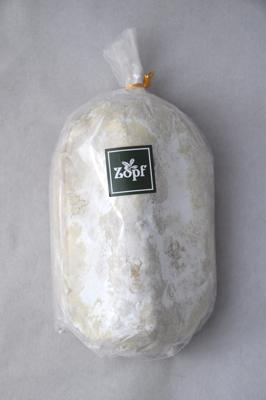
For Christmas, I spend the time with only stollen, without eating cake, and I think to myself, “Yeah, I really am a bread lover.” The stollen from Tzopp. You eat it from the outside inward. The packed filling dissolves with a fizzy “shu-wa” together with the icing. When you bite the dried fruits like raisins and orange peel, the fruit juice bursts out along with the flavors of rum and liqueur that were steeped over six months—

Discuss this article ↗

Don-suke the bread-maker (Higashi-Shinjuku)

No. 129 (An Adventure Touring 200 Places in Tokyo) Shinjuku isn’t flat. There are hills and there are valleys. From Benzaiten on top of a hill, you go down a narrow valley road. Along Kuzoemon-zaka, where shops are scattered sparsely like a shopping district or like an alleyway in a residential area, this shop is there. Somewhere that doesn’t seem like flashy business at all, a place that people from the local area would probably be the only ones who could find—

Discuss this article ↗

Kashi-ta-Quism (塗りたくィズム)

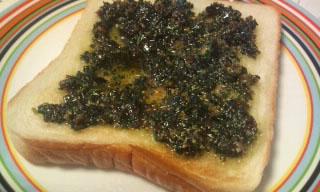
Before I know it, I spread it with something like paste onto toast from Kashiwa. Even when I’m trying to eat with it in another dish, if I eat it together with bread, I almost always start spreading. Especially with freshly baked piping-hot bread, this happens more easily. (Hehe. Just copy-paste—easy.) But sometimes later I realize it’s not something you can just spread however you want. This is what I spread: “Poured-on!” Kinds of side condiments, wasabi with side—seaweed (nori) included—

Discuss this article ↗

Yogurt-ism (ヨーグルティシズム)

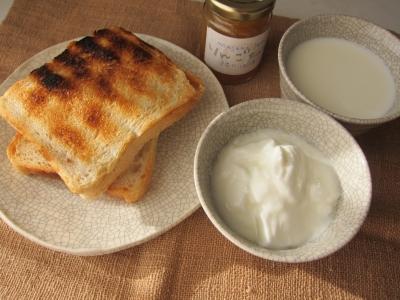
Before I know it, I spread yogurt onto bread. Even when I’m trying to eat it as yogurt in a separate dish, if I’m eating it together with bread, I almost always start spreading. Especially with freshly baked piping-hot bread, this happens more easily. It might feel a bit wasteful to put plain yogurt, chilled at room temperature / straight from the fridge, onto piping-hot bread (←it’s the bread). But it’s addictive. And the butter—

Discuss this article ↗

The Scenery of the 38th Pan Lab ~Brioche~

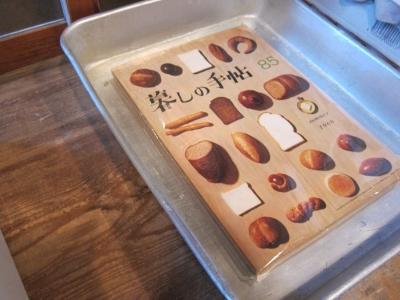
A book from long ago that the monster-shop (kaijūya) said it happened to find. The cover of 『Kurashi no Techō』 is impressive, with bread that looks like an illustration like in a photograph. At the end of November, the 38th Pan Lab took place. The theme was brioche. It’s also mentioned in the latest issue of Pan and Onion, the pam (bread) and tama (onion) that were once interviewed, but Mr. Ikeda seems to really love brioche. In front of the eight collected shops’ brioche, Mr. Hashimoto...

Discuss this article ↗

Yamazaki Pan * Factory Tour

Sometime in November, I went to a factory tour at Yamazaki Seipan. It was because I went to say hello when I first started the Bread Club that I got to know everyone at Yamazaki Seipan well. Maybe it’s only me who thinks we became friendly (lol), but they let me, who didn’t really understand much about bread back then, tour the factory and carefully show how a major bread manufacturer makes bread, and they explained everything patiently and meticulously.

Discuss this article ↗

Pan Dippitch

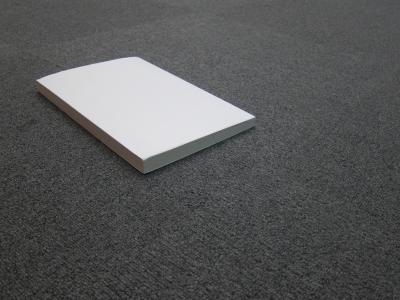
Oops, looks like something book-like is lying around here. I almost stepped on it... (dangerous, dangerous). Oops, casually comparing it with a cigarette pack. Is it something book-like about B5 size, maybe!? Or is it not!? Oops-a-daisy— in a photo full of depth and perspective, it suggests not only the size but even the thickness. Fluffy, and surprisingly thick—huh. Oops-a-doodle—before I knew it, I made a pan dippitch.

Discuss this article ↗

AOSAN Bread Story

The lightness of that strange dough, like it has surpassed the very substance/physical feel of AOSAN bread. The beautiful fragrance of fermentation. The flavor seeps out every time you bite into it. The line of people waiting for the baked loaves of kakushoku continues in front of AOSAN’s shop again today. How was it created? After working at a Western confectionery shop, Mr. Okuda trained at the famous bakery of homemade yeast, “Luvan,” and opened AOSAN. “In the world of bread...

Discuss this article ↗

Terminal’s Croissant Amamnd

The relocated and newly made Boulangerie Tokudarō. They built a wonderful shop that is white, modern, with a high ceiling. Even on weekdays, a line of customers doesn’t stop in front of the register, and the bread tends to disappear quickly—clearly extremely popular. Right nearby, well-known shops with names like P and K are packed in, and a Tama-plaza bread war has broken out. When I asked the people at the shop, they said, “Surprisingly, customers come just as they did before...”

Discuss this article ↗

A Great Cinnamon Tie-Up

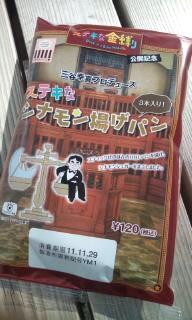
Bought at FamilyMart: a fantastic cinnamon fried bread roll (kashiwade cinnamon-agerupan). I think it’s a topic that really shouldn’t be overlooked. I think that, for sure. A firm, absolute! There’s no need to say the reason—it’s obvious. You’ll understand if you read this blog. Me—I like the works of Yukiyoshi Mitani, and I watch them a lot. Plays too, and movies too. (I like plays. As for movies... Hmm—who knows ← Mr.).

Discuss this article ↗

Interpret it as a “good” e.g., Francois-style Umaibo, and that’s fine

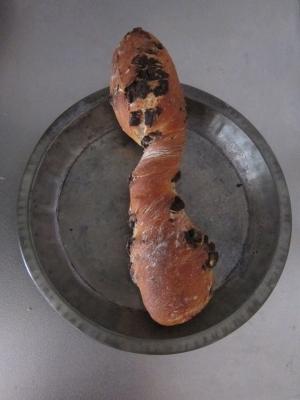
The stick I found at Boulangerie Jean-François. The black part is chocolate. Even if it spills, it’s completely fine—inside, it’s packed with stuff. It’s different from the original that you can eat immediately on the spot, both in firmness and size, but it’s a sweet, delicious stick you can enjoy for a long time after cutting it into 2 cm widths. The new release had incredible presence on the sales floor. [D] (2012/1/25)

Discuss this article ↗

2011 / 11

The 5th Challenge Cup Final Competition Documentary

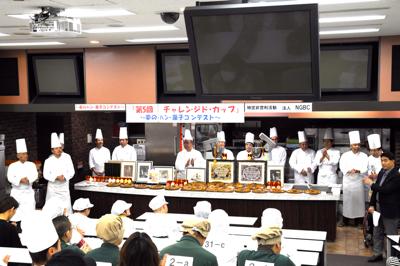
On Saturday, November 26, the 5th Challenge Cup final competition was held. The Challenge Cup is a competition held once every two years in which facilities that work on bread-making and confectionery-making for people with disabilities compete against one another. After a first screening (document screening) and a second screening (selection based on works sent by frozen shipment), from among many applicant teams, 8 teams each advanced to the finals in the bread division and the confectionery division.

Discuss this article ↗

EATALY (Daikanyama)

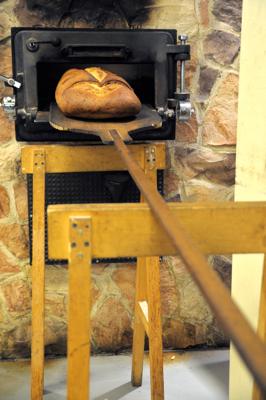
No. 128 (An Adventure to Visit 200 in Tokyo) Eataly, the largest Italian food retailer in Japan. Inside the 23 wards, it’s rare to find a brick bread-baking wood-fired oven in the store. Just like an electric oven, it’s not that the oven’s temperature automatically rises to the preset level just because you press a button. You feed the firewood, keep an eye on the oven constantly, and use your instincts to bring the bread to the desired finish. Chef Takeda says, “The thermometer is—”

Discuss this article ↗

Factory (Ichigaya)

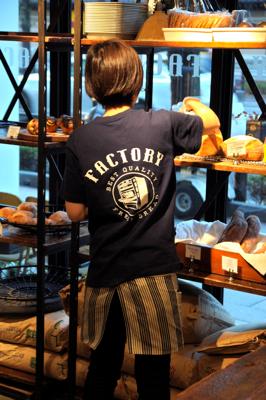
No. 126 (An Adventure to Visit 200 in Tokyo) The Factory is a bread factory. It’s where bread is baked for sale in the shop, for use at the Miuramachi Cafe (the parent café), and for bread supplied to hotels and restaurants. Originally, Chef Takahiro Miura, who baked sandwiches and eating breads served at the Miuramachi Cafe, became independent as the bread division, and opened a separate store called the Factory—this is how it came about. In the café’s kitchen—

Discuss this article ↗

Bread Workshop Kazamidori (Higashiurawa)

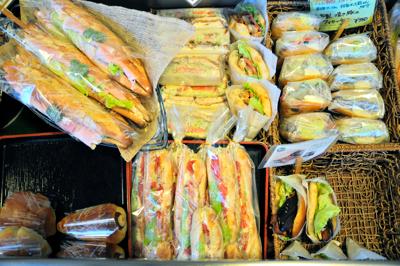
No. 125 (An Adventure to Visit 200 in Tokyo) The first thing you notice when you walk into the shop is this. Light pouring down from a high ceiling illuminates the many sandwiches lined up in the refrigerated display case in a riot of colors. The breads in this shop are giving off light. When you go to Kazamidori, you have to go hungry—or you’ll regret it. There are too many breads I want to buy. Not a single one is ordinary bread—

Discuss this article ↗

Steamed Bread

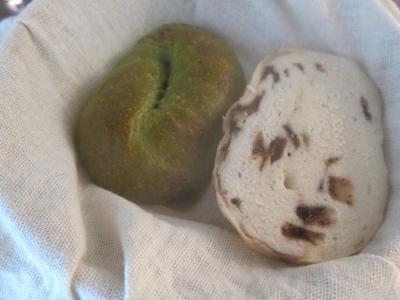
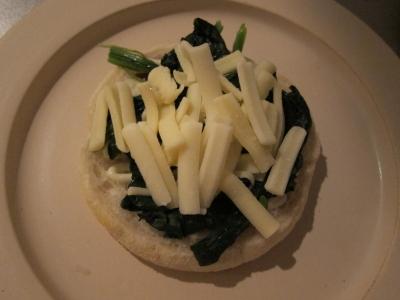
I heard somewhere that when you steam it in a seiro, it comes out fluffy and delicious. There happened to be some bagels in my freezer, so I tried it at last. I’m satisfied just buying them and I don’t use them often, but if I steam the bread a few times a week, it should also be good for the seiro. Chocolate chips and spinach & cheese. Is this what freshly made bagels are like? (I don’t know) That “just born” feeling!!

Discuss this article ↗

Mitsui Seipan Shop (Ochanomizu)

No. 124 (An Adventure to Visit 200 in Tokyo) Just a little down a side street from Akihabara’s electric-town district, there’s a slice of this kind of hometown atmosphere left. Not a business district, not a commercial area, and not a residential neighborhood either. You find private homes, long-established dining places like Japanese tea houses, and craftsmen’s workshops mixed together. It feels like you can sense that all of people’s daily workings—sleeping, eating, working, being glad, and being sad—are quietly carried out in the town’s back area. Right in the—

Discuss this article ↗

Imitating Bread.

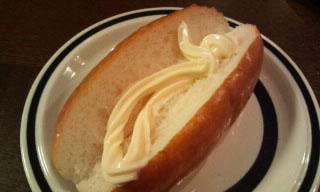
In the thread “Picking Up Bread” that Kashiwade posted yesterday, I immediately tried the hand-rolled bread filled with chirimen jaco, mayonnaise, and shiso that Juichi Itami had eaten. Since I couldn’t get sandwich bread, I spread Ajinomoto mayonnaise on a roll bun made by “Choujin” (Super Soft?). It might be a bit too much, but visually, maybe more is better. Itami Juzo also spread it generously. I put the shiso on top, and—

Discuss this article ↗

La Saison de Pan (Musashi-Kosugi)

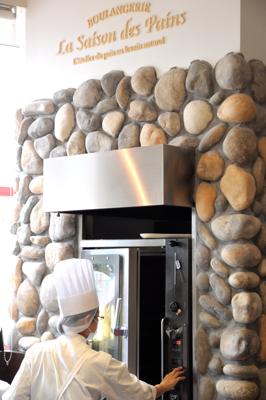
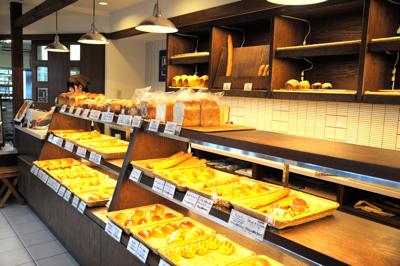
What is the 123rd shop (an adventure巡る 200 shops in Tokyo) about a baguette? All French-bread craftsmen keep pursuing the answer with their own hands and their own tongues. And with the answer they’ve finally found, they bake a baguette that is only theirs. One of the people who managed to lead to the most convincing answer among all those craftsmen is Éric Kayser. His baguette captivates the people of Paris, and in Japan, too…

Discuss this article ↗

2011 / 10

Kunkun-do (Tatesukabe)

Shop number 122 (an adventure巡る 200 shops in Tokyo) The manager is his wife; the chef is her husband. This shop has two centers. Two craftsmen, each doing everything themselves, arrange the breads they made—either each on their own or together—in one shop. 1+1 becomes 2 through the synergy of the two people, then becomes 3, and 4. Since the “taps” for deliciousness aren’t just one, you get dazzled. I eat, and I eat, and I eat…

Discuss this article ↗

パンラボ · 朝日新聞「このパンがすごい!」