Blog

Taste & language · 1,370 articles / Newest firstClear filters

2010 / 10

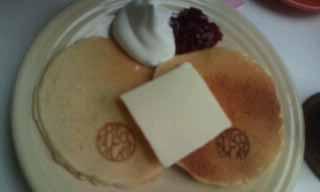
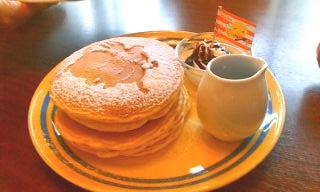
It’s not pancakes that refused to be eaten.

At Kashiwa, maybe a few pancake articles served as a lure, because I too encountered pancakes. But I wasn’t especially targeting them—by coincidence, what was there looked like bread, and only pancakes were there. However, considering the flow of the moment, I thought this was the current bandwagon to get on, and I ordered immediately. a Piece of Cake, which is next to the Taro Okamoto Memorial Museum in Aoyama—

Discuss this article ↗

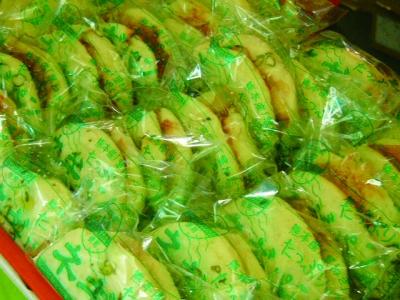
HisuI bread (Bread 9 from the Local Bread Festival)

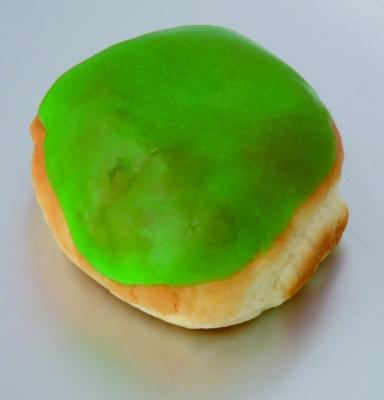
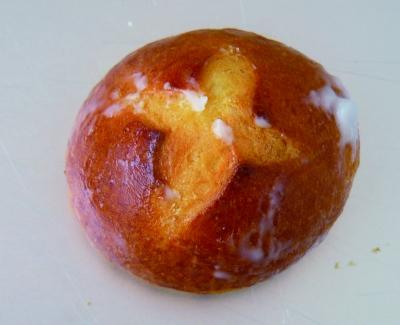
When I learned the results of the Local Bread Festival—first was yōkan-pān and I knew it was third place—and “Hisui bread, what’s going on?” was the first thing I thought. Using the same concept but not red bean paste; it’s yōkan. And apparently, back then, they also called it “yōkan bread.” Even the unusual green color is part of what makes it like a local bread that competes on uniqueness. The butter scent that gets scattered around makes it feel like an old-fashioned, quintessential bag bread, the kind you can practically imagine from long ago—

Discuss this article ↗

Fukushima yume anpan (Local Bread Festival bread No. 8)

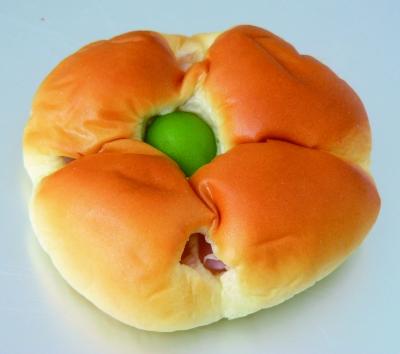
They say that the world of bread has a west-high and east-low pattern. In the Local Bread Festival, while many formidable players were gathered in the western part of Japan, as you went farther east, the number of breads worth seeing steadily decreased. Among them, the one that stood out was Fukushima yume anpan. In voting, it also put up a strong fight, finishing 6th, with only a small gap from 3rd (yokanpan) (though perhaps the votes stopped increasing partway due to it selling out). The peach aroma is so good—

Discuss this article ↗

Harris-san’s milk anpan (Local Bread Festival bread No. 7)

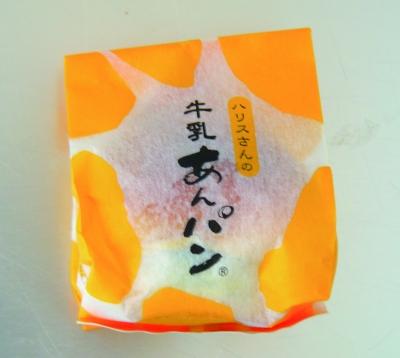
A mushroom-shaped bread that comes out from a bag with orange polka dots. The smooth, even refined texture is truly excellent—classy. The dough is fluffy, and the sweetness of milk and butter seeps through wonderfully. When you eat anpan, a phenomenon happens where—somehow, though you don’t know why—you want to drink milk, and many people complain about that just as you’d expect. So there’s no way the dough mixed with milk and the bean paste wouldn’t match. It melts in your mouth so—

Discuss this article ↗

Tamban black bean bread (Local Bread Festival bread No. 6)

I had been one-sidedly assuming that you can’t expect much from bakeries inside supermarkets, and so on, but in Hyogo Prefecture, in-store bakeries are also at a high level. After I ate Coop Kobe’s Tamban black bean bread, I couldn’t help but think that. The dough is chewy, and like bread flour’s sweetness that’s similar to white bread, it spreads gradually as it melts. There’s no sweetness from sugar. That slight lack—

Discuss this article ↗

Royal Host’s all-you-can-eat pancakes

If the name “pan” is there, and then you add those four characters—“all you can eat”—no matter what happens, there’s nothing else to do but immediately dive in. It’s the strongest possible situation. In other words, it’s like a Royal Straight Flush—though in this case, you might want to call it a Royal Host Straight Flush. Up until October 29, Royal Host has a promotion called “All-you-can-eat pancakes.”

Discuss this article ↗

Kobe beef curry bread (Local Bread Festival bread No. 5)

Hyogo Prefecture, home to Kobe—said to have the highest consumption of bread in Japan. In the Local Bread Festival as well, it boasted a substantial number of entries, and it was only at the Hyogo Prefecture booth that four companies each brought their local breads and gathered together in a “misery makes strange bedfellows” kind of scene. The Kobe wine bread from Danmarche, whose head office is in Akashi. They say that Akashi also has something called “takopan.” You could almost call it a local-bread city.

Discuss this article ↗

Bread that captivates female high school students in Tokyo

Miso pan. This is a bread from Anjerica in Shimokitazawa. I heard from Mr. Kashiwa that the female high school students who passed in front of the shop were saying things like, “This miso pan is super delicious, ne!!” Just imagining Mr. Kashiwa crouching a little to eavesdrop on it is already funny, but anyway—couldn’t this be the sort of remark you can’t afford to let slip!! This isn’t just something said by ordinary female high school students—

Discuss this article ↗

Kobe beef curry pan (Local Bread Festival bread No. 4)

Isuzu Bakery is apparently a well-known long-established shop in Kobe (and A-chan also commented the other day). Especially, it seems their bread is famous—though I haven’t eaten it myself, I’m sure it’s so good that in Kansai dialect, you’d say it’s “super.” And I think that after I ate some shops’ sandwich breads at the Hyogo Prefecture Lab released this month on the 17th and was absolutely awed by how great it was. Kobe beef curry—

Discuss this article ↗

Miscellaneous things related to Asanoya’s cheese

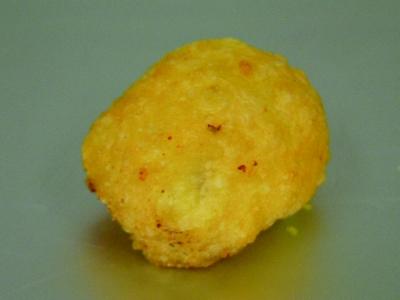
Tomato & mozzarella cheese. A bread where dough wrapped around petit tomatoes and cheese is deep-fried in oil. Mozzarella cheese—relatively familiar to people—has a friendly flavor. Mr. Kashiwa delivered Asanoya’s bread. Even though you might say I’m an editor, I’m not in a position to be able to go flying around outside every day and sample all kinds of breads—my life is such that I can only manage to sneak out briefly between things. So—

Discuss this article ↗

A dango bread out of nowhere (Local Bread Festival bread No. 2)

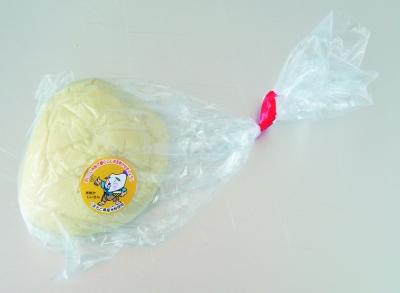
Continuing from before, it’s a product from Takaoka Seipan in Kumamoto. How many attractive options does Takaoka Seipan really have—Negi pan, milk bread, and then a dango bread out of nowhere! For the local newspaper to report that the Local Bread Festival silver medal went to them, and for the president to comment that “the color would have been better if it were gold,” you can’t help but wonder whether they’ll be sending new breads again next year as well—their future direction is impossible to take your eyes off. Negi pan—

Discuss this article ↗

Negi pan (Local Bread Festival bread No. 1)

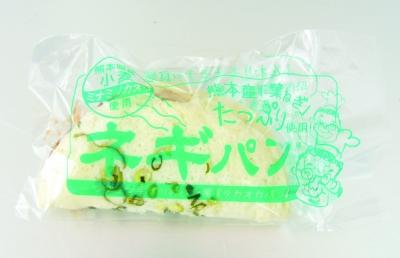
The Negi pan that won 2nd place at the recent Local Bread Festival. The package printed in a single color has the shop owner’s illustrations on it, giving a great sense of warmth and homeliness. I had already started to like it even before I ate it. Finely chopped negi (green onion) is topped all over the surface. A distinctly Japanese indigenous taste—full-on okonomiyaki flavor. Inside, it’s spread with a mixture of bonito flakes, sauce, and mayonnaise, then folded in half. In that shape too, it’s like negi-yaki (green onion pancake) turned into bread—

Discuss this article ↗

Au Bon Coin

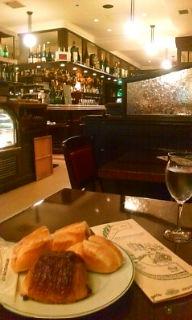
Au Bon Coin seems like a Parisian cafe. More than being similar, it’s hard to tell what’s different. If I had to point out one thing, it’s that Paris cafes are dirtier, and often cigarette butts—one or two at a time—are casually thrown down. The pattern of the tile on the floor, the curves of the corners of the counter that are edged with golden metal and designs, and even the wooden chairs, with frosted glass screens covering the gaps between seats—

Discuss this article ↗

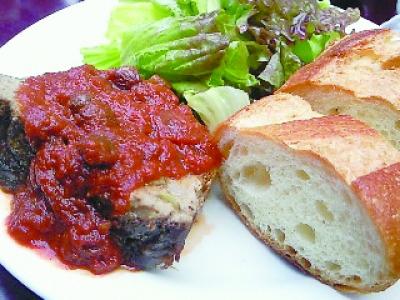
Meatloaf and Bread

Lately, the times when you don’t feel like eating bread don’t really come around as much anymore. That said, if you don’t eat meat and vegetables in a well-balanced way, I feel like your nutrition becomes skewed. (← in the style of a school lunch newsletter) In that case, the number of shops in Takadanobaba that I can think of is almost zero. And since “myself who hasn’t been eating bread” comes with guilt/a sense of wrongdoing, it would be a shop that also helps make up for that—so it’s nearly zero. B

Discuss this article ↗

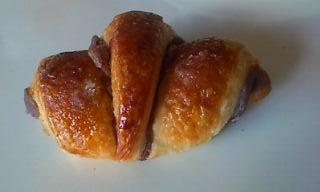
Kinokuniya's An Croissant

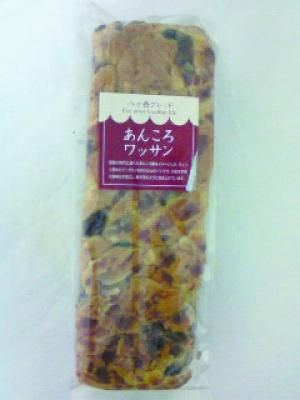
I realize there are a lot of articles about Kinokuniya, but that’s only because every time I go, I come across interesting kinds of bread. It doesn’t feel like they’re churning out gimmicky oddball items one after another. On the contrary—like I wrote before—it's like the MUJI of the bread industry: they offer the orthodox, traditional, and most common-denominator items that exist in everyone’s minds. And that kind of thing

Discuss this article ↗

“Report 2 of the First Nationwide Local Bread Festival in Japan”

I’m going to continue the report all at once. Yesterday I was excited (the way it quietly wrote “the fastest in Japan,” etc.), so… I’ll calm down a bit. ↓↓↓↓ And now—!! The Negi (scallion) pan, winner of 2nd place in the popular vote—KITA AAAAAAAAAA!! (← UZAAAAAAAAA) The negi pan from Takaoka Seipan in Kumamoto Prefecture. I later find out it’s a popular item that supposedly sells 300 per day in the local area. Takaoka Seipan address

Discuss this article ↗

Announcement of Results for the First “Nationwide Local Bread Festival in Japan” Vote!

Here’s a速報 of the voting results for the Nationwide Local Bread Festival in Japan held today. 1st place: Yokosuka Navy Curry Pan (Yokosuka) 413 votes 2nd place: Negi Pan (Kumamoto City) 387 votes 3rd place: Yokan Pan (Fuji) 272 votes 1st place is the Navy curry pan. Curry pans were entered from top battle zones like Higashiosaka and Kobe, but maybe because of the name recognition as the birthplace of curry rice, Yokosuka’s…

Discuss this article ↗

Maple melon pan that’s dripping with syrup

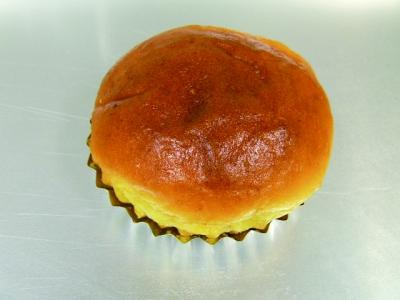
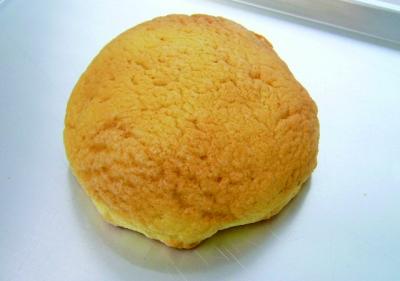
Maple melon pan. For some reason, I got an urge to flip it over and look at the underside, so I took a photo. When you flip a baguette over, sometimes there’s a pattern and sometimes there isn’t. (What are those patterns?) It might be interesting to flip other breads over too. There’s a possibility that some kind of coded message from the bread craftsmen is written there. This maple melon pan has maple syrup kneaded into the dough.

Discuss this article ↗

Boulangerie Bé

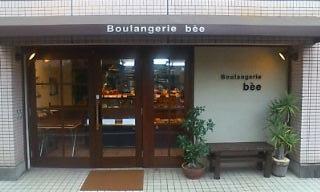
Boulangerie Bé on the Seibu Ikebukuro Line in Oizumi-Gakuen. This is a genuine boulangerie with all sorts of Viennoiseries lined up, including hard-type breads and croissants. On the other hand, the “maiden-like” quality of the egg sandwiches made with brioche dough (roll buns) was excellent, and they also offered suggestions for meals by putting out ham and cheese—maybe because they have a lot of female staff, it has a wholesome, gentle atmosphere.

Discuss this article ↗

パンラボ · 朝日新聞「このパンがすごい!」