Blog

People & place · 944 articles / Newest firstClear filters

2010 / 10

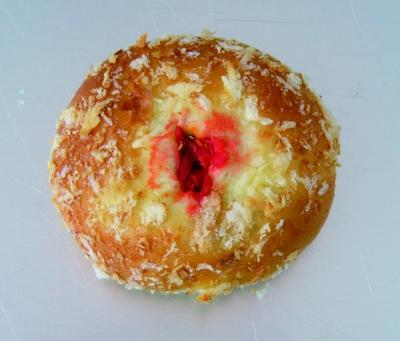
Kobe beef curry pan (Local Bread Festival bread No. 4)

Isuzu Bakery is apparently a well-known long-established shop in Kobe (and A-chan also commented the other day). Especially, it seems their bread is famous—though I haven’t eaten it myself, I’m sure it’s so good that in Kansai dialect, you’d say it’s “super.” And I think that after I ate some shops’ sandwich breads at the Hyogo Prefecture Lab released this month on the 17th and was absolutely awed by how great it was. Kobe beef curry—

Discuss this article ↗

A dango bread out of nowhere (Local Bread Festival bread No. 2)

Continuing from before, it’s a product from Takaoka Seipan in Kumamoto. How many attractive options does Takaoka Seipan really have—Negi pan, milk bread, and then a dango bread out of nowhere! For the local newspaper to report that the Local Bread Festival silver medal went to them, and for the president to comment that “the color would have been better if it were gold,” you can’t help but wonder whether they’ll be sending new breads again next year as well—their future direction is impossible to take your eyes off. Negi pan—

Discuss this article ↗

The 24th Pan Lab—Hyogo Prefecture (Mail-order edition)—On sale today!

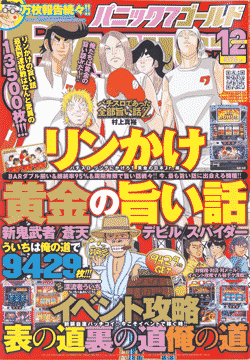
“Panic 7 Gold December issue” is on sale today!! The 24th Pan Lab—Hyogo Prefecture (Mail-order edition)—is featured. Focusing on Hyogo Prefecture, which is also said to have the highest bread consumption rate in Japan, breads have gathered from top stores across the country—the kind of intense battleground where Hyogo is said to be number one. There’s also a local bread corner, so look forward to it. Since it’s the 24th time, it’s been exactly two years since Pan Lab began. In the lab for two years—

Discuss this article ↗

The scenery of the 24th Pan Lab—Hyogo Prefecture (Mail-order edition)—

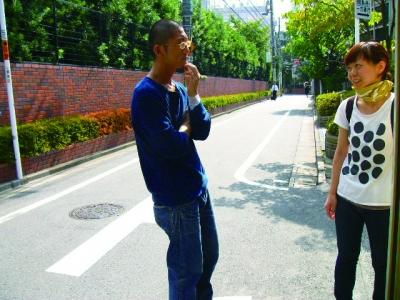
Two people who look like they’re having fun. Even though it was mid-September, it was hot enough that short sleeves were plenty on this day. The 24th Pan Lab—Hyogo Prefecture (Mail-order edition)—was held. The theme was mail-order items from Hyogo Prefecture. It was the first time they segmented by prefecture. People waiting for the breads. After they timed it just right to when the breads arrived, they moved to the home of the Kaijuya people. Last time it was supposed to be special, but with unexpected heat—

Discuss this article ↗

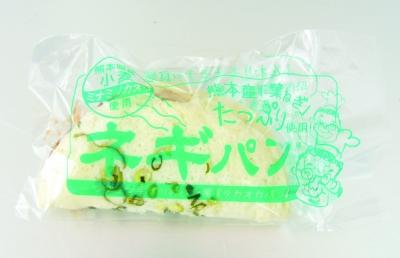
Negi pan (Local Bread Festival bread No. 1)

The Negi pan that won 2nd place at the recent Local Bread Festival. The package printed in a single color has the shop owner’s illustrations on it, giving a great sense of warmth and homeliness. I had already started to like it even before I ate it. Finely chopped negi (green onion) is topped all over the surface. A distinctly Japanese indigenous taste—full-on okonomiyaki flavor. Inside, it’s spread with a mixture of bonito flakes, sauce, and mayonnaise, then folded in half. In that shape too, it’s like negi-yaki (green onion pancake) turned into bread—

Discuss this article ↗

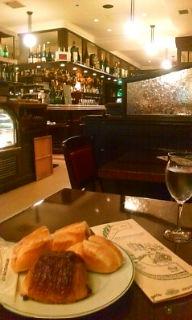
Au Bon Coin

Au Bon Coin seems like a Parisian cafe. More than being similar, it’s hard to tell what’s different. If I had to point out one thing, it’s that Paris cafes are dirtier, and often cigarette butts—one or two at a time—are casually thrown down. The pattern of the tile on the floor, the curves of the corners of the counter that are edged with golden metal and designs, and even the wooden chairs, with frosted glass screens covering the gaps between seats—

Discuss this article ↗

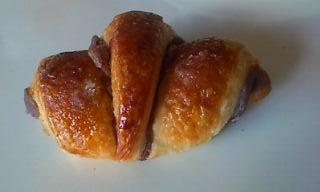
Kinokuniya's An Croissant

I realize there are a lot of articles about Kinokuniya, but that’s only because every time I go, I come across interesting kinds of bread. It doesn’t feel like they’re churning out gimmicky oddball items one after another. On the contrary—like I wrote before—it's like the MUJI of the bread industry: they offer the orthodox, traditional, and most common-denominator items that exist in everyone’s minds. And that kind of thing

Discuss this article ↗

“Report 4 of the First Nationwide Local Bread Festival in Japan”

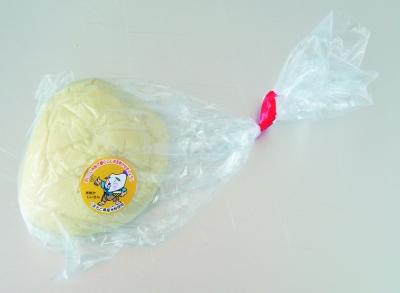
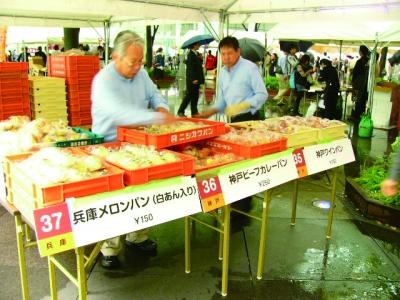
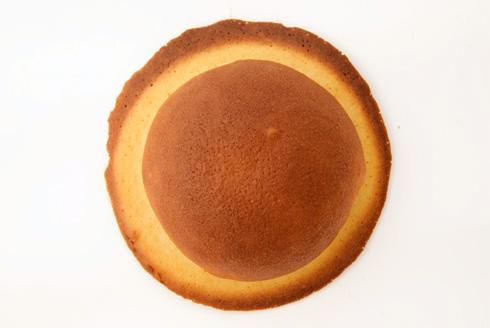
This is the last one. ↓↓ The Hyogo melon pan from Nishikawa Pan in Hyogo Prefecture (with white bean paste). Bread dough shaped like a rugby ball, with white bean paste wrapped inside. Apparently, in Kobe especially within Hyogo Prefecture, it’s called “melon pan.” The Kobe beef curry pan is from the long-established Isuzu Bakery. It was a tent where bread was simply placed out—there wasn’t any elaborate, showy appeal—but people kept stuffing in more and more.

Discuss this article ↗

Nagano Bakery

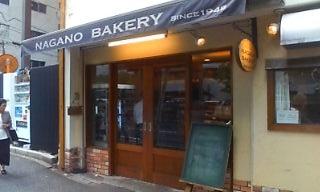
Since I met the Pan Labo episode about the curry pan at Nagano Bakery, I’ve wanted to go there ever since. I can’t resist a nostalgic-style bakery. And it’s right in the middle of a big-city downtown area, like right in front of Ark Hills at Tamazutsumi Pond—so there’s that. “SINCE 1948” is written on both the signboard and the shop’s bags, but when I saw it, I couldn’t help thinking about 1948 at Tamazutsumi Pond.

Discuss this article ↗

First Nationwide Local Bread Festival in Japan—Japan’s Fastest Report 1

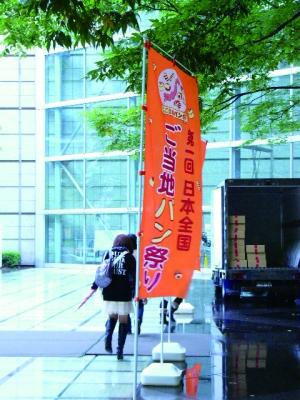
I went to the first Nationwide Local Bread Festival in Japan. The location was the Tokyo International Forum’s outdoor plaza, which was also where last December’s “Strasbourg Marche de Noel 2009” was held. Thirty-nine? No, forty carefully selected bakeries from all over the country gathered, and it became a festival where they competed with the tastes of their proud local breads. If it’s something like that, can’t people involved with Pan Labo not participate? (No, they can’t not participate.)

Discuss this article ↗

Just opened!! La Blanche in Takadanobaba

A bakery opened in Takadanobaba! The shop name is “Pan no Mise La Blanche (パンの店 ラ・ブランシェ) Yama moto Yum ie (山本ゆみえ).” When I heard that, Mr. Kashiwa (かしわで) brought fresh-baked boulle and double chocolate. The bread uses yeast, but they said that in the future it might also be possible to use natural yeast. Lately, “natural yeast” isn’t even something that can’t be used as a selling point—breads made with natural yeast have become the norm. So this…

Discuss this article ↗

1st Nationwide Local Bread Festival in Japan

The 1st Nationwide Local Bread Festival in Japan will be held at International Forum in Yurakucho from 10:00 a.m. to 3:00 p.m. on October 9 (that is, next Saturday). It’s apparently an event where you can eat all sorts of rare breads that can only be obtained in local areas across Japan, taking advantage of the recent local gourmet boom; 40 shops will participate. The one I’m especially paying attention to is “Negi-pa” from Kumamoto…

Discuss this article ↗

Boulangerie Bé

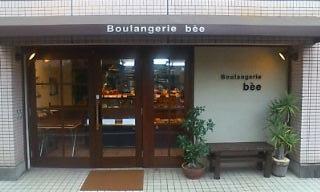
Boulangerie Bé on the Seibu Ikebukuro Line in Oizumi-Gakuen. This is a genuine boulangerie with all sorts of Viennoiseries lined up, including hard-type breads and croissants. On the other hand, the “maiden-like” quality of the egg sandwiches made with brioche dough (roll buns) was excellent, and they also offered suggestions for meals by putting out ham and cheese—maybe because they have a lot of female staff, it has a wholesome, gentle atmosphere.

Discuss this article ↗

Fullm of wobble

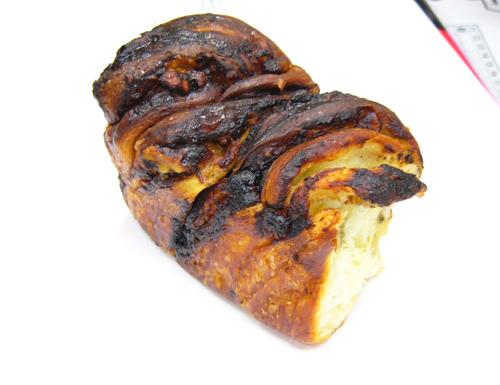
Fullm from Le Petit Mec Tokyo. In the “Panic 7 Gold” December issue—while the editors are busily submitting/working on the manuscript, somehow! A little spicy mood of the editorial office… Mr. Kashiwa brought a treat…! (Thank you) It’s a Danish with Fullm Danbert (blue-mold cheese), walnuts, and raisins. When I ate it, I ended up wobbling to the point where I couldn’t help it. Olive oil, white wine, garlic, fresh cream, and honey are kneaded into it.

Discuss this article ↗

NEWDAYS' Sayama tea steamed cake

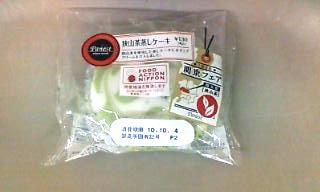
NEWDAYS, a convenience store inside JR stations. When you look closely, you can also find PANEST, a bread PB (private brand) here as well. It looks like it’s manufactured by PASCO, etc. Among them, the one that caught my attention the most was “Kantō Fair.” With the same thing as the other day’s Daikanyama curry pan & anpan, for some reason, when a place name is included in the bread name, you just feel compelled to eat it.

Discuss this article ↗

Going to see the three major bakeries along the Keio Line

In front. A little time has passed since my diary the other day. One of the three major bakeries on the Keio Line (apparently also said to be so) is AOSAN. When I looked into it to find out where the other two are, one promising theory is Breadal one, which is close to Chitose-Karasuyama Station (Breadal one). Another is Pain Tres Cher (パン トレシェル), located a short walk from Kokuryō Station. As for the truth,

Discuss this article ↗

AOSAN

Sen-gawa on the Keio Line. A shop that sells the legendary kaku-shoku bread that sells out in no time right after opening. There’s often a line in front of the shop. I had given up on kaku-shoku, but the other day I went in the evening and found yama-shoku. The aroma is wonderful—the scent of the baked crust that isn’t too strong and a pleasant fermentation aroma that isn’t sharp blended in just perfectly. And the taste is strong, like nothing you’d expect from plain white bread. It also has…

Discuss this article ↗

Dominique Sa… lon (ドミニク・サブロン) and Sen-gawa Piknikke

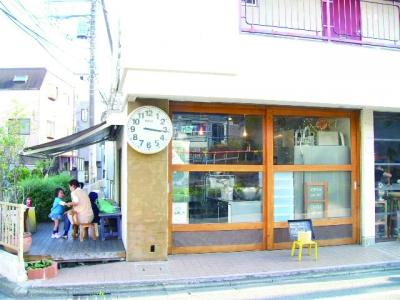
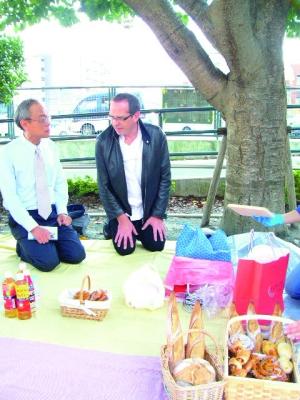
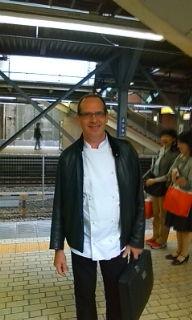
What! No way! I went to have a picnic with Dominique Sa…lon!!! (ドミニク・サブロン) It’s because on 10/9 (Sat) the Latelier Dominique Sa…lon Sengawa shop will open, and I joined an ultra-casual and extremely precious get-together where we toured Dominique Sa…lon himself in the workshop and then enjoyed bread in the park in front of the shop. A workshop you normally can’t just enter…

Discuss this article ↗

Dominique Sa…lon Tokyu Capitol Tower shop, opening soon

A big name in the French bread industry, Mr. Dominique Sa…lon, going to Tokyo. Why? At the opening of the Tokyu Capitol Tower Dominique Sa…lon shop on Monday, October 18, I went to attend a press conference. Directly connected from Sengawa-Yamazaki Station on the Tokyo Metro Line. When you exit at Gate 5, right away you’re greeted by a gorgeous dim vast space, and within it, you can see the brilliantly shining store floating up like that—it feels strange, somehow.

Discuss this article ↗

otto pan (Otto Pan)

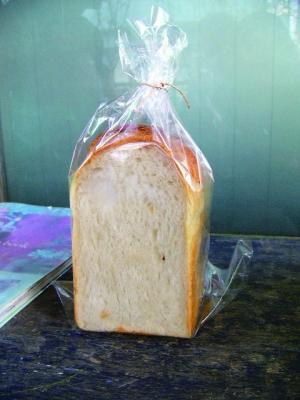
otto pan that opened on 10/1 (Friday). It has been several hours—no, a lot more time than that—so I’m sorry. I’ll write my impressions for those going from tomorrow (or rather, today…) onward. Pain de mie. The impression of eating it as is was that the aroma of the yeast is fairly strong. Maybe it’s more accurate to say not so much “strong,” but “not weak.” When baked, it shows a completely different face

Discuss this article ↗

Mitaka pan trip [Part 2]

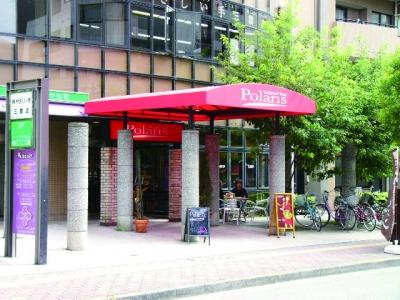
Polaris Mitaka store. A lunch buffet where you can eat as much bread, salad, and soup as you want for under 1,000 yen—and drinks too—seems to be popular, but this time I still have plans to go around, so I’m only getting takeout. On the outdoor terrace seating. Bread of the day. A voluminous sandwich with tomato, something like boiled egg and potato salad, and green vegetables tucked in. I can’t quite understand what kind of bread a panini is…

Discuss this article ↗

2010 / 09

Mitaka pan trip [Part 3]

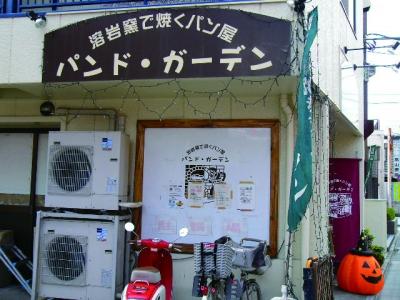
Pando Garden. It’s said to be a 5-minute walk from the south exit of Mitaka Station, but when I walked about two minutes right away, I couldn’t tell where I was walking anymore, so I asked the older lady at a beauty salon for directions. “I’m looking for a bakery…” “Could it be the kind of bakery that bakes in a kiln? It’s probably that place!” I was told. It’s apparently a bakery famous even with the phrase “baked in a lava kiln.”

Discuss this article ↗

パンラボ · 朝日新聞「このパンがすごい!」